Modern urban logistics require a calibrated approach to mass movement during high-profile events. Consequently, the Pakistan Cricket Board (PCB) has engineered a strategic PSL 11 traffic plan for the Qualifier 1 at the National Stadium, Karachi. This operational baseline aims to balance the high-stakes clash between Peshawar Zalmi and Islamabad United with the daily structural flow of the city.
The Translation: Decrypting the Logistic Framework
To optimize stadium access, authorities have prioritized systemic efficiency over individual vehicle reliance. Specifically, fans are encouraged to utilize a network of special transport services designed to reduce the urban carbon footprint. The transport grid includes the following primary conduits:
- Red Bus (R3): Connecting Liaquatabad and Shahrah-e-Faisal directly to the stadium gates.
- Electric Bus (EV-3): Providing a sustainable link between Numaish and Safoora.
- D-1, D-11, and 7-Star Coaches: Servicing the Malir and Liaquatabad corridors.
- Bus Routes 51 and 55: Strategic transit between Malir and Numaish.
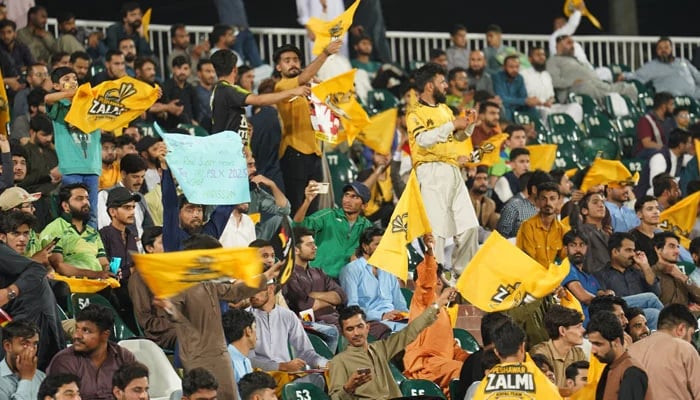
Furthermore, spectators arriving via private vehicles must adhere to specific parking protocols. Designated zones at the National Coaching Centre and China Ground have been activated. Access to these zones requires precision movement from Karsaz Road or the Stadium Road flyover, depending on the point of origin.
Socio-Economic Impact: Urban Mobility and Resource Management
This logistical pivot significantly impacts the daily life of the Karachi citizen. By integrating electric buses (EV-3) into the matchday PSL 11 traffic plan, the government is successfully testing the scalability of green transit. For the average professional or student, these measures mitigate the standard congestion associated with large-scale sporting events. Moreover, the emphasis on public transport acts as a catalyst for reduced national fuel consumption, preserving vital economic resources during a period of high demand.

The Forward Path: A Momentum Shift in Civic Planning
In our expert view, the current PSL 11 traffic plan represents a definitive Momentum Shift for Pakistan’s urban management. Instead of reactive road closures, we are witnessing a proactive integration of mass transit and digital route advisory. This precision-driven model sets a new baseline for future international events in Pakistan. While the enforcement of heavy traffic bans on routes like Sohrab Goth to NIPA may cause temporary friction, the long-term benefit of a structured, data-informed traffic grid is undeniable for national advancement.