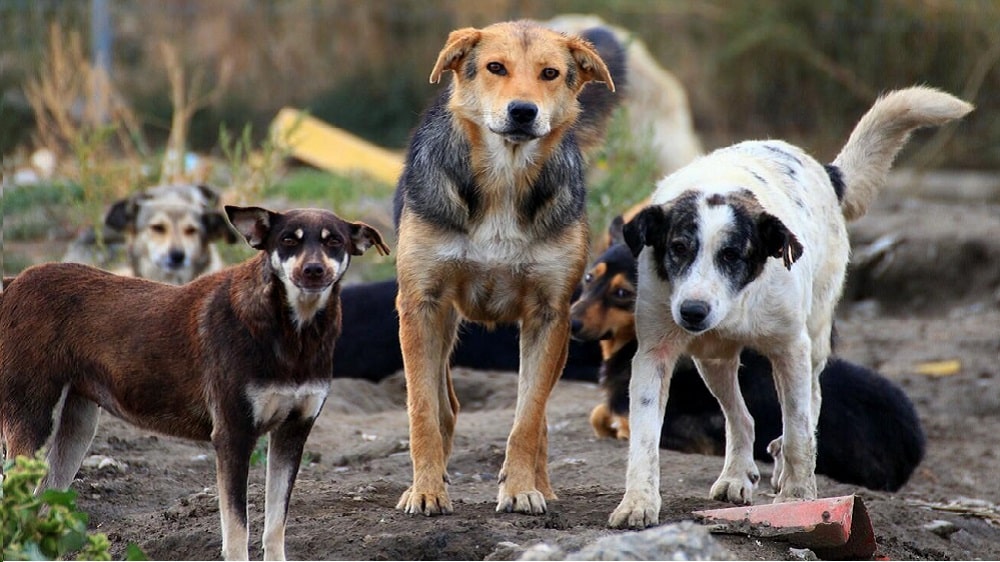
The Punjab Government has launched a calibrated regulatory framework for animal management by making Punjab dog registration mandatory across all urban and rural districts. This structural shift aims to improve public safety and synchronize provincial health standards. Consequently, citizens keeping dogs at homes, farms, or within neighborhoods must now submit detailed information through an official registration portal. The primary objective involves creating a precision database of the domestic canine population to mitigate risks and ensure accountability.
Navigating the Punjab Dog Registration Process
Owners must provide specific data points, including personal identification, the dog’s breed, and physical characteristics. Furthermore, the authorities have mandated compulsory vaccinations for all pet dogs. Specifically, citizens must secure these vaccinations through relevant livestock departments to maintain compliance with established health protocols. This systematic approach ensures that every domestic animal meets a baseline safety standard, effectively reducing the threat of zoonotic diseases.
The Roaming Ban and Public Safety
In addition to registration, the government has imposed a strict ban on allowing dogs to roam freely in public spaces. Owners must restrain their animals at all times to prevent potential risks to children and pedestrians. Officials have warned that legal action will follow any violation of these rules. Therefore, pet owners should prioritize these safety measures to avoid structural penalties and contribute to a more secure urban environment.
The Translation: Contextualizing Modern Governance
This policy represents a transition from informal pet ownership to a documented, state-regulated system. By requiring Punjab dog registration, the government is not merely counting animals; it is establishing a liability framework. The move reflects a global standard where data-driven management replaces reactive measures. Essentially, the “logic” here is to create a traceable link between the pet and the owner, ensuring that public health crises like rabies can be managed with precision rather than guesswork.
The Socio-Economic Impact: Protecting the Citizenry
For the average Pakistani citizen, these rules translate into a significant reduction in public safety anxiety. Urban neighborhoods, which often face challenges with stray and unrestrained animals, will see a decrease in bite incidents and rabies transmission. Economically, this reduces the burden on public healthcare systems that manage animal-related injuries. For households, these regulations foster a culture of responsibility, ensuring that pet ownership does not come at the expense of community peace or child safety.
The Forward Path: A Strategic Momentum Shift
This development represents a clear Momentum Shift in Punjab’s administrative evolution. Moving beyond traditional “culling” methods to a registration-and-vaccination model indicates a shift toward humane, sustainable urban management. While the enforcement phase will require rigorous monitoring, the baseline established here is a catalyst for modernizing provincial livestock and safety laws. It is a necessary step toward building a safer, more organized Pakistan.