
The recent Pakistan petrol price surge represents a calculated fiscal maneuver to stabilize the national economy under international pressure. Specifically, the government increased petrol and diesel prices by Rs. 26.77 per litre to calibrate revenue collection with International Monetary Fund (IMF) benchmarks. Consequently, this adjustment moves the petrol price to Rs. 393.35 and high-speed diesel to Rs. 380.19, effective for the current billing cycle.
Analyzing the Pakistan Petrol Price Surge: A Systematic Breakdown
While global market indicators suggested a potential decline in energy costs, domestic policy shifted toward aggressive revenue generation. Specifically, the government raised the petroleum levy on petrol from Rs. 80 to Rs. 107.38 per litre. This strategic move ensures the state captures necessary capital despite the volatility of international oil markets and regional geopolitical tensions.
The Fiscal Architecture of Fuel Taxation
Total taxation on petroleum products has now reached unprecedented levels to sustain the national treasury. Currently, petrol carries approximately Rs. 135 per litre in various duties, while diesel taxes stand at roughly Rs. 65 per litre. These figures include the petroleum levy, customs duty, and essential climate support charges, creating a rigid baseline for future pricing models.
- Petroleum Levy: Increased to Rs. 107.38 per litre.
- IMF Funding: Tied to a $1.2 billion executive board approval.
- Regional Context: Geopolitical instability remains a primary catalyst for global price fluctuations.
The Situation Room: Strategic Analysis
The Translation (Clear Context)
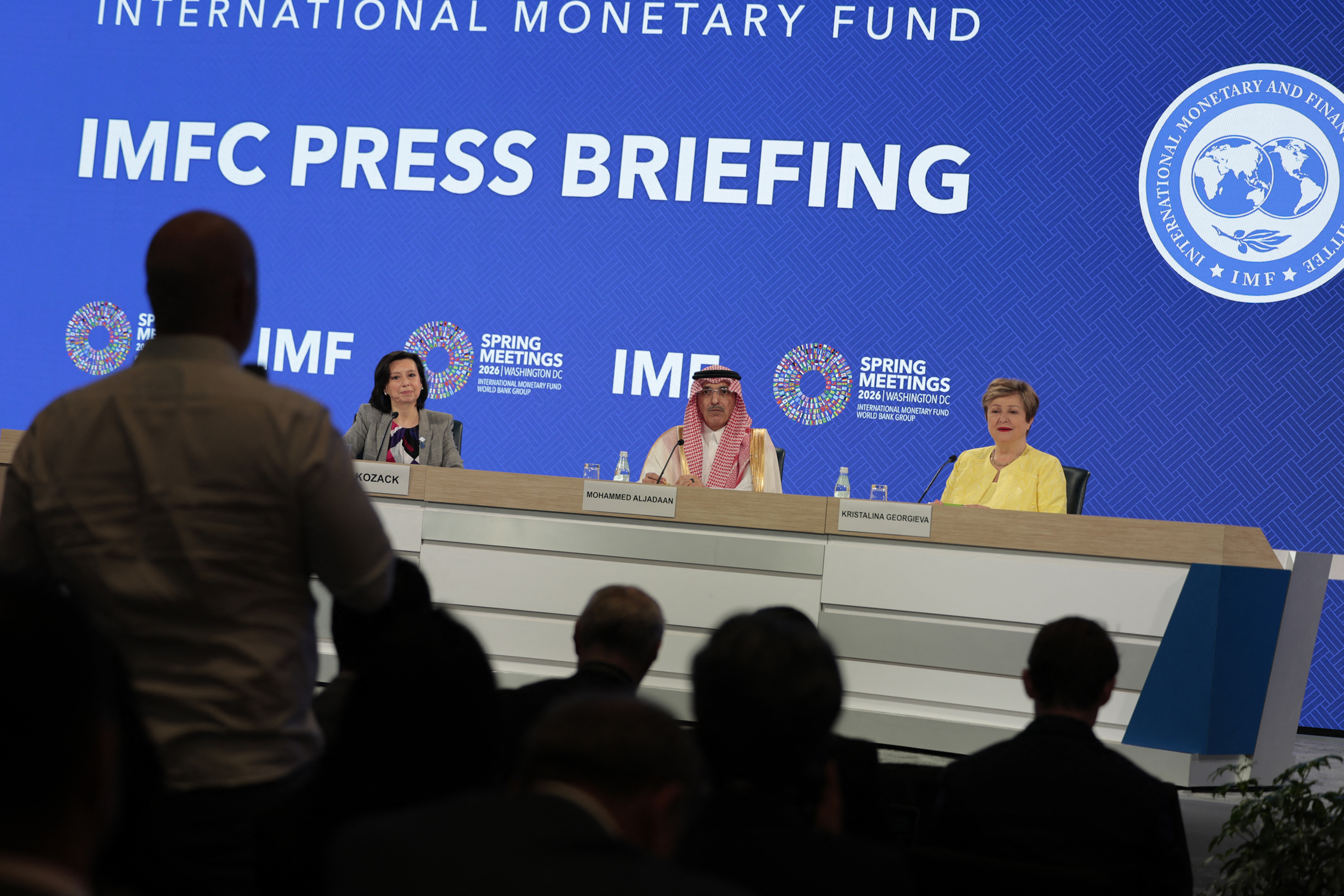
The logic behind this pricing pivot is purely structural rather than market-driven. Although international prices cooled, the government prioritized meeting “fiscal space” requirements mandated by the IMF. Essentially, the state is utilizing fuel as a primary revenue extraction tool to guarantee the influx of over $1.2 billion in external funding. This creates a predictable, albeit high, baseline for national accounting.
The Socio-Economic Impact
For the average Pakistani citizen, this surge functions as an indirect tax on mobility and essential goods. Higher diesel costs inevitably inflate the logistical expenses of transporting food and consumer products, leading to secondary inflationary pressures. Professionals and students in urban centers will face immediate increases in commuting costs, while rural households may see a rise in the operational costs of agricultural machinery.
The “Forward Path” (Opinion)
This development represents a Stabilization Move. While painful for the public, it reinforces the government’s commitment to fiscal discipline required for international solvency. However, the lack of a “buffer” for citizens indicates that Pakistan’s energy policy remains reactive. To achieve a true momentum shift, the state must decouple revenue generation from basic energy needs through structural tax reforms elsewhere.








