
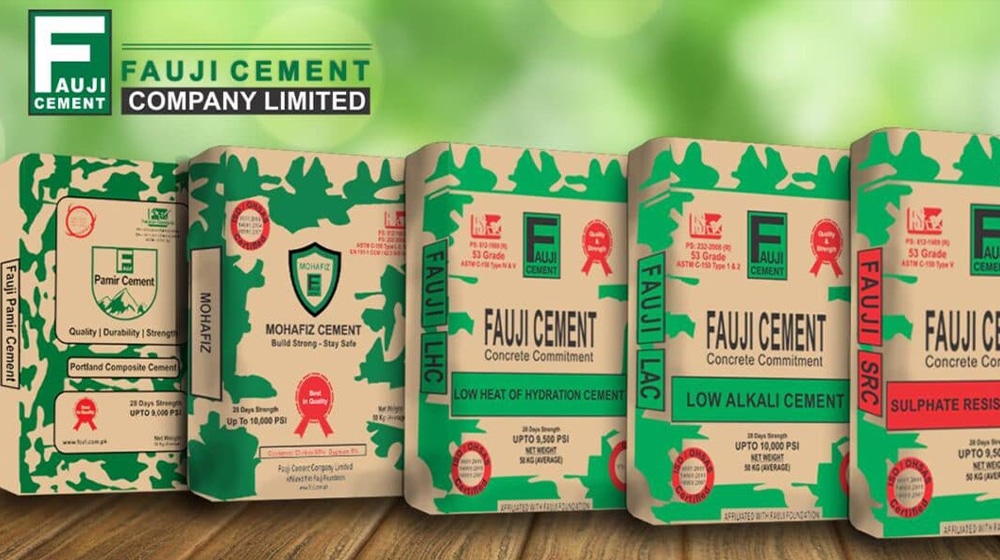
Infrastructure development serves as the critical skeletal framework for national progress. Consequently, the latest data showing Fauji Cement profit growth confirms a calibrated expansion of Pakistan’s industrial foundation. Fauji Cement Company Limited (FCCL) reported a profit of Rs. 10.8 billion for the first nine months of the fiscal year 2026. This achievement represents a 15 percent year-on-year increase compared to the Rs. 9.4 billion recorded during the same period last year. While the company faced a temporary quarterly dip, the overall trajectory signals a robust system efficiency.
Analyzing the Structural Drivers of Fauji Cement Profit Growth
The financial architecture of FCCL remains resilient despite broader economic fluctuations. During 9MFY26, net sales ascended to Rs. 69.8 billion, marking a 4 percent increase. Furthermore, this growth stems primarily from a 9 percent surge in dispatches. Although retention prices declined by 6 percent, the company maintained a stable gross margin of 34 percent. This stability indicates a high degree of precision in cost management and supply chain logistics. Consequently, the company has effectively neutralized price volatility through volume-based performance.
Strategic Deleveraging and Financial Optimization
A significant catalyst for this fiscal success is the aggressive reduction of corporate debt. FCCL successfully lowered its total debt to Rs. 30 billion, down from Rs. 40.8 billion in the previous year. Simultaneously, finance costs plummeted by 56 percent to Rs. 1.7 billion, largely due to a more favorable interest rate environment. This strategic deleveraging has fortified the balance sheet, creating a baseline for future reinvestment. High cash balances further contributed Rs. 1.5 billion in finance income, showcasing a sophisticated approach to liquidity management.

The Translation (Clear Context)
While a 14 percent quarterly drop might seem alarming, the underlying logic is simple. Quarterly fluctuations often reflect seasonal construction cycles rather than fundamental weakness. The real story lies in the 62 percent year-on-year jump for the third quarter. FCCL is successfully trading higher volumes for lower prices. By doing so, they are capturing a larger market share while simultaneously slashing their interest payments. Essentially, the company is becoming leaner and more agile, making it less vulnerable to economic shocks.
The Socio-Economic Impact
For the average Pakistani citizen, these metrics translate into a more stable construction sector. Increased dispatches suggest that national development projects and private housing are moving forward. Furthermore, the 56 percent drop in finance costs for a major industrial player like FCCL reflects a cooling inflationary environment. This allows for potential stabilization in cement prices for households. Stronger corporate profits also mean higher tax contributions and job security for the thousands employed across the cement value chain.
The Forward Path (Opinion)
This development represents a clear Momentum Shift for the industrial sector. The aggressive reduction of Rs. 10 billion in debt is not merely a maintenance move; it is a strategic repositioning. As interest rates continue to stabilize, FCCL is positioned to act as a primary catalyst for urban expansion. With a target stock price of Rs. 72, the market is beginning to price in this newfound operational efficiency. We expect this trajectory to provide the necessary structural support for Pakistan’s next phase of infrastructure growth.








