The Strategic Shift in El Niño Temperatures
The World Meteorological Organization (WMO) recently identified a calibrated shift toward a strong climate phase, forecasting that rising El Niño temperatures will likely dominate global weather by mid-year. Consequently, the agency expects this transition to occur between May and July, moving away from the neutral conditions observed earlier this year. Furthermore, early atmospheric indicators suggest this specific event could develop with significant intensity, potentially challenging previous thermal records.
Analyzing the Pacific Thermal Catalyst
El Niño represents a naturally occurring climate phenomenon that fundamentally warms sea surface temperatures in the central and eastern equatorial Pacific. This oceanic warming acts as a catalyst for global weather disruptions, altering rainfall distribution and atmospheric pressure across continents. Specifically, the cycle alternates with La Niña, having previously contributed to 2024 setting a new historical peak for global heat.

WMO climate prediction chief Wilfran Moufouma Okia notes that forecast precision will improve after April. Currently, sea surface temperatures in the equatorial Pacific are rising rapidly. While the WMO clarifies that climate change does not necessarily increase the frequency of these cycles, it certainly amplifies their impact, making extreme heatwaves more probable.
The Translation: Breaking Down the Data
In “Next Gen” terms, El Niño acts as a global thermal regulator that has been flipped to its maximum setting. The rapid warming of the Pacific Ocean disrupts the “jet stream,” which functions like an atmospheric conveyor belt. When this belt shifts, it prevents cooler air from circulating, trapping heat over landmasses. This is not merely a “warm summer”; it is a systemic surge in the planet’s baseline energy levels.
The Socio-Economic Impact: Pakistan’s Reality
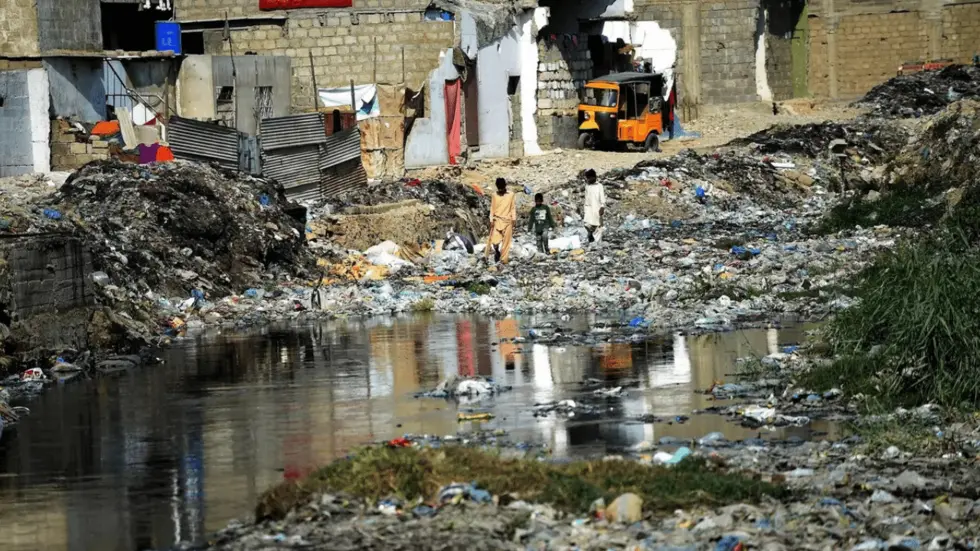
For the average Pakistani citizen, rising El Niño temperatures translate directly into increased pressure on the national energy grid and food security. Urban professionals in cities like Karachi and Lahore will face higher cooling costs and potential grid instability. Simultaneously, the agricultural sector in rural Punjab and Sindh must brace for volatile rainfall patterns, which can either lead to sudden droughts or precision-threatening floods, impacting crop yields and household inflation.
The Forward Path: Momentum Shift
This development represents a clear Momentum Shift in our environmental trajectory. We are moving from a period of relative stabilization into a phase of high-intensity climate stress. For Pakistan, this is a call for architectural precision in urban planning and water management. We must treat these forecasts as a baseline for national resilience rather than a seasonal variable. The transition is inevitable; our strategic response must be equally decisive.