
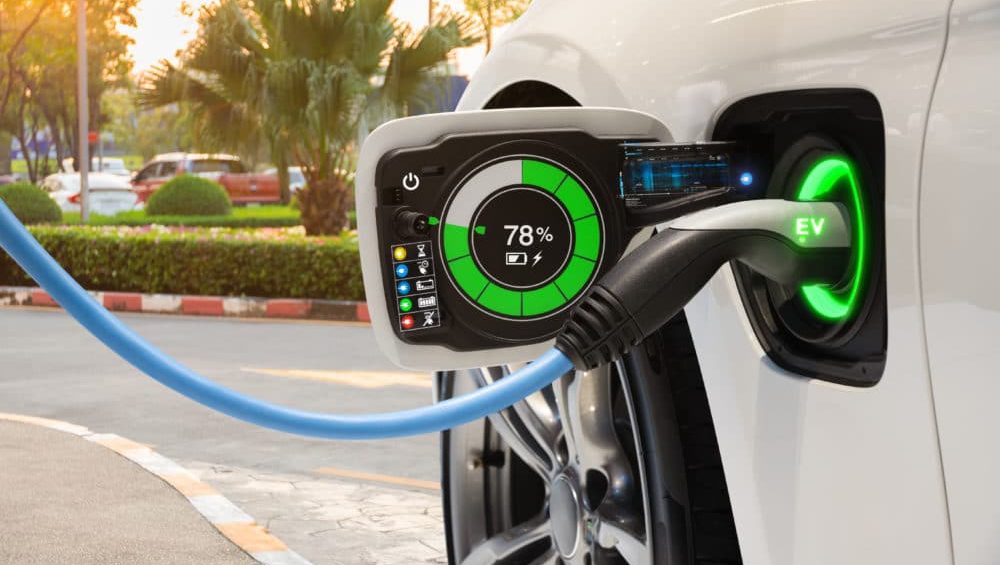
Prime Minister Shehbaz Sharif has officially mandated the acceleration of local battery production to catalyze Pakistan’s transition toward a sustainable energy ecosystem. Consequently, this strategic directive aims to fortify the nation’s electric vehicle (EV) infrastructure while optimizing surplus solar energy storage. The government is now prioritizing high-quality manufacturing to reduce import dependency and secure long-term energy stability.
Revolutionizing the Transport Infrastructure
The Prime Minister recently chaired a high-level meeting focused on energy security and systemic efficiency. He emphasized that shifting the national transport grid to environmentally friendly electric energy is no longer optional; it is a calibrated necessity for future planning. Therefore, he directed authorities to speed up the development of EV charging stations across the country to ensure wider public adoption.
Furthermore, the administration has signaled a definitive policy shift by restricting future government procurement. All upcoming state transport acquisitions will focus exclusively on electric buses and motorcycles. This bold move serves as a catalyst for the private sector to align with the national electrification vision.
Strategic Energy Storage and Grid Integration
A critical component of this roadmap involves the creation of a robust policy framework for battery storage. Currently, officials are preparing two pilot projects for grid-level storage to stabilize the power system. These solutions will specifically target the storage of excess electricity generated by solar power plants, ensuring that renewable energy is not wasted.
To support this, the Prime Minister urged the domestic industry to initiate local battery production for both EVs and stationary storage. By creating a domestic energy ecosystem, Pakistan intends to mitigate the high costs of imported technology while fostering technological innovation within its borders.
The Situation Room Analysis
The Translation
In technical terms, the government is moving from a “passive consumption” model to an “integrated storage” model. Instead of relying on a fragile grid that cannot handle the intermittent nature of solar and wind, Pakistan is building a “buffer” through localized battery manufacturing. This reduces “line losses” and ensures that energy produced during the day is available during peak night hours.
The Socio-Economic Impact
For the average citizen, this development promises a reduction in urban air pollution and lower long-term transport costs. As local battery production scales, the cost of electric motorcycles and solar storage systems will likely decrease, making green technology accessible to middle-class households. Additionally, this shift creates a new industrial baseline, generating technical jobs for STEM graduates in the manufacturing sector.
The Forward Path
This development represents a Momentum Shift. By mandating electric procurement for government fleets, the state is creating immediate demand, which is the most effective way to stimulate a nascent market. If the pilot grid-storage projects succeed, it will provide the structural stability needed to finally resolve the circular debt issues plaguing Pakistan’s energy sector.








