
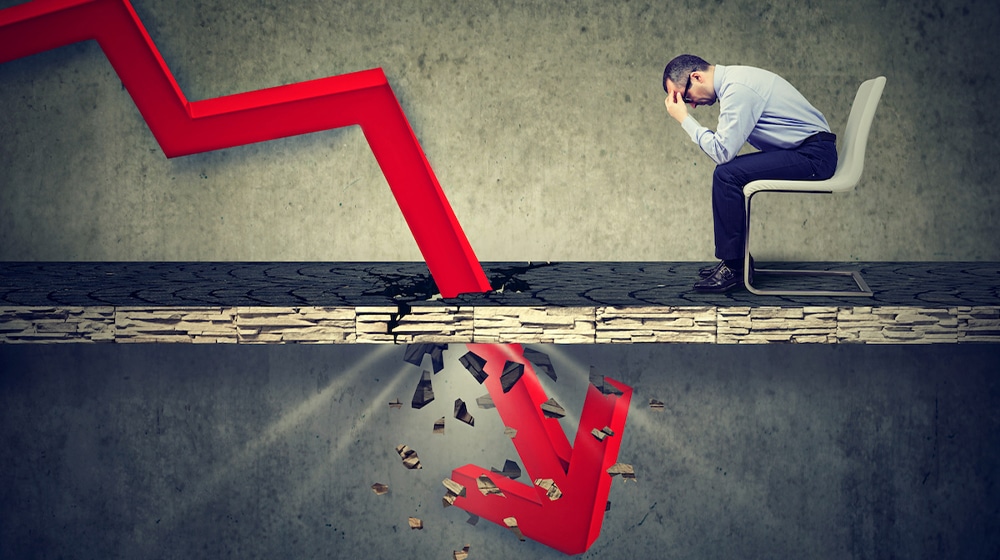
Global volatility serves as a structural stress test for any emerging economy’s resilience. Consequently, the latest Pakistan business sentiment metrics from Gallup Pakistan reveal a calibrated decline as four-in-five enterprises face cascading cost pressures. The Q1 2026 baseline indicates that rising energy expenses and regional instability have pushed private sector confidence into negative territory, with only 41 percent of firms reporting favorable current conditions.
The Translation: Decoding Middle East Friction
In strategic terms, the 81 percent of businesses reporting negative impacts are witnessing “Imported Inflation.” Because Pakistan relies heavily on international energy corridors, tensions in the Middle East act as a direct catalyst for domestic price hikes. The data shows that 73 percent of firms experienced an overall rise in operational costs, specifically driven by fuel and petrol price fluctuations.
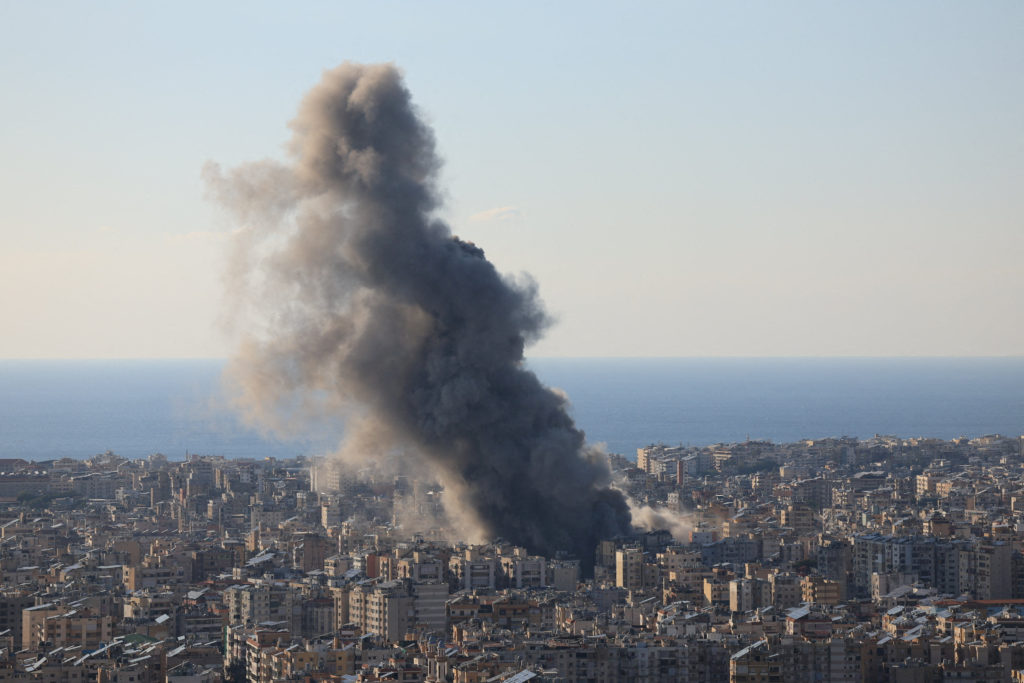
Furthermore, the survey highlights a significant “expectation gap.” While some firms maintain a baseline of optimism, 57 percent of the private sector anticipates further deterioration. This shift in Pakistan business sentiment is not merely psychological; it is rooted in the precision of rising input costs, which 62 percent of businesses identified as their primary hurdle.
The Socio-Economic Impact: Pressure on the Citizenry
For the average Pakistani citizen, these corporate metrics translate into household hardship. When 76 percent of businesses expect conditions to worsen, the immediate result is a freeze on hiring and a reduction in wage growth. Operational uncertainty is further exacerbated by energy reliability issues, as 57 percent of companies reported active load shedding during the survey period.

Key pressure points for the public include:
- Supply Chain Friction: Higher logistics costs lead to immediate spikes in the price of essential commodities and food items.
- Employment Stagnation: Negative sentiment discourages the capital investment necessary for large-scale job creation.
- Energy Insecurity: Increased reliance on expensive fuel backups further drains the disposable income of small business owners and families.

The Forward Path: A Stabilization Move
The current trajectory for Pakistan business sentiment represents a critical Stabilization Move rather than a momentum shift toward growth. To counter these external shocks, the state must prioritize energy transition strategies to decouple the local economy from Middle East volatility. The private sector is currently in “Survival Mode,” and without a strategic pivot toward renewable alternatives, the operational baseline will remain vulnerable to geopolitical tremors.
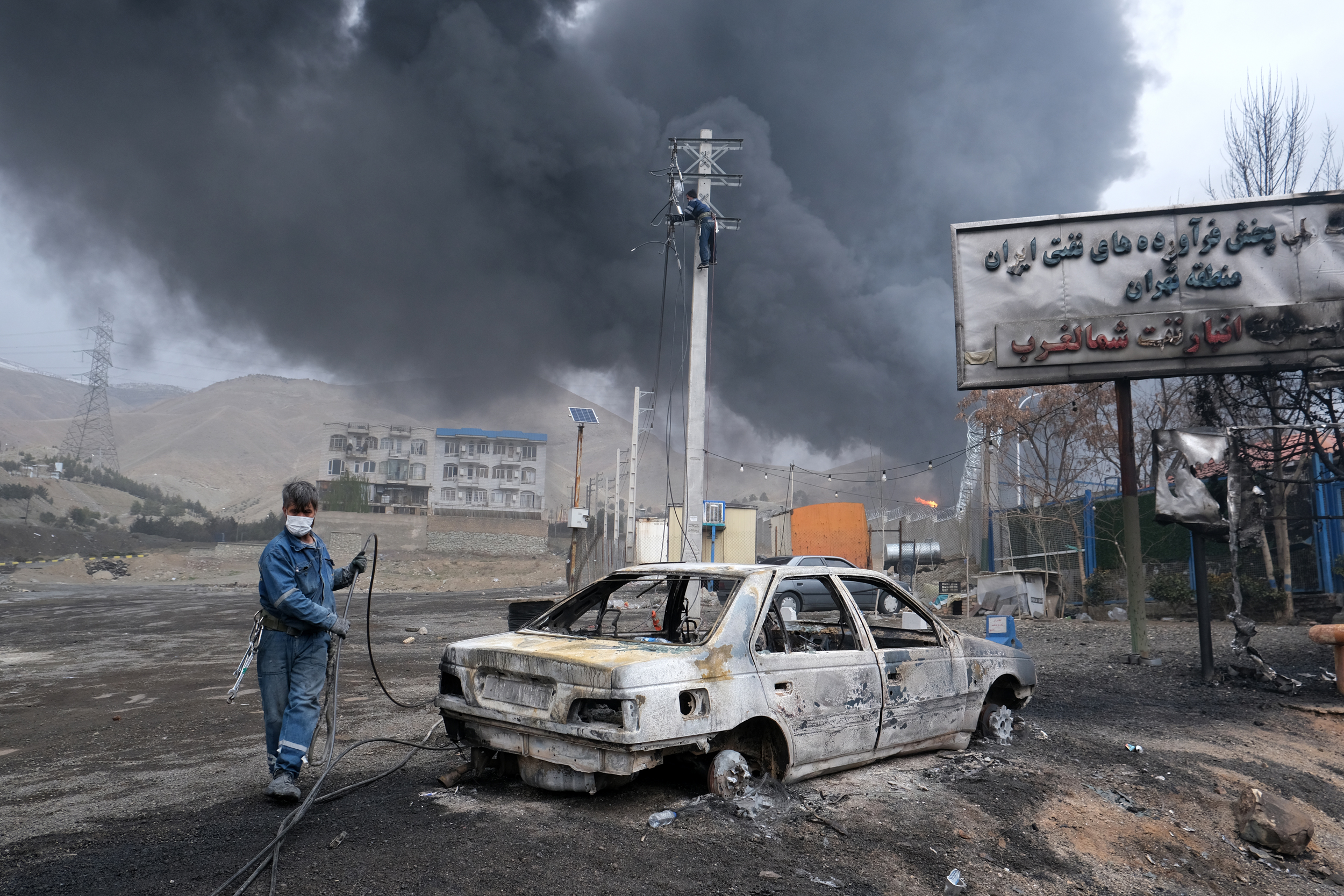
Ultimately, the decline across all major indicators signals that precision-led policy interventions are required. Maintaining the status quo is no longer a viable defensive strategy for Pakistan’s economic architecture.








