

Strategic stability in the Middle East hinges on fluid maritime corridors. Iran’s recent announcement regarding the Strait of Hormuz acts as a critical catalyst for global energy security and regional de-escalation. Iranian authorities have officially reopened this maritime corridor for commercial vessels, aligning with the ongoing ceasefire arrangement established between Lebanon and Israel. This development ensures that merchant shipping can operate on coordinated routes previously communicated by the national Ports and Maritime Organization.
The Strategic Mechanics of the Restoration
The restoration of traffic through the Strait of Hormuz is a calibrated move to reduce systemic friction within global shipping lanes. Foreign Minister Seyed Abbas Araghchi confirmed that the passage is completely open for the remaining duration of the ceasefire. Consequently, commercial navigation will continue under regulated conditions, signaling a temporary easing of restrictions on one of the most strategically sensitive waterways in the world. Furthermore, the Ports and Maritime Organization will oversee these coordinated routes to ensure structural safety and compliance.
The Translation: Breaking Down the Maritime Policy
In “Next Gen” clarity, this is not a permanent return to normalcy but a conditional “systemic pause.” By linking the reopening to the Lebanon-Israel ceasefire, Iran is utilizing its control over the Strait of Hormuz as a diplomatic lever. The mention of “coordinated routes” implies that while the waterway is open, Iran maintains administrative oversight. This ensures that only verified commercial traffic enters the corridor, preserving a baseline of security while allowing global trade to resume.
The Socio-Economic Impact for Pakistan
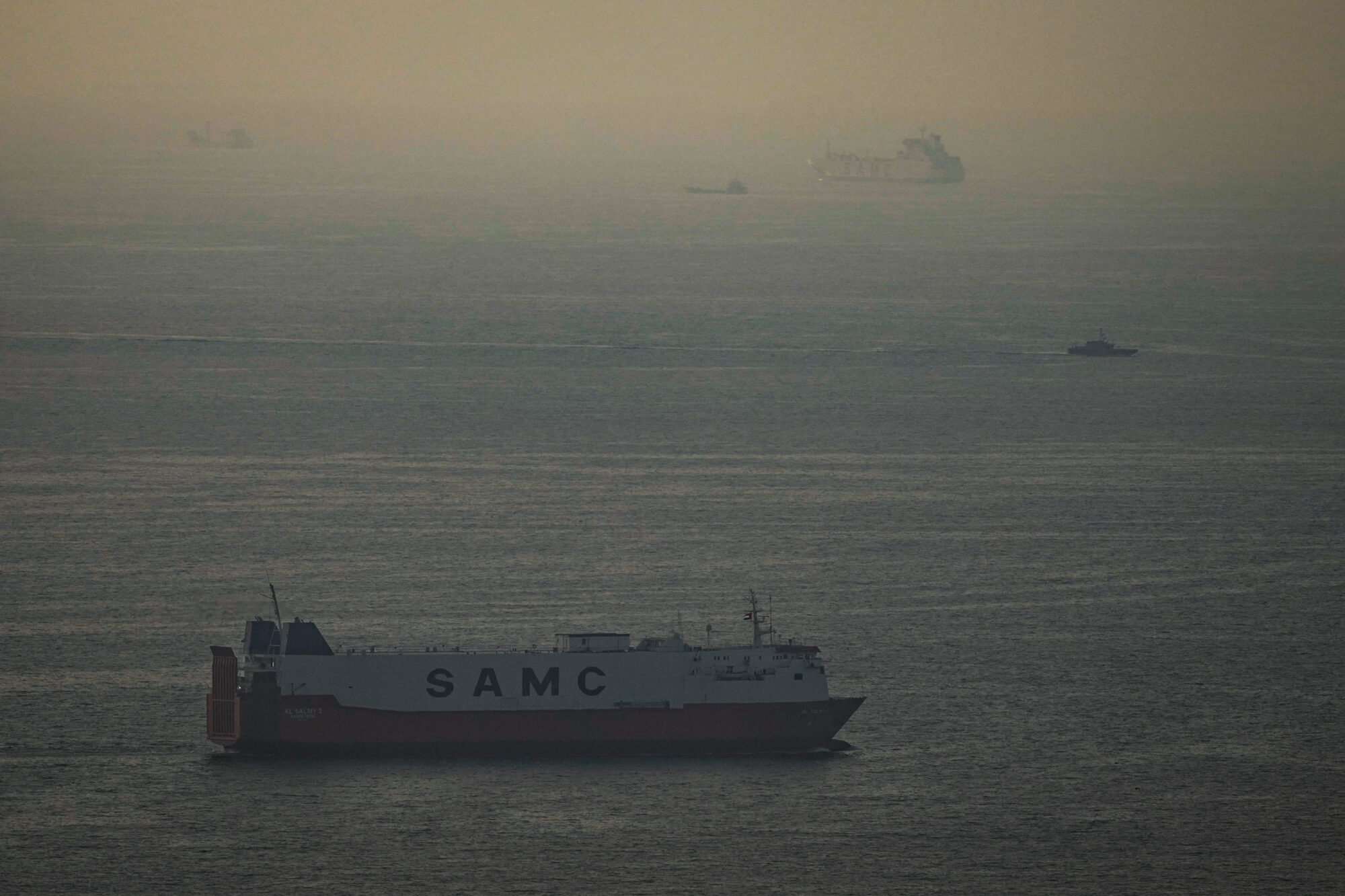
How does this development change the daily life of a Pakistani citizen? The impact is primarily economic and fiscal:
- Energy Pricing: As the Strait of Hormuz handles nearly 20% of the world’s oil, the reopening reduces the “risk premium” on crude oil. This translates to more stable fuel prices at Pakistani petrol pumps.
- Supply Chain Efficiency: Reduced maritime tension lowers insurance costs for shipping companies. Consequently, the cost of imported goods—from electronics to raw materials—may stabilize for local businesses.
- National Logistics: For a country like Pakistan, which relies on regional stability for its own maritime trade, this de-escalation acts as a vital economic cushion against global inflation.
The Forward Path: Innovator’s Perspective
This development represents a Stabilization Move rather than a permanent momentum shift. While the restoration of traffic through the Strait of Hormuz is a positive baseline for global trade, it remains tethered to a fragile ceasefire. For a truly resilient maritime future, Pakistan and its regional partners must advocate for permanent de-escalation protocols that decouple commercial trade from geopolitical conflicts. The precision of this opening shows that the corridor is a tool of policy, and its long-term reliability depends on sustained diplomatic architecture.








