
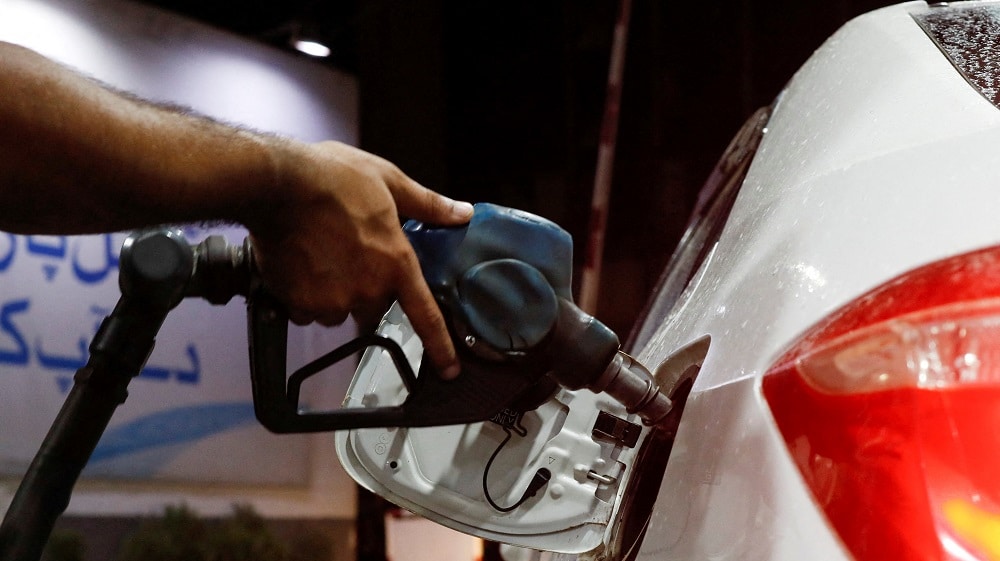
Optimizing Pakistan’s Fuel Pricing Model for Fiscal Stability
Pakistan’s oil industry has strategically rejected a proposed new fuel pricing model, warning that adopting a guaranteed return framework would impose an unsustainable, year-round fuel subsidy burden on the government. This decision underscores a critical structural challenge in national energy policy, potentially impacting fiscal stability and the future of refinery operations, particularly concerning the proposed new fuel pricing model. Furthermore, industry leaders emphasize that the current international benchmark system is a robust, globally-tested framework, essential for calibrated market alignment and avoiding the reintroduction of an open-ended subsidy regime, a practice consistently discouraged by the International Monetary Fund.
The Translation: Deconstructing Refinery Economics
The core of this debate centers on a nuanced understanding of refinery economics. Industry officials clarify that the existing pricing mechanism, directly linked to international benchmarks, ensures alignment with global market dynamics. Conversely, a guaranteed return model would effectively obligate the government to provide fuel subsidies throughout the year. This shift would fundamentally alter the current system, transitioning from market-based pricing to an interventionist framework with significant fiscal implications.
Listed refineries in Pakistan have experienced substantial collective losses, exceeding Rs. 100 billion in recent years. Their returns on investment remain notably low, despite the sector’s strategic national importance. Industry players argue that refinery margins are inherently cyclical and frequently constrained structurally. Therefore, evaluating profitability based on a single month’s gains presents a misleading perspective. Stronger margins typically emerge only during extraordinary geopolitical events, and these do not accurately represent long-term economic baselines.
Moreover, several major product streams, including furnace oil, gasoline, and bitumen, often trade below crude parity. This systematically erodes margins, even when other products like high-speed diesel demonstrate temporary strength. Assessing refinery economics solely on benchmark crude prices is equally misleading. The actual landed cost integrates various components such as freight, premiums, insurance, duties, and financing. These costs have surged significantly in the current global environment, sharply increasing working capital requirements and further compressing operational margins.
Industry stakeholders further maintain that if concerns target “windfall gains,” the primary beneficiaries are upstream exploration and production companies. Many of these entities are government-owned, selling oil and gas at internationally benchmarked prices. Consequently, these operations directly boost state revenues and tax collection for the Federal Board of Revenue. In distinct contrast, refineries continue to operate on thin, often negative, margins with limited upside capture.
The Socio-Economic Impact: Fueling Daily Life and National Growth
This policy discourse directly impacts the daily lives of Pakistani citizens, from urban professionals commuting to work to rural households relying on essential goods transport. A shift to a guaranteed return model implies a year-round fuel subsidy, which, while seemingly beneficial, could lead to severe fiscal instability. This instability could, in turn, reduce government capacity to invest in critical public services like education, healthcare, and infrastructure development. Consequently, students might face reduced educational opportunities, and professionals could experience fewer employment prospects due to a constrained national budget.
Furthermore, an unsustainable subsidy burden could trigger inflation, eroding the purchasing power of households across Pakistan. This would disproportionately affect lower and middle-income families, making essential commodities more expensive. The strategic importance of stable energy pricing cannot be overstated for national economic growth. Disruptions in the fuel pricing model directly translate to volatility in transport costs, agricultural inputs, and industrial production, thus impacting the overall cost of living and business viability.
The Forward Path: A Stabilization Move for Long-Term Resilience
This development represents a Stabilization Move rather than a sudden Momentum Shift. The industry’s rejection of the proposed fuel pricing model highlights a pragmatic approach to avert a predictable fiscal crisis. It is a calibrated effort to reinforce the existing, internationally validated pricing structure. Selective policy intervention during periods of temporary margin improvement, while expecting market-based pricing during weak cycles, inherently distorts incentives and damages investor confidence in a capital-intensive sector like oil and gas. Therefore, maintaining a consistent, market-aligned framework is crucial for attracting sustained investment and ensuring long-term energy security for Pakistan.








