A significant scientific breakthrough has materialized as Chinese researchers successfully engineer Glow in the Dark Plants by integrating light-producing genes from fireflies and luminous fungi. This calibrated gene-editing technology enables plants to emit a soft, natural glow without external power, thereby establishing a new baseline for sustainable illumination. Consequently, this innovation possesses the structural potential to redefine urban planning, tourism, and eco-conscious city frameworks, paving a forward path for Pakistan’s infrastructure development.
The Translation: Unpacking the Engineering of Glow in the Dark Plants
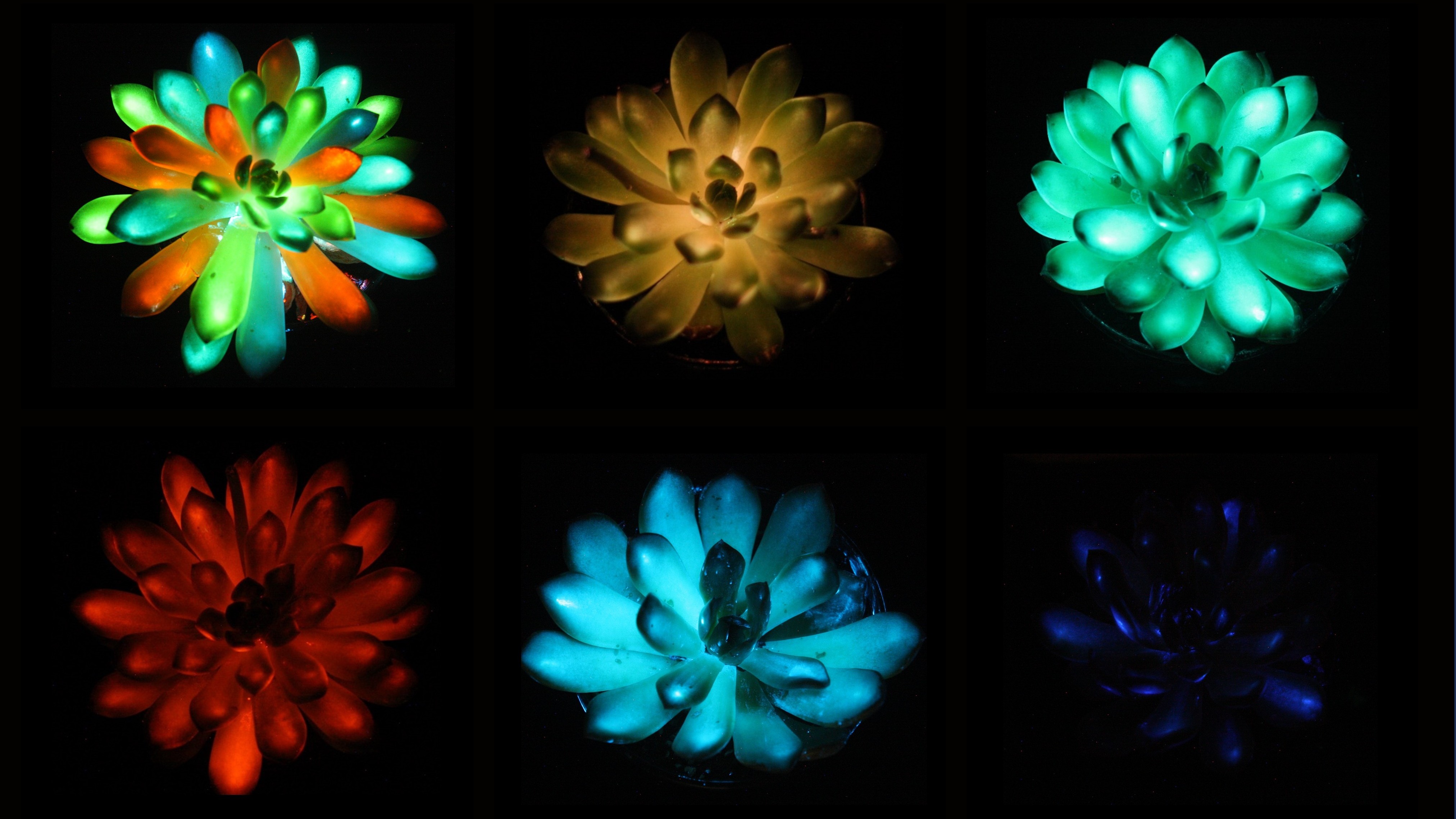
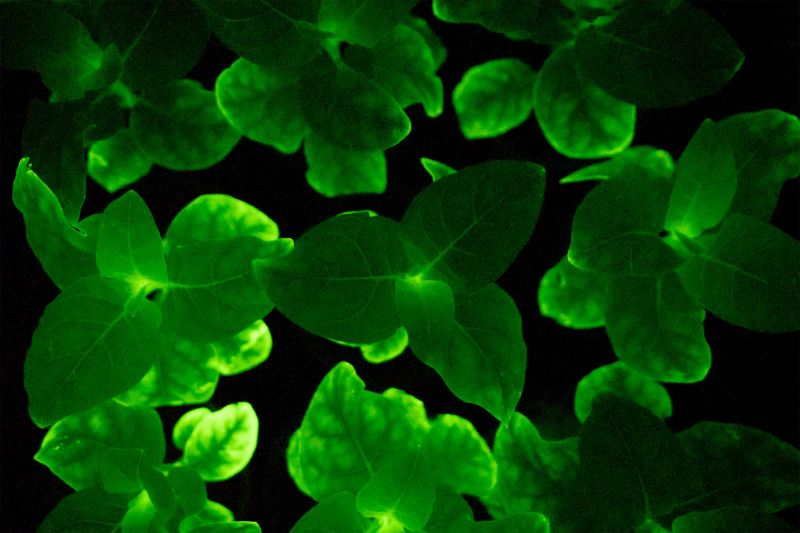
This scientific advancement involves the precise transfer of specific genetic sequences responsible for bioluminescence into plant cells. Dr. Li Renhan, founder of Magicpen Bio and a China Agricultural University alumnus, spearheaded this initiative. Inspired by the natural spectacle of fireflies, his team strategically explored replicating this bioluminescence within botanical structures. To illustrate, they have successfully modified over 20 plant species, including orchids and sunflowers, to visibly radiate light after dark. This process represents a highly efficient, biological alternative to traditional lighting systems, fundamentally shifting our energy consumption paradigms.
The Socio-Economic Impact: Illuminating Pakistan’s Future
For Pakistani citizens, this technology signifies a tangible leap towards enhanced public spaces and reduced energy costs. Imagine Karachi’s parks or Lahore’s gardens naturally illuminated, offering safer environments for evening strolls without contributing to the energy grid’s load. For students, particularly those in STEM fields, this showcases the direct application of biotechnology in daily life, potentially inspiring future innovations in sustainable infrastructure. In rural Pakistan, where electricity access remains a challenge, such plants could offer low-cost, ambient lighting solutions for community areas, significantly improving quality of life and fostering a sense of security. Moreover, this could catalyze eco-tourism, drawing visitors to uniquely illuminated natural attractions.
The “Forward Path”: A Momentum Shift for Green Technology
This development undeniably represents a significant Momentum Shift in green technology and bio-engineering. It moves beyond mere conceptualization to practical application, offering a scalable, environmentally benign lighting solution. The strategic integration of firefly genes into plant structures is not merely an aesthetic marvel; it signifies a calibrated approach to energy independence and ecological preservation. Furthermore, the broader scientific applications, such as tracking disease development at the cellular level or creating pest-resistant crops, underscore its profound impact. This innovation positions Pakistan to strategically adopt and adapt such advancements, driving national progress through efficient, nature-inspired solutions.