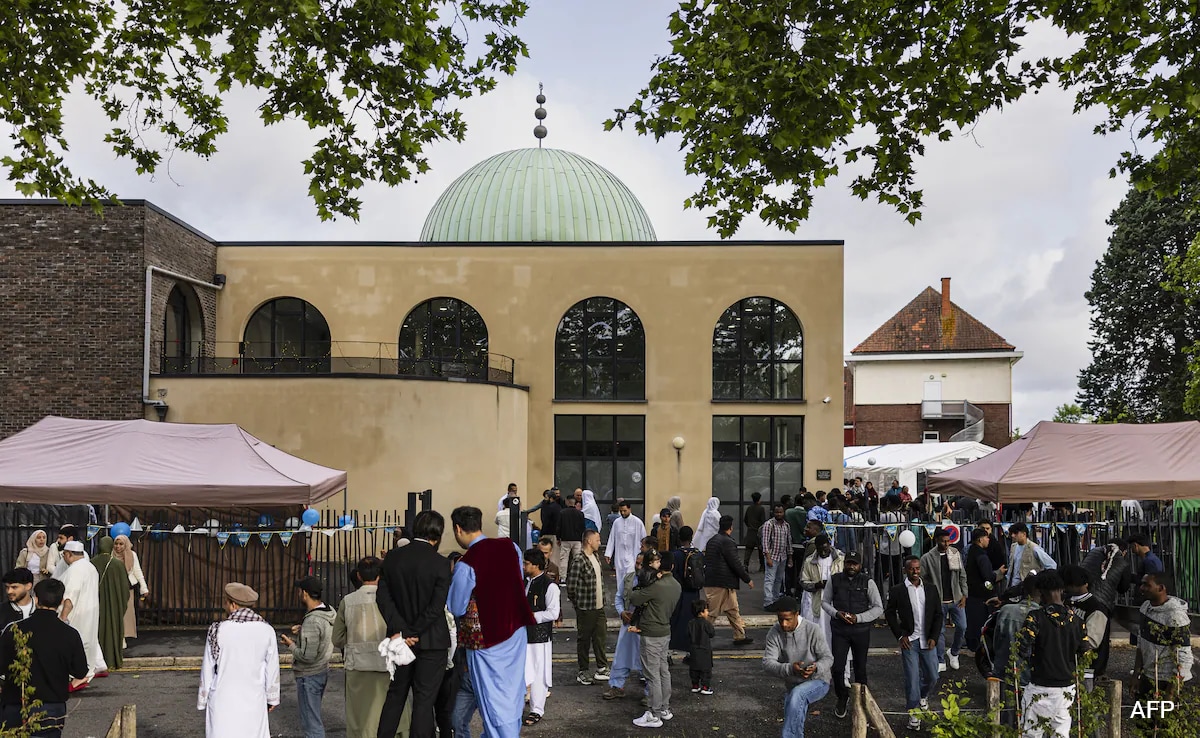
French authorities have strategically implemented a France Muslim gatherings ban for an annual event in Paris, citing escalating security concerns and a volatile geopolitical landscape. This calibrated decision, announced by the Paris police chief at the Interior Minister’s request, underscores the critical need for national stability amidst rising international tensions. Consequently, the 40th annual gathering of Muslims in France, originally scheduled for early April at the Le Bourget Exhibition Center, will not proceed as planned. The organizing body has confirmed receipt of the ban order and intends to challenge it through legal channels, setting a precedent for similar situations.
The Translation: Calibrating National Security Measures
The decision to impose a France Muslim gatherings ban is a direct response to a meticulously assessed security risk. French officials explicitly linked this prohibition to a broader climate of heightened tension, anticipating possible public unrest, increased terrorism threats, and necessitating a robust police deployment across the streets. Furthermore, the ongoing geopolitical conflict involving Iran continues to exert influence, shaping security calculations within France and across multiple nations. This structural enforcement is designed to preemptively mitigate potential vulnerabilities, ensuring public order. The police chief’s directive, originating from the Interior Minister, highlights a top-down, centralized approach to managing perceived threats within the national framework. Consequently, this prevents the gathering from proceeding under current volatile conditions.
The Socio-Economic Impact: Daily Life and Community Dynamics
For Pakistani citizens residing in France, and indeed for the broader Muslim community, this France Muslim gatherings ban carries tangible implications. Firstly, it directly impacts the fundamental right to peaceful assembly and religious expression, potentially fostering feelings of marginalization or distrust within affected communities. Secondly, such prohibitions can inadvertently restrict social cohesion, limiting opportunities for cultural exchange and intra-community networking that these large gatherings often facilitate. Students and professionals may find established community support structures temporarily disrupted. In rural areas, where such events serve as vital connections to larger urban centers, the impact could resonate deeply, emphasizing a disconnect. Ultimately, while framed as a security measure, the decision’s secondary effects could alter the daily fabric of community engagement and collective identity, necessitating careful navigation and proactive dialogue to prevent deeper societal fractures.
The Forward Path: A Stabilization Move for Systemic Resilience
From an analytical perspective, this development represents a “Stabilization Move.” It is a structural recalibration by the French government, prioritizing immediate national security and public order during a period of pronounced geopolitical instability. This is not a “Momentum Shift” towards a new societal direction, but rather a disciplined, precision-driven effort to maintain baseline systemic resilience amidst external pressures. The ban reflects a conservative, risk-averse operational posture, designed to prevent escalation. However, the organizing body’s decision to legally challenge the ban introduces a critical legal and civil liberties dimension, potentially refining the balance between state authority and community rights. This further underscores the persistent tension between security imperatives and civil freedoms, requiring robust dialogue and clear policy articulation.