
Strategic Fuel Price Stabilization: Shielding the National Economy
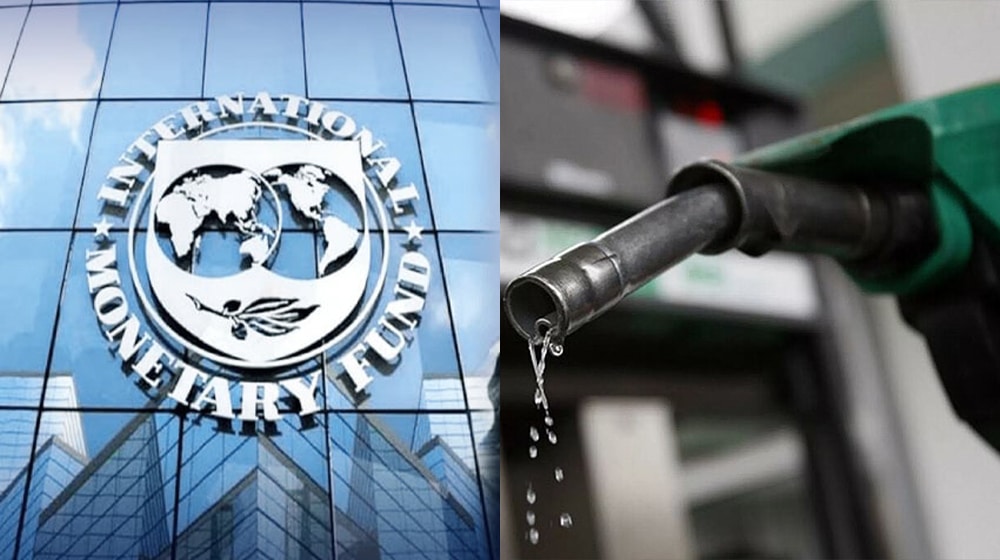
In a calibrated move to ensure Fuel Price Stabilization and protect its citizens from external market volatility, Pakistan’s federal government is strategically engaging with the International Monetary Fund (IMF). The objective is to adjust existing petroleum levy structures on gasoline and diesel, thereby offsetting potential domestic fuel price hikes triggered by global oil market disruptions. This proactive measure underlines a commitment to economic resilience and consumer welfare amidst international tensions, specifically those linked to the conflict involving Iran.
The Translation: Deconstructing the Levy Adjustment Logic
The government’s directive to the Finance Division initiates a critical dialogue with the IMF. This engagement seeks to modify current petroleum levies, which are a component of Pakistan’s IMF-supported economic program. Specifically, the Prime Minister has mandated an exploration into how any necessary increase in domestic fuel prices could be countered by adjusting the existing levies, currently set at approximately Rs. 100 per liter on petrol and Rs. 55 per liter on diesel. This structural adjustment aims to prevent a direct pass-through of global price surges to the consumer.
Furthermore, this initiative follows substantial government intervention. Pakistan has already absorbed a considerable subsidy burden, totaling nearly Rs. 129 billion, to maintain stable fuel prices for consumers. Recent data indicates that within the last three weeks alone, the government strategically absorbed around Rs. 125 billion by holding prices constant despite significant international market pressures. These protective measures have been financed through precise cuts in the development budget and strategic savings from other expenditure heads, demonstrating a clear commitment to national fuel price stabilization.
Socio-Economic Impact: Calibrating Daily Life for Pakistanis
This strategic pursuit of IMF relief directly impacts the daily financial equilibrium of Pakistani citizens. For urban professionals and rural families alike, stable fuel prices mean predictable transportation costs, which are crucial for commuting, logistics, and the overall cost of living. Students relying on public transport experience less financial strain. Consequently, this intervention mitigates inflationary pressures that disproportionately affect households, allowing for greater economic predictability and safeguarding disposable incomes.
A volatile fuel market can disrupt supply chains, increase food prices, and hinder small businesses. Therefore, the government’s effort to cushion the oil price shock provides a baseline of stability. This enables businesses to plan with more certainty and prevents rapid erosion of purchasing power, a critical factor for sustained national growth.
The Forward Path: A Stabilization Move for System Efficiency
This development represents a Stabilization Move rather than a “Momentum Shift.” While the pursuit of levy adjustments is a critical and necessary action to insulate the economy from external shocks, it primarily focuses on maintaining existing economic parameters rather than initiating new growth trajectories. The government is efficiently managing a challenging global environment, ensuring system functionality and citizen welfare remain prioritized.
However, this strategy provides a vital foundation. By stabilizing core economic variables like fuel prices, Pakistan creates a more predictable environment for future strategic investments and growth initiatives. It reinforces fiscal discipline while adaptively responding to immediate external pressures, which is a hallmark of robust national economic management.








