Architecting Urban Resilience: New Sindh Property Laws for Structural Integrity
Pakistan’s urban infrastructure demands calibrated regulation. Consequently, the Sindh government is strategically advancing new Sindh Property Laws to address dilapidated and unsafe private buildings, a crucial move discussed at a high-level meeting in Karachi. This legislative initiative underscores a systemic commitment to citizen safety and structural integrity, aiming to prevent future incidents and enhance urban resilience.
Strategic Imperative: Fortifying Karachi’s Foundations
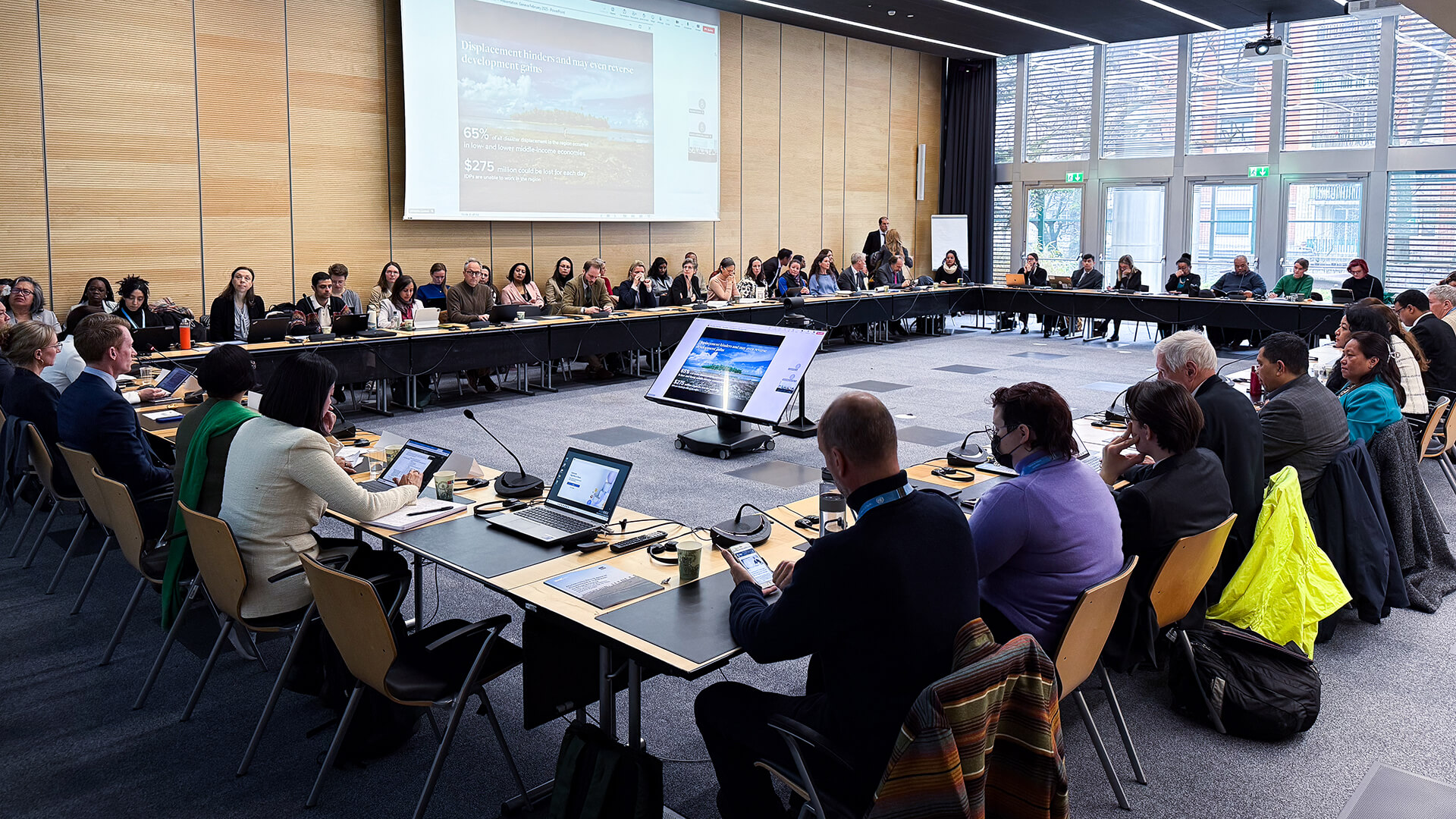
The pivotal session, led by Sindh Local Government Minister Syed Nasir Hussain Shah, assembled key stakeholders. This included the Additional Chief Secretary Sindh, Commissioner Karachi, Director General of the Sindh Building Control Authority (SBCA), and the Chairman of ABAD, among other senior departmental officials. Such collaborative engagement is fundamental for unified policy execution across the province.
Minister Shah emphasized the paramount importance of safeguarding citizens’ lives and property. He asserted that any dereliction in this duty would be met with stringent accountability, establishing a clear baseline for operational responsibility. Therefore, the new framework prioritizes proactive measures over reactive responses.
Redefining Building Safety Protocols
Furthermore, the Minister confirmed the imminent introduction of revised Sindh Property Laws engineered to manage unsafe and dilapidated structures more effectively. He concurrently issued directives for authorities to precisely identify hazardous buildings. This mandate extends to ensuring the safe, strategic evacuation of occupants and initiating necessary demolitions, thus mitigating immediate risks to public safety.
Moreover, a critical directive focused on accelerating the digitization of building records. This strategic move aims to enhance data accessibility, thereby facilitating the timely identification and intervention against illegal constructions. Digital transformation is a catalyst for regulatory efficiency, providing a robust platform for future urban planning initiatives.
Operationalizing Risk Mitigation
During the intensive review, officials meticulously examined inventories of dangerous buildings across various localities. Concurrently, precise timelines were established for departments to expedite corrective actions. Experts provided a calibrated risk assessment, highlighting that recent meteorological events and structural degradation have significantly elevated the potential for catastrophic incidents. Consequently, swift, decisive action is imperative to stabilize the urban environment.

The Situation Room Analysis
The Translation: From Policy to Precision
The impending Sindh Property Laws represent a structural shift from reactive incident response to proactive urban risk management. Historically, the process of addressing unsafe buildings often began post-collapse. This new legislative framework, however, mandates pre-emptive identification, digital record-keeping, and strategic demolition. This ensures that legal and administrative mechanisms are calibrated to prevent rather than merely respond to structural failures. It translates into a more efficient, data-driven system for urban stability.
Socio-Economic Impact: A Safer, More Predictable Future
These new regulations will profoundly impact the daily lives of Pakistani citizens, particularly those in densely populated urban centers like Karachi. For households, it means a baseline improvement in safety and security, reducing the constant threat posed by structurally compromised buildings. Professionals in construction and urban planning will experience a more regulated, transparent environment, fostering legitimate development. Students and families will benefit from safer public spaces and residences. Economically, this stabilization measure can attract calibrated investment in urban infrastructure, elevating property values in compliant areas and reducing the financial burden of disaster recovery on both citizens and the state.
The Forward Path: A Momentum Shift for Urban Resilience
This development undeniably represents a Momentum Shift. By prioritizing legislative reform, digitizing critical data, and enforcing stringent safety protocols, the Sindh government is moving beyond mere maintenance. This is a strategic pivot towards building systemic resilience. It establishes a robust framework for sustainable urban development, positioning Karachi and other urban centers for safer, more predictable growth. The emphasis on prevention and accountability is a significant step towards a more advanced, efficient national infrastructure.