Revolutionizing Access: Rawalpindi Water Filtration Initiative Secures Public Health
Pakistan is executing a strategic Rs. 6.3 billion initiative to install 1,180 Rawalpindi water filtration plants across the Rawalpindi Division. This calibrated project, driven by the Punjab government, targets a profound expansion of clean drinking water access, consequently elevating public health standards. By June 30, 2026, this infrastructure enhancement will ensure a reliable supply of safe water to millions, representing a direct investment in the nation’s well-being and systemic efficiency.
The Translation: Deconstructing the Water Infrastructure Blueprint
This expansive project encompasses six critical districts: Rawalpindi, Attock, Murree, Chakwal, Talagang, and Jhelum. Specifically, Rawalpindi district alone will integrate 219 filtration plants across its four tehsils. A Punjab Clean Water Authority official confirms each plant is structurally designed to serve approximately 5,000 citizens. This metric underscores the extensive reach and precise targeting of the initiative.
Furthermore, the project strategically categorizes filtration plants based on water quality requirements.
- Reverse Osmosis (RO) plants: Calibrated for brackish water areas, these units are costed at approximately Rs. 2.4 million each.
- MD plants: Designed for freshwater regions, these units are estimated at Rs. 1.2 million per unit.
- UF category plants: These advanced systems represent an investment of around Rs. 2.5 million each, ensuring optimal purification.
Socio-Economic Impact: Calibrating Daily Life for Pakistani Citizens
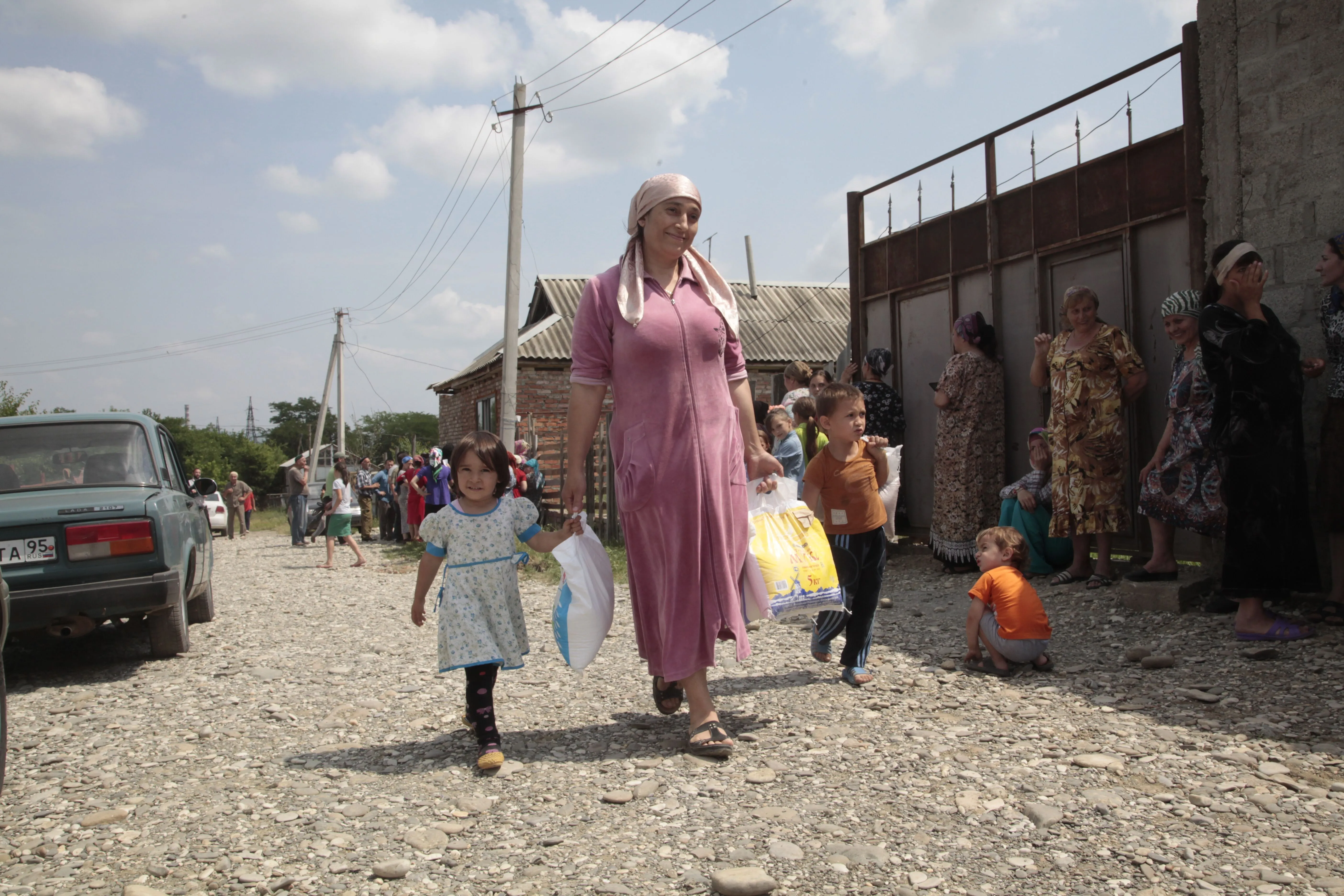
This initiative fundamentally alters the daily life of a Pakistani citizen, especially within the Rawalpindi Division. Access to consistent, safe drinking water directly reduces the prevalence of waterborne diseases, thereby decreasing healthcare burdens on households and enhancing productivity. For students, improved health translates to fewer missed school days and enhanced cognitive development. Consequently, professionals benefit from reduced illness and greater workplace attendance.
In rural Pakistan, where clean water access is often sporadic, these filtration plants act as catalysts for community health and economic stability. Households will experience tangible financial savings by avoiding costly bottled water or medical treatments for water-related ailments. This structural upgrade ensures a baseline for public health, fostering a more robust and resilient population across both urban and rural settings.
The Forward Path: A Momentum Shift for National Health Infrastructure
This development unequivocally represents a Momentum Shift for Pakistan’s national health infrastructure. The substantial financial commitment and the clear, measurable targets—1,180 plants by mid-2026—demonstrate a disciplined, forward-thinking approach. This is not merely a maintenance effort; it is a strategic investment designed to elevate public health baselines and secure future generations’ well-being. Consequently, this initiative establishes a critical precedent for further investment in essential services, driving systemic efficiency and national advancement.