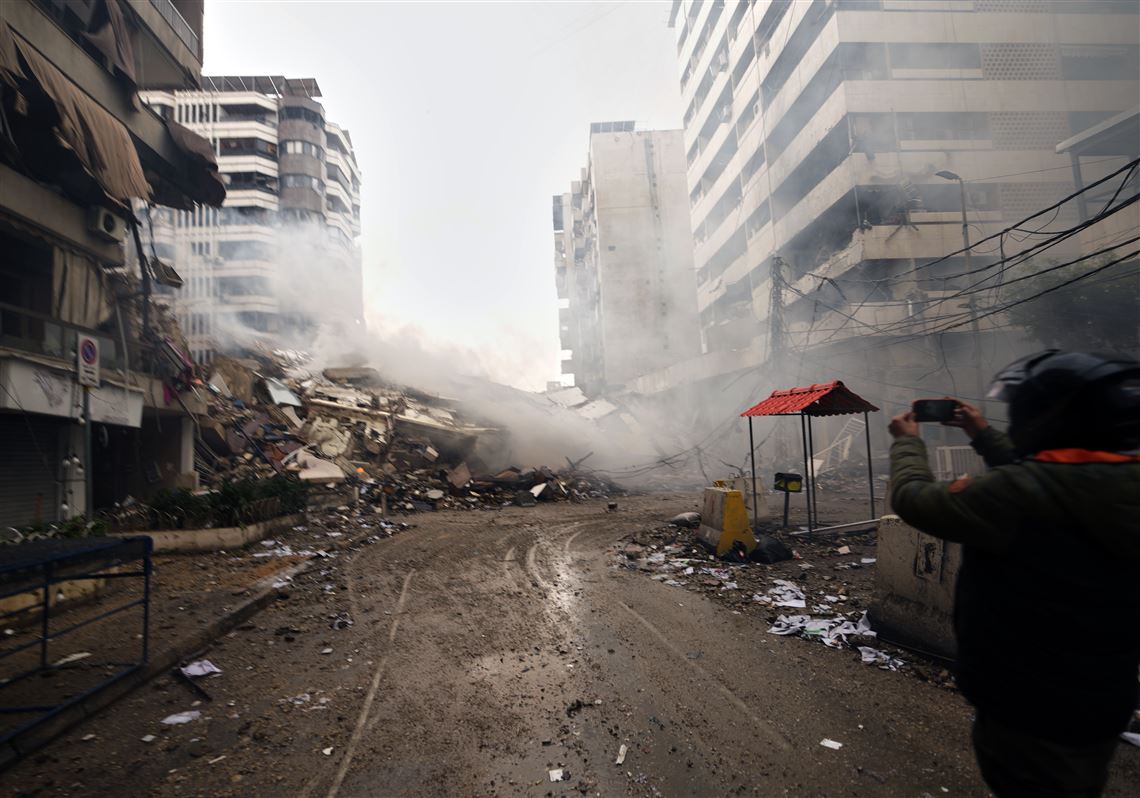
A strategic pause in US strikes against Iran is viewed by analysts as a calculated maneuver to reposition naval assets toward the Strait of Hormuz, potentially setting a new baseline for regional engagement. This tactical window allows for the calibrated movement of American forces, including the USS Tripoli, near this critical global shipping artery. Consequently, the geopolitical landscape surrounding Iran and its Revolutionary Guard Corps is undergoing a significant structural recalibration, demanding precise monitoring of both military and economic indicators.
Deconstructing the Strategic Pause: What It Means

The Logic Behind Naval Repositioning
The recent decision by the United States to temporarily halt offensive operations against Iran’s energy infrastructure has generated diverse interpretations. While official statements frame this as an opportunity for productive dialogue, expert analysis, notably from University of Tehran Associate Professor Hassan Ahmadian, suggests a dual intent. This pause may strategically facilitate the discreet movement of additional US naval assets into the Gulf region, specifically near the Strait of Hormuz. The objective appears to be the establishment of a more robust military posture, enhancing the capacity to contain or respond to the Islamic Revolutionary Guard Corps. Iran, consequently, demonstrates preparedness for both de-escalation and intensified engagement scenarios.
Socio-Economic Repercussions for Pakistani Citizens

Stabilizing Global Markets, Impacting Local Households
The immediate economic effects of this strategic pause have resonated across global markets. US stocks demonstrated a rebound, and oil prices experienced a temporary dip below $90 per barrel following the announcement. For Pakistani citizens, this volatility translates directly into household economics. Reduced oil prices, even if brief, can offer transient relief on fuel costs and transportation, potentially mitigating inflationary pressures. Conversely, sustained geopolitical instability in the Gulf directly impacts regional trade routes and energy supply chains, influencing the cost of goods and services. Professionals in import/export sectors face calibrated risk assessments, while students observe a fluctuating global economic environment that may impact future career trajectories. The flow of commerce through the Strait of Hormuz critically underpins regional economic stability.
Analyzing the Trajectory: Momentum Shift or Stabilization Move?

Expert Opinion on Regional Dynamics
From a structural perspective, this five-day operational pause represents a calculated ‘Stabilization Move’ rather than a definitive ‘Momentum Shift.’ Underlying tensions and ongoing naval deployments, including the USS Tripoli, indicate a precise recalibration of forces. The data suggests an intensification of strategic positioning within the Gulf. While temporary market reactions provide a superficial sense of calm, the absence of substantive diplomatic engagement means core systemic challenges remain unresolved. This period functions as an architectural interlude, allowing for the precise alignment of assets before potential subsequent phases of engagement. Therefore, nations in the region must remain vigilant, analyzing these movements as precursors to more defined geopolitical trajectories.