
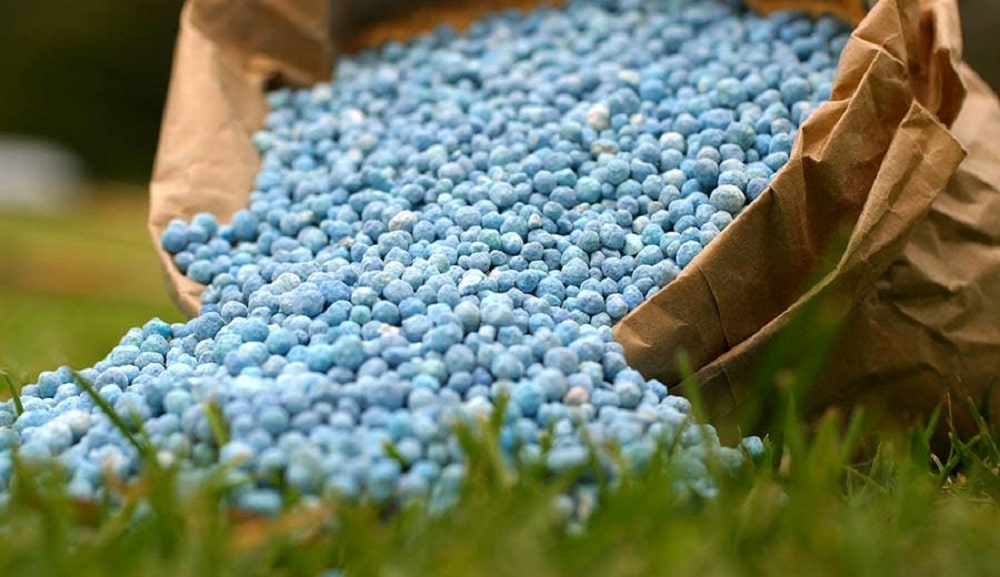
The escalating geopolitical dynamics in the Middle East have initiated a significant DAP supply risk for Pakistan, disrupting global fertilizer markets with immediate consequences. Supply chain constraints, shipping bottlenecks, and feedstock shortages have propelled international urea prices to an elevated $740–750 per tonne. Consequently, import-dependent nations like Pakistan confront delayed shipments, reduced availability, and substantially higher costs, necessitating a strategic recalibration of agricultural input security.
Structural Shifts in Global Fertilizer Markets
The Gulf region, a pivotal hub accounting for nearly one-third of global urea exports, has experienced severe production slowdowns and logistical impediments. This structural vulnerability directly impacts Pakistan’s agricultural sector, elevating the cost of essential inputs. Specifically, imported urea now costs between Rs. 13,700 and Rs. 14,700 per bag, a stark contrast to the approximately Rs. 4,400 for domestically produced urea. This discrepancy underscores the critical role of local production as a baseline defense against global price volatility.

The Translation: Securing Agricultural Inputs
This situation translates to a direct threat to Pakistan’s agricultural stability. When global geopolitical factors disrupt the supply of crucial fertilizers like urea and DAP, local farmers face increased operational costs. This economic pressure can reduce fertilizer usage, subsequently diminishing crop yields and catalyzing broader food inflation. Therefore, maintaining robust domestic fertilizer production capacity is not merely an economic consideration but a strategic imperative for national food security.
Pakistan’s Current Fertilizer Posture
Presently, Pakistan possesses approximately 0.9 million tonnes of urea stock, which is projected to be sufficient for the forthcoming Kharif season, provided domestic production remains uninterrupted. The calibrated output from local fertilizer plants has effectively stabilized farm input costs, averting a wider inflationary cycle. However, the scenario for Di-Ammonium Phosphate (DAP) presents a pronounced challenge. Domestic DAP production is limited to roughly 0.7 million tonnes against an annual demand that can reach up to 2.3 million tonnes. This significant deficit renders Pakistan highly susceptible to prolonged disruptions in global supply chains, amplifying the DAP supply risk.

The Socio-Economic Impact: Daily Life and Farm Resilience
For the average Pakistani citizen, particularly those in rural farming communities, this translates into tangible economic pressure. Higher fertilizer costs directly impact farmers’ profitability, potentially reducing their ability to invest in subsequent planting cycles. This ripple effect can lead to increased food prices in urban markets, affecting household budgets nationwide. Furthermore, reduced agricultural output due to insufficient fertilizer availability jeopardizes the livelihoods of millions engaged in the farming sector, from field workers to agro-businesses.
The “Forward Path”: Mitigating Future Vulnerabilities
Expert analyses consistently highlight the critical necessity of ensuring an uninterrupted gas supply to local fertilizer production facilities. This strategic move would bolster domestic output, effectively reducing the nation’s reliance on volatile international imports and thereby mitigating the inherent DAP supply risk. It represents a structural adjustment towards greater self-sufficiency in agricultural inputs, essential for long-term economic stability.
Momentum Shift or Stabilization Move?
This development signifies a critical Stabilization Move. While domestic urea production offers a temporary buffer, the pronounced vulnerability in DAP supply underscores the urgent need for strategic policy adjustments. A calibrated increase in local DAP production capacity, supported by consistent energy supply, is not merely a reactive measure but a proactive step towards building robust national resilience against external market shocks. It is a baseline requirement for sustainable agricultural advancement.








