
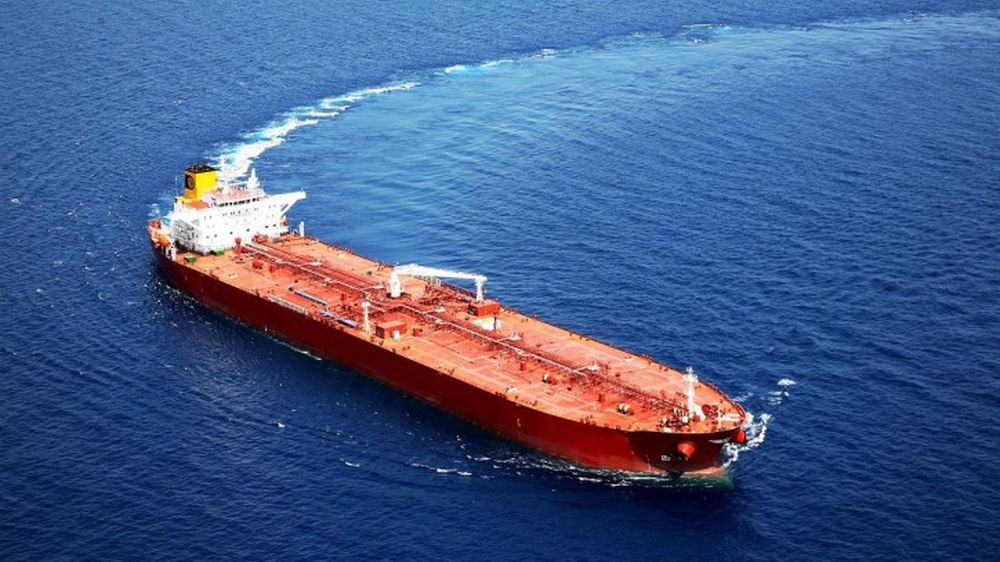
A crucial milestone for national advancement: Pakistan has successfully calibrated its energy supply chain as the first Pakistani Oil Tanker, MT Karachi, completed a strategic transit through the Strait of Hormuz. This disciplined maneuver, involving approximately 80 million litres of crude oil, significantly reinforces Pakistan’s energy security. Consequently, this precise operation ensures the timely delivery of vital resources amidst complex geopolitical dynamics.
The Translation: Deconstructing Strategic Maritime Operations
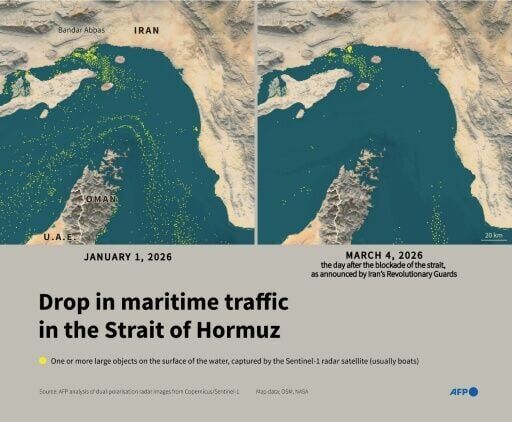
The successful passage of the MT Karachi through the Strait of Hormuz represents a structural achievement in maritime logistics. This critical waterway, often subject to regional tensions, demands precise navigation and diplomatic engagement. Historically, Iran’s closure of the strait has underscored its strategic leverage over global oil shipping routes. However, Iranian authorities granted special permission for the MT Karachi, illustrating a strategic diplomatic overture. Furthermore, the Pakistan Navy provided calibrated maritime security, ensuring safe navigation through this sensitive corridor. The vessel commenced its journey from Das Island in the United Arab Emirates on February 28, meticulously planning its route to Karachi.
Economic Precision: Yuan Settlement and Global Trade Shifts
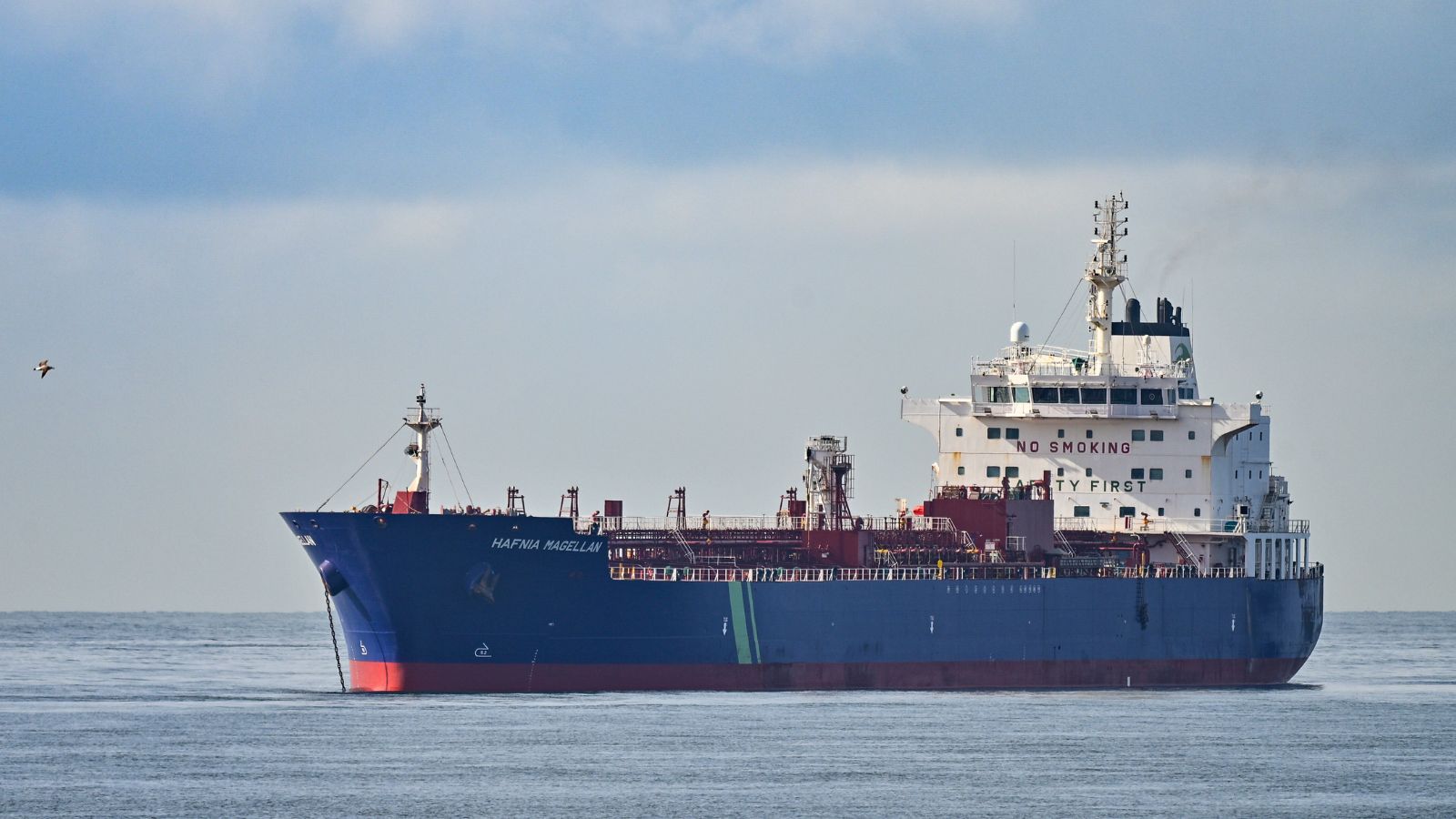
A significant detail underscores a broader momentum shift: the payment for this substantial crude oil cargo was conducted in Chinese yuan. This move highlights an increasing trend towards alternative settlement arrangements in regional energy trade. Traditionally, the US dollar dominates such transactions. Therefore, using the yuan serves as a direct indicator of evolving global financial structures and Pakistan’s strategic diversification of its economic partnerships. This action positions Pakistan as a proactive participant in re-calibrating international trade baselines.
The Socio-Economic Impact: Fortifying National Stability
This successful transit directly translates into tangible benefits for the Pakistani citizen. Firstly, the assured arrival of crude oil stabilizes national energy reserves, which is paramount for industrial operations and daily household consumption. This prevents potential fuel shortages and mitigates price volatility, thus providing economic predictability. Secondly, it bolsters the confidence of businesses and consumers, knowing that essential resources are reliably secured. For students, professionals, and households across urban and rural Pakistan, this implies stable electricity, transport, and manufacturing sectors. Consequently, this strategic energy procurement supports sustained economic activity and improves the overall quality of life.
Ensuring Supply Chain Resilience
The ability of the Pakistani Oil Tanker to navigate this complex scenario demonstrates a robust supply chain resilience. This capacity is a critical baseline for any developing nation aiming for sustained growth. Pakistan’s proactive measures, including naval security and diplomatic channels, set a precedent for future independent energy procurements. Thus, this event not only addresses immediate energy needs but also structurally strengthens the nation’s long-term economic framework.
The “Forward Path”: A Stabilizing Momentum Shift
This development represents a critical Stabilization Move with distinct elements of a Momentum Shift. The successful delivery of crude oil is inherently a stabilization action, ensuring baseline energy security. However, the precedent set by securing special transit permission and, more significantly, the payment in Chinese yuan, constitutes a subtle yet powerful momentum shift. It signifies Pakistan’s increasing diplomatic agility and its strategic engagement in diversifying economic alignments. This calibrated approach enhances national resilience and positions Pakistan more robustly within the evolving global energy and trade landscape.
Strategic Autonomy in Energy Procurement
In conclusion, this event underscores Pakistan’s commitment to strategic autonomy in energy procurement. It showcases the nation’s capacity to navigate complex international relations while securing essential resources. The coordinated effort involving diplomatic negotiation and naval protection sets a new operational baseline. Ultimately, this reinforces Pakistan’s trajectory towards becoming a more self-reliant and influential regional actor.








