
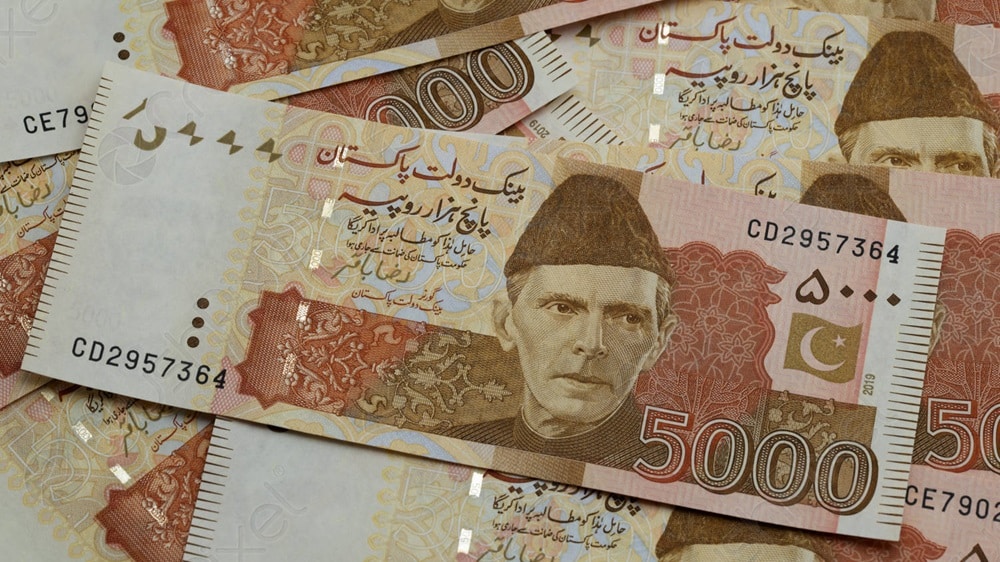
Pakistan’s economic framework experienced a calibrated adjustment as the Real Effective Exchange Rate (REER) registered a decline to 102.5 in February 2026, dropping from 103.3 in January. This structural shift, detailed in recent central bank data, signals persistent Rupee Overvaluation, subtly impacting national economic competitiveness despite a modest depreciation. Understanding this metric is crucial for assessing Pakistan’s fiscal trajectory and its implications for future stability.
The Translation: Deconstructing Exchange Rate Dynamics
The Real Effective Exchange Rate (REER) serves as a critical economic barometer, measuring a nation’s currency value against a composite basket of its key trading partners. Conceptually, a REER index surpassing 100 denotes that the local currency maintains a relative overvaluation compared to peer economies. Conversely, a reading below this baseline indicates an enhancement in competitive positioning within the global market. Furthermore, despite its recent decline, Pakistan’s REER remains structurally above its long-term average, affirming a sustained pressure from Rupee Overvaluation. This indicates a strategic point of focus for economic policy calibration.

The Socio-Economic Impact: Calibrating Daily Life
The persistent Rupee Overvaluation directly influences the daily economic realities for Pakistani citizens. For urban professionals, an overvalued rupee can translate into relatively cheaper imports, affecting the competitiveness of local industries and potentially impacting job creation within export sectors. Consequently, households might find imported goods more affordable, yet local producers face increased pressure. Students aspiring for international education could see tuition fees appear more manageable in rupee terms, while those entering the workforce might experience a nuanced job market, particularly in sectors sensitive to export performance and international trade balances. This dynamic requires precision in economic planning to mitigate adverse effects on diverse segments of the population.
The Forward Path: A Strategic Stabilization Move
This marginal drop in the REER, while indicating a persistent Rupee Overvaluation, appears to be a Stabilization Move rather than a significant Momentum Shift. The incremental adjustment suggests a calculated effort to maintain currency stability without initiating abrupt market disruptions. From an architectural perspective, this approach prioritizes long-term systemic equilibrium over rapid, potentially volatile corrections. Moving forward, continued monitoring and strategic interventions will be essential to recalibrate the rupee’s valuation to foster sustained export growth and enhance Pakistan’s baseline economic resilience. This deliberate management of currency dynamics is pivotal for national advancement.








