
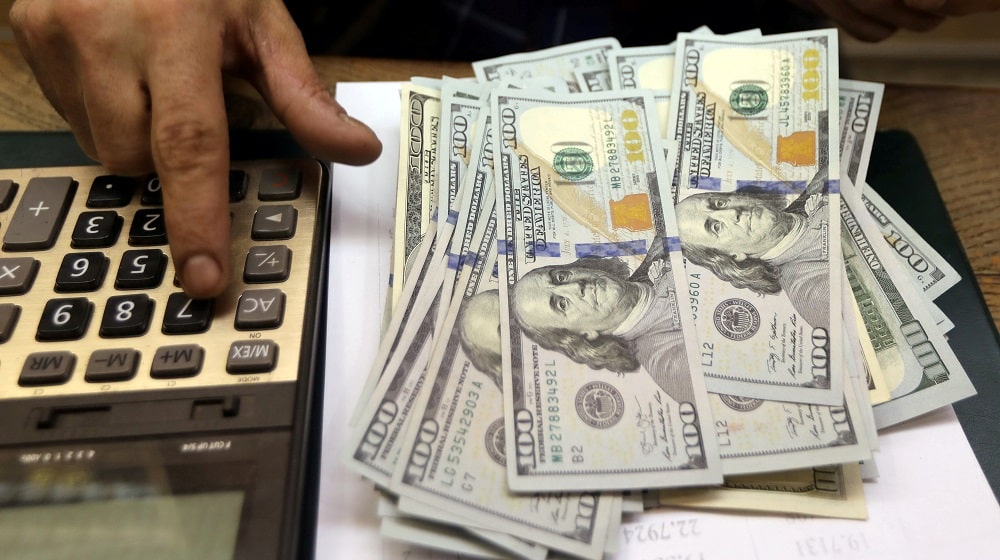
Pakistan’s economic trajectory registered a calibrated ascent in February 2026, marking a significant Pakistan Current Account Surplus of $427 million. This critical fiscal indicator, validated by the State Bank of Pakistan (SBP), represents the highest surplus observed since March 2025. This structural improvement indicates a pivotal shift, demonstrating enhanced national economic resilience and a strategic rebalancing of external accounts.
The Translation: Decoding Pakistan’s Fiscal Performance
A current account surplus signifies that a nation’s total value of exports of goods, services, and net international transfers exceeds its imports. For Pakistan, this $427 million surplus in February 2026 is a precise data point, contrasting sharply with the $85 million deficit recorded in February 2025 and significantly exceeding January 2026’s $68 million surplus. Historically, the eight months of FY26 revealed a cumulative deficit of $700 million, a divergence from the $479 million surplus during the same period in FY25. This February’s performance thus acts as a vital corrective mechanism within the broader fiscal year trend.
Examining the constituent components, exports experienced a marginal decline of 4.86% year-over-year in February 2026, totaling $2.48 billion compared to $2.6 billion previously. Conversely, imports showed a controlled increase of 2% year-over-year in February 2026, reaching $5.15 billion from $5.05 billion. Over eight months, exports collectively decreased by 5.4% to $20.7 billion. Consequently, imports surged by 9% to $41.8 billion across the eight-month period. This precise rebalancing, despite fluctuating trade figures, yielded the crucial surplus.

The Socio-Economic Impact: Fortifying Citizen Prosperity
A sustained Pakistan Current Account Surplus directly translates into tangible benefits for the average Pakistani citizen. This positive external account position fundamentally stabilizes the national currency, mitigating inflationary pressures on essential goods and services. For students, this implies more predictable costs for education and supplies. For professionals, it suggests a more robust economic environment, potentially fostering investment and job creation. Households, whether urban or rural, experience greater financial predictability and reduced cost-of-living anxieties. Furthermore, enhanced currency stability often leads to lower import costs for critical resources, ultimately improving general economic well-being across all demographics.
The Forward Path: A Strategic Stabilization Move
This February 2026 current account surplus is unequivocally a Stabilization Move. While not a singular “Momentum Shift” that redefines the entire economic landscape overnight, it represents a precision-engineered adjustment crucial for long-term fiscal health. It demonstrates the efficacy of strategic economic management and policy implementation aimed at rationalizing external accounts. This data point builds a stronger baseline for future growth, reinforcing confidence among investors and international partners. The challenge remains to sustain this positive trajectory, transforming intermittent surpluses into a consistent structural advantage that accelerates Pakistan’s national advancement.








