
Calibrating Airspace: Why Dubai Flights Suspended Operations
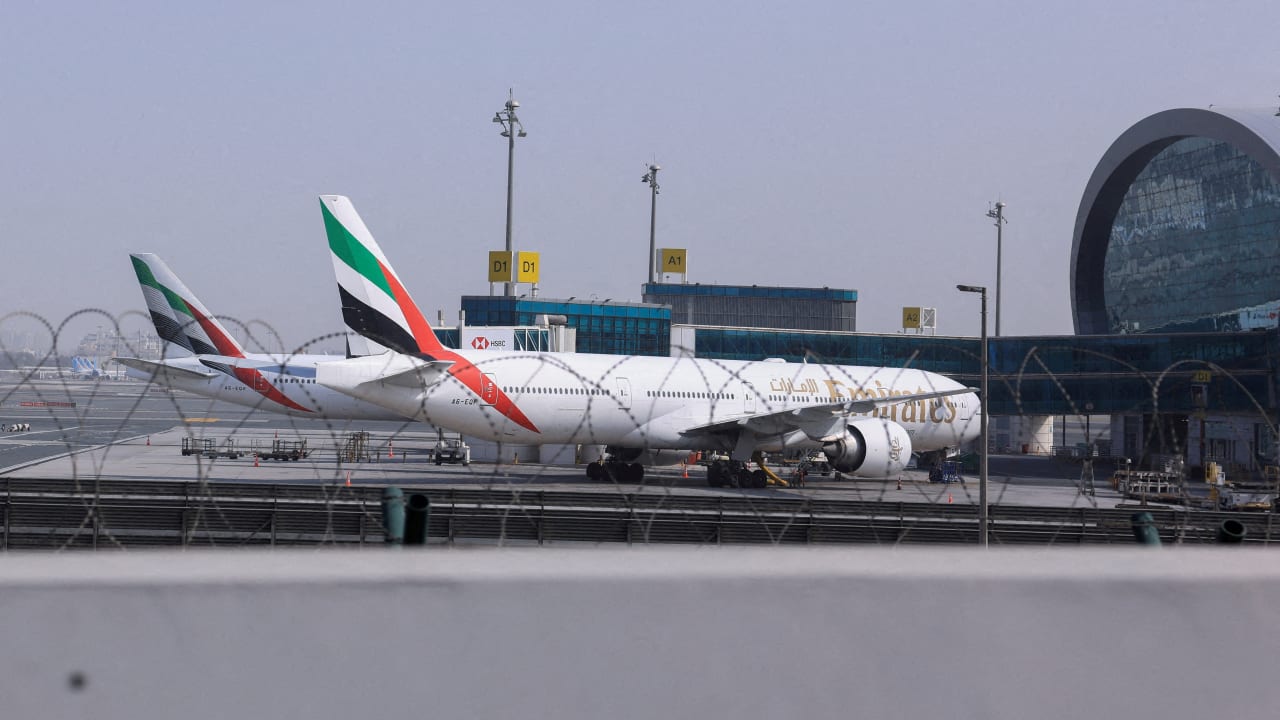
The resilience of critical infrastructure directly influences national operational continuity. A recent incident necessitating the temporary suspension of flights at Dubai International Airport underscores the calibrated measures required for aviation security. Initially, all operations halted following a drone attack on a fuel depot, which triggered a significant fire. However, the airport has now partially resumed flights, demonstrating a rapid and structural response to maintain essential air connectivity.
The Dubai Civil Aviation Authority proactively initiated the temporary Dubai flights suspended protocol. This decisive action ensured the paramount safety of both passengers and airport personnel. Consequently, authorities strongly advise all travelers to directly contact their respective airlines for real-time updates regarding flight schedules and potential alterations, prioritizing informed decision-making before reaching the airport.
The Translation: Decoding Operational Protocols for Air Travel
This event highlights a standard, precision-driven response within critical infrastructure management. When an external threat, such as a drone attack, targets sensitive facilities like a fuel depot, immediate operational cessation is a baseline safety measure. The partial resumption signifies that security protocols have been reinforced, and the immediate threat has been neutralized or contained. Therefore, the decision to suspend and then partially reopen is not arbitrary; it is a calculated, strategic move to assess and mitigate risks within Dubai’s air travel system.

The Socio-Economic Impact: Navigating Travel Disruptions for Pakistanis
For Pakistani citizens, particularly those traveling for business, education, or family reasons, this event can lead to considerable logistical challenges. Professionals might face delays in critical meetings, while students could miss crucial deadlines. Furthermore, families planning holidays or visits might experience unexpected costs due to rebooking or extended stays. These disruptions, while temporary, underscore the interconnectedness of global travel and the immediate need for robust contingency planning by airlines and travelers alike. Urban and rural Pakistanis relying on international remittances or cargo routes may also see minor, short-term impacts.
The incident impacts travel advisories, potentially affecting travel insurance claims or visa processing timelines. Consequently, staying informed via official channels becomes a vital component of international travel preparedness. This proactive approach helps mitigate individual economic burdens and ensures smoother transitions during unforeseen circumstances.
The Forward Path: A Stabilization Move for Aviation Security
This development represents a “Stabilization Move.” It is not a broad momentum shift in regional security but rather a reinforcement of existing, rigorous aviation safety protocols. The swift and transparent communication from the Dubai Civil Aviation Authority, alongside the structured resumption of services, exemplifies mature crisis management. Moving forward, the incident will likely catalyze further enhancements in drone detection and counter-measure technologies across major international airports. This strengthens the overall security architecture, aiming to prevent future such disruptions and maintain passenger confidence in air travel integrity. The temporary Dubai flights suspended period served as a critical operational pause, allowing for precise security assessments.