Calibrating for Impact: Understanding the Global Diesel Price Surge
A structural shift is underway as global diesel prices have critically surged above $140 per barrel, now nearing the peak levels observed during the 2022 energy crisis initiated by the Russia–Ukraine conflict. This significant increase, following a dip to approximately $75 per barrel in early 2025, represents a rapid escalation to $140 per barrel by early 2026, as data compiled by Topline Securities indicates. Consequently, nations like Pakistan, heavily reliant on petroleum imports, face immediate and substantial economic ramifications. This precise analysis illuminates the underlying causes and projected impacts of this pivotal development on Pakistan’s national advancement.
The Translation: Decoding Energy Market Dynamics
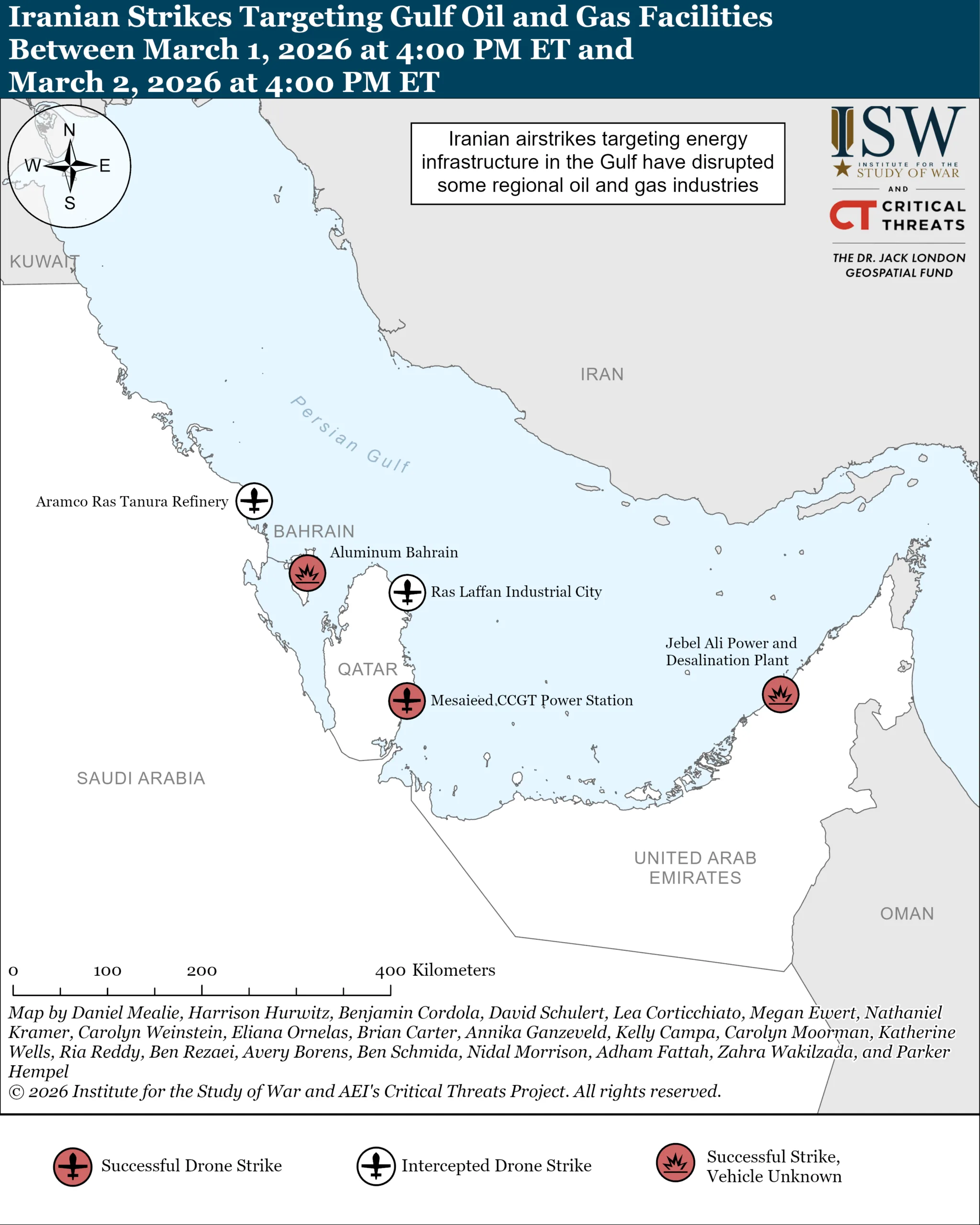
The sudden escalation in global diesel prices reflects a tightening global fuel market. This trend is driven by a confluence of factors: heightened geopolitical tensions across the Middle East, widespread supply disruptions, and a notable increase in insurance and shipping costs for tankers navigating conflict-affected routes. For instance, the ongoing Iran-related conflict and disturbances around the Strait of Hormuz are critically impacting global oil shipments. This vital corridor typically transports around 20 percent of the world’s oil. Furthermore, concerns regarding tanker safety and reduced refinery output in several regions have rigorously constrained the global diesel supply, consequently elevating wholesale prices above crude oil benchmarks in numerous markets.
The Socio-Economic Impact: Daily Life in Pakistan
For the Pakistani citizen, this surge carries direct and profound economic implications. Pakistan’s economy, particularly its logistical and agricultural backbone, heavily depends on imported petroleum products. Recent policy adjustments have already caused local diesel prices to reach around Rs. 335 per litre, directly reflecting global benchmark increases. Consequently, this calibrated price hike will inevitably cascade through the economy. Diesel fuels most of Pakistan’s:
- Trucking systems: Affecting transport costs for all goods.
- Agriculture sector: Increasing input costs for farmers, impacting food production.
- Public transport networks: Leading to higher fares for commuters.
Ultimately, these increases will feed rapidly into elevated food costs, higher transport fares, and broader inflationary pressures across urban and rural Pakistan, directly impacting household budgets and operational costs for businesses. This structural challenge demands a strategic response to protect national economic stability.

The “Forward Path”: A Critical Stabilization Move
This development represents a Stabilization Move for the global energy market, rather than a Momentum Shift towards progress. The current price spike is largely reactive, driven by volatile geopolitical events and supply chain vulnerabilities. For Pakistan, this necessitates an immediate and strategic calibration of energy policy. This involves exploring diversified energy sources, enhancing domestic refining capabilities, and optimizing logistics to mitigate external price shocks. Precision in fiscal management and targeted subsidies will be crucial to cushion the socio-economic impact on citizens and maintain the baseline for economic growth. Proactive measures are essential to transform this challenge into an opportunity for greater energy resilience.