Addressing Middle East Flight Disruptions: A Strategic Overview
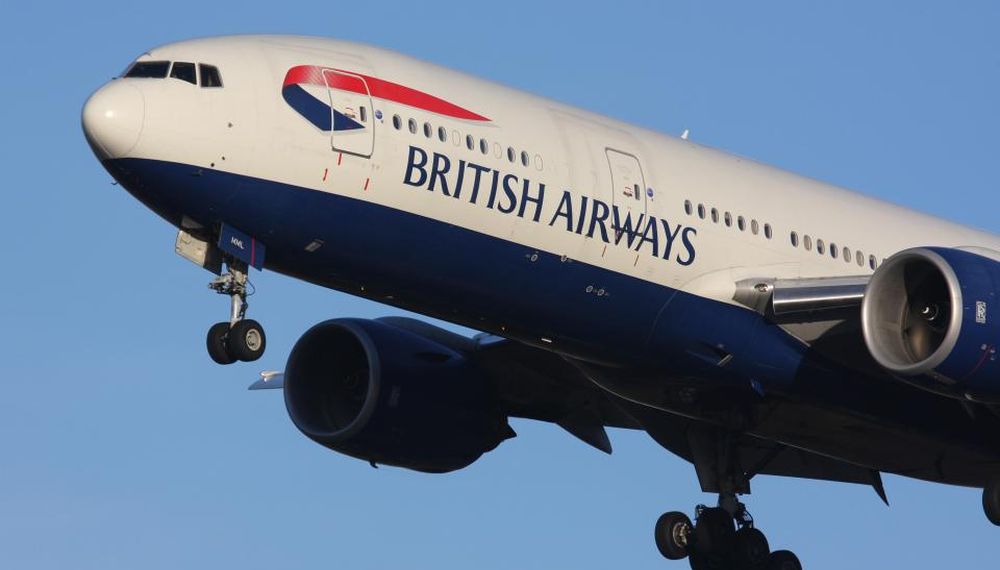
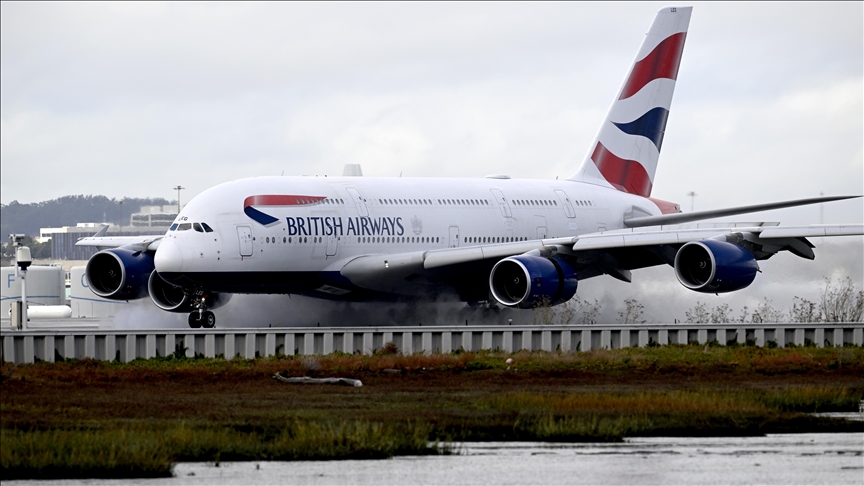
The ongoing regional instability has initiated a calibrated response from global aviation; specifically, British Airways has strategically suspended numerous Middle East flight disruptions. This move addresses significant airspace instability stemming from escalating regional conflicts, impacting key routes to destinations such as Amman, Bahrain, Doha, Dubai, and Tel Aviv. The operational adjustment underscores the imperative for precision in ensuring passenger safety amidst dynamic geopolitical landscapes.
The Translation: Deconstructing Middle East Flight Disruptions
British Airways’ decision to pause flights is a direct consequence of a heightened risk assessment in the region. Furthermore, the conflict involving Iran has introduced unpredictable elements into the airspace, necessitating proactive measures. This is not merely a cancellation; it represents a strategic recalibration of flight paths and schedules to mitigate exposure to potential hazards. The airline’s statement confirms a temporary suspension for key destinations until later this month, with Abu Dhabi flights paused even longer, demonstrating a tiered response to varying levels of regional risk.
The Socio-Economic Impact: Calibrating Pakistani Lives
For Pakistani citizens, these Middle East flight disruptions carry tangible implications. Students pursuing education abroad, professionals on critical assignments, and families planning essential travel face immediate logistical challenges. Consequently, this impacts not only direct travel from Pakistan to these destinations but also transit through major hubs. The ripple effect can include increased travel times, rerouting expenses, and potential delays in economic activities that rely on efficient air connectivity. Therefore, households must now factor in a dynamic travel environment, demanding greater flexibility and foresight in their planning.
The Forward Path: A Stabilization Move for Systemic Resilience
This development fundamentally represents a Stabilization Move rather than a momentum shift. While inconvenient, British Airways’ decision to suspend flights is a necessary act of operational resilience. It prioritizes safety as the paramount metric, preventing potential crises. The data indicates over 27,000 flight cancellations across the Middle East since February 28, underscoring a systemic challenge. Such strategic pauses allow for a reassessment of operational baselines, ensuring the long-term structural integrity of air travel within an unpredictable global environment. Ultimately, it serves as a precedent for calibrated risk management in complex regions.
Operational Metrics: The Scale of Disruption
Analyzing the operational data reveals the profound impact of these tensions: since February 28, a staggering over 27,000 flights across the Middle East, including Tel Aviv, have been cancelled. This precise figure quantifies the extensive safety concerns and airspace restrictions that have necessitated such widespread Middle East flight disruptions. The cumulative effect on regional air travel infrastructure is substantial, reflecting a calibrated response by numerous carriers.
- Passenger Communication: British Airways is proactively engaging with affected passengers, offering alternative travel options and support.
- Customer Action: The airline urges customers who have made alternative arrangements to inform the company, streamlining their operational response.