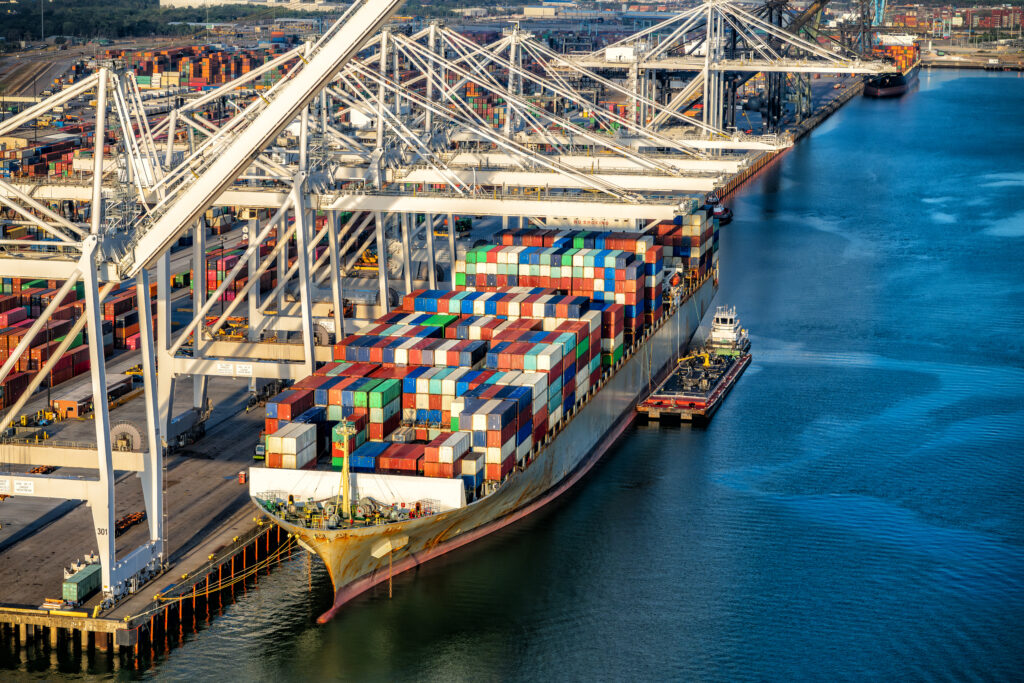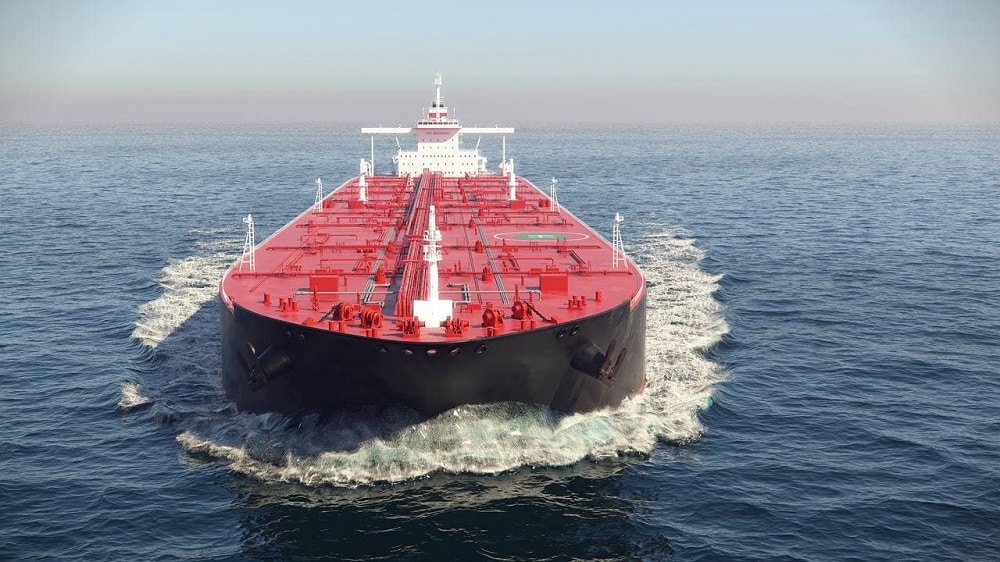
Pakistan’s strategic oil import relief efforts are now crucial as the oil industry confronts severe disruptions in global shipping and insurance markets. Escalating geopolitical tensions in the Middle East have necessitated a critical request to the State Bank of Pakistan: temporarily permit petroleum imports on a Cost, Insurance, and Freight (CIF) basis. This calibrated shift aims to ensure the uninterrupted flow of vital fuel supplies, directly impacting national energy security and economic stability.
The Translation: Structural Challenges in Global Oil Logistics
Geopolitical complexities, specifically the ongoing Iran-Israel-United States conflict, have catalyzed unprecedented volatility within global oil shipping. Consequently, marine insurers have either retracted war risk coverage or drastically inflated premiums for vessels operating in critical chokepoints like the Persian Gulf and the Strait of Hormuz. Freight rates, furthermore, have quadrupled, rendering tanker chartering exceptionally challenging.
Under established regulations, refineries and oil marketing companies conventionally manage petroleum imports on a Cost and Freight (C&F) basis. This mandates the buyer to secure marine and war risk insurance independently. However, the current high-risk environment has made obtaining such critical insurance nearly impossible. A recent spot tender from Pakistan State Oil for petrol, high-speed diesel, and JP-1 fuel cargoes on a C&F basis garnered no bids, underscoring the systemic breakdown.
The Socio-Economic Impact: The Imperative for Oil Import Relief and Systemic Adaption
This logistical challenge directly impacts the daily lives of Pakistani citizens. Uninterrupted fuel supplies are foundational for economic activities, from industrial operations to agricultural output, especially critical ahead of the upcoming crop sowing season. Professionals reliant on transportation, households managing daily commutes, and farmers powering machinery all depend on stable fuel availability. A disruption could, therefore, trigger price hikes and scarcity, directly affecting disposable incomes and operational efficiencies across urban and rural Pakistan.
To mitigate this critical vulnerability, the Oil Companies Advisory Council (OCAC) has formally requested a temporary two-month allowance from the central bank. This strategic allowance would permit imports on a CIF basis, transferring the responsibility for both freight and insurance, including war risk coverage, to the suppliers. This mechanism is projected to streamline cargo acquisition, stabilize supply chains, and secure essential fuel deliveries during this volatile period.
The Forward Path: Ensuring Supply Chain Integrity and Public Confidence
In a related development, the OCAC also engaged the Oil and Gas Regulatory Authority (OGRA) concerning local administrations sealing petrol stations. This action occurred during a recent surge in demand, where panic buying, fueled by regional uncertainty, temporarily doubled fuel sales in some areas. Consequently, certain retail outlets faced momentary stock depletion while new tanker deliveries were in transit.
This development represents a Stabilization Move. The request for temporary CIF imports is a pragmatic, immediate response to external geopolitical shocks, designed to maintain baseline system functionality. While not a fundamental systemic re-architecture, it is a crucial tactical maneuver to prevent supply chain disruption. Authorities must, therefore, prioritize maintaining public confidence and ensuring operational flexibility, rather than punitive actions that exacerbate anxiety. Allowing outlets to resume operations promptly upon fresh supplies is critical to avoid further systemic stress. This precision intervention safeguards critical infrastructure and ensures continued oil import relief.