
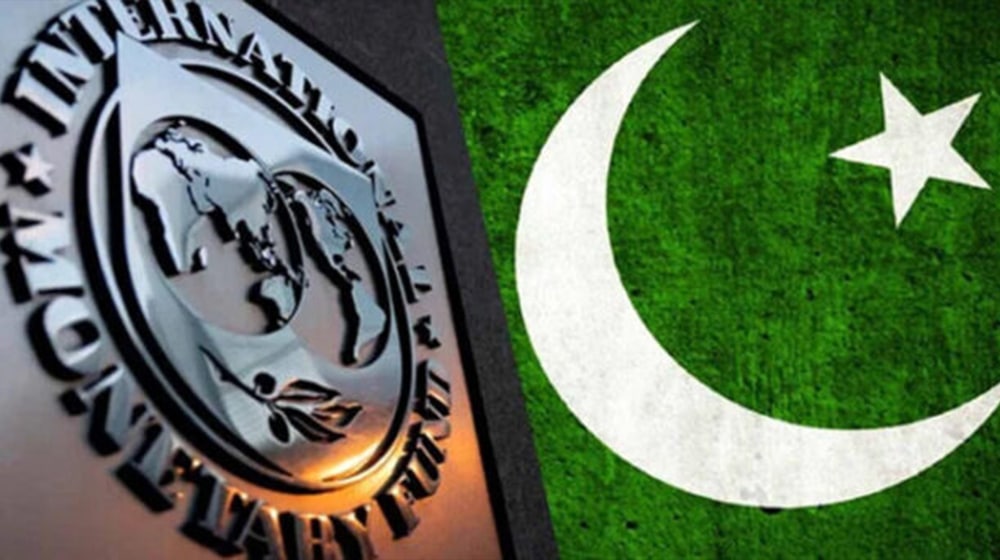
The International Monetary Fund (IMF) has expressed significant reservations regarding Pakistan’s proposed tax strategy, specifically concerning plans to abolish the Super Tax and reduce income tax rates for salaried individuals. Consequently, the IMF questions how the government intends to achieve sustainable revenue targets for fiscal year 2026-27 amidst these significant tax relief measures. This pivotal dialogue underscores the critical balance Pakistan must strike between fiscal stability and economic stimulus.
This foundational policy discussion follows proposals from the Prime Minister’s Office to implement these tax adjustments, aiming to alleviate economic burdens. However, the IMF maintains that the estimated revenue loss of Rs150 billion from the Super Tax abolition necessitates credible, alternative fiscal mechanisms. Furthermore, resolving long-pending tax disputes and implementing stringent enforcement measures, while offering short-term gains, may not provide a durable framework for consistent revenue generation.
The Translation: Deconstructing Pakistan’s Fiscal Deliberations
At its core, this situation involves a strategic misalignment between Pakistan’s domestic economic imperatives and the IMF’s stringent fiscal stability requirements. Pakistan’s government proposes tax relief, notably the Super Tax abolition and reduced rates for salaried individuals, aiming to stimulate economic activity and provide citizen relief. Conversely, the IMF’s mandate necessitates a clear, calibrated pathway to robust revenue collection. They contend that one-off gains from litigation settlements or enforcement drives, while beneficial, do not constitute the structural reforms required for sustained revenue growth into future fiscal years.
Moreover, the establishment of a new Tax Policy Office within the finance ministry represents a proactive, structural response by Pakistan. This entity is tasked with engineering proposals for the upcoming budget, critically balancing public welfare with national revenue generation. However, any proposed adjustments, such as modifying income tax slabs for higher earners, must be meticulously offset with alternative measures to prevent a revenue shortfall and secure crucial IMF approval.
Socio-Economic Impact: Calibrating Daily Life for Pakistanis
These ongoing tax policy discussions directly impact the financial planning of every Pakistani household, professional, and student. Should the proposed reduction in income tax rates for salaried individuals be approved, it would immediately translate into a tangible increase in disposable income. For an average urban professional, this could mean greater capacity for savings, investment, or consumption, thereby stimulating local markets. In contrast, the abolition of the Super Tax, which primarily affects large corporations, could theoretically encourage business expansion and job creation, a vital component of national advancement.
However, if alternative revenue streams are not rigorously secured, the potential fiscal deficit could necessitate cuts in public spending, affecting critical services such as education, healthcare, or infrastructure projects. Consequently, while individual tax relief offers immediate benefits, the broader implications for national development and systemic efficiency are subject to the government’s ability to forge a sustainable Pakistan tax strategy. This intricate balance underscores the necessity for precise policy calibration.
The Forward Path: A Stabilization Move Requiring Momentum
From an analytical perspective, Pakistan’s current engagement with the IMF represents a “Stabilization Move.” It aims to maintain fiscal discipline while selectively introducing measures for economic relief. The intent to abolish the Super Tax and provide salaried income tax relief signals a strategic effort to stimulate the economy from within. However, for this to evolve into a true “Momentum Shift” towards sustainable national advancement, Pakistan must present a rigorously detailed and credible plan for alternative revenue generation. Reliance on one-off collections is a temporary solution, not a structural enhancement.
Therefore, the upcoming budget negotiations in May 2026 will be instrumental. Pakistan’s capacity to articulate a durable fiscal reforms Pakistan agenda, encompassing efficient FBR revenue collection strategies beyond dispute resolution, will define whether these discussions merely maintain baseline stability or act as a catalyst for progressive economic transformation.








