
Driving Operational Efficiency: ZTBL’s Strategic Energy Response
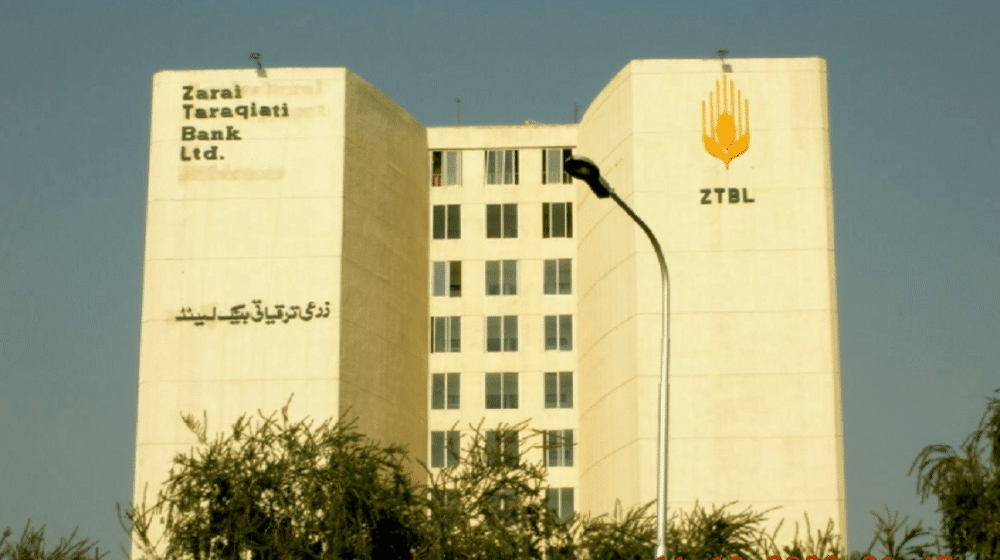
In a calibrated response to Pakistan’s escalating energy crisis, the Zarai Taraqiati Bank Limited (ZTBL) has announced a significant 25% reduction in fuel consumption across its nationwide operations. This structural adjustment, measured in litres, takes immediate effect and underscores a commitment to national economic resilience. By optimizing fuel usage at its Head Office and branches, ZTBL establishes a baseline for corporate responsibility, ensuring operational stability while actively contributing to critical national savings. This decisive move exemplifies a practical application of sustainable practices within large-scale institutions, setting a precedent for resource management. Specifically, the focused initiative aims for impactful ZTBL fuel reduction across all operational tiers, aligning with broader national goals for energy security and fiscal prudence.

The Translation: Implementing Precision Fuel Conservation
ZTBL’s directive translates into a multi-faceted approach, meticulously designed to reduce its energy footprint and enhance operational efficiency. Management has precisely instructed all controlling officers to enforce stringent fuel conservation measures in alignment with essential operational necessities. Furthermore, the bank emphasizes that collective, minor adjustments in daily routines can catalyze substantial aggregate fuel savings for the nation. This strategic imperative directly addresses potential fuel shortages and economic vulnerabilities linked to the ongoing regional conflict and global economic landscape, ensuring resource stability and continuity. Such precise operational adjustments are crucial for navigating current economic pressures.
- Trip-Pooling Mandate: Field staff receive explicit guidance to adopt fuel-efficient routes and actively utilize trip-pooling methods, thereby minimizing individual vehicle usage and optimizing travel logistics. This systematic approach not only reduces the overall carbon footprint but also promotes collaborative resource sharing.
- Virtual Engagement: Employees are directed to leverage smart alternatives such as secure video conferencing and telephonic communication, significantly reducing the necessity for physical travel and streamlining inter-departmental operations. This fosters a more agile and digitally-integrated workflow, boosting productivity while conserving resources.
Socio-Economic Impact: Fortifying Pakistan’s Energy Stability
The proactive measures undertaken, including the significant ZTBL fuel reduction, directly influence the daily life of a Pakistani citizen by fortifying and stabilizing the national energy grid. For students grappling with rising educational costs, professionals navigating daily commutes, and households managing tight budgets in both urban and rural Pakistan, such corporate actions collectively ease demand pressure on national resources. Consequently, this measure holds the potential to mitigate future fuel price hikes and ensure broader, more consistent fuel availability nationwide. When a major financial institution strategically reduces its consumption, it sets a powerful precedent, inspiring other vital sectors to adopt similar efficiencies, fostering a culture of resource optimization across the country.
This decisive action contributes robustly to a more predictable, resilient, and sustainable economic environment, fostering long-term confidence in national resources and infrastructure. It signifies a collective effort towards energy independence and economic self-sufficiency, benefitting all segments of society, and promoting a more stable future for Pakistan.
The Forward Path: A Stabilization Move for Systemic Efficiency
This development fundamentally represents a Stabilization Move rather than a Momentum Shift. ZTBL’s actions are a precise, proactive recalibration designed to fortify existing systems against external volatilities and resource scarcity. By implementing disciplined fuel conservation, the bank is not only ensuring its own critical operational continuity but also demonstrating a practical pathway for system-wide efficiency improvements across Pakistan’s corporate landscape. This structural adjustment is critical for maintaining baseline economic functionality and accelerating national progress during periods of significant energy strain. It emphasizes proactive management over reactive measures, establishing a new, efficient operational paradigm for public and private entities alike, thereby bolstering the nation’s overall capacity for progress.








