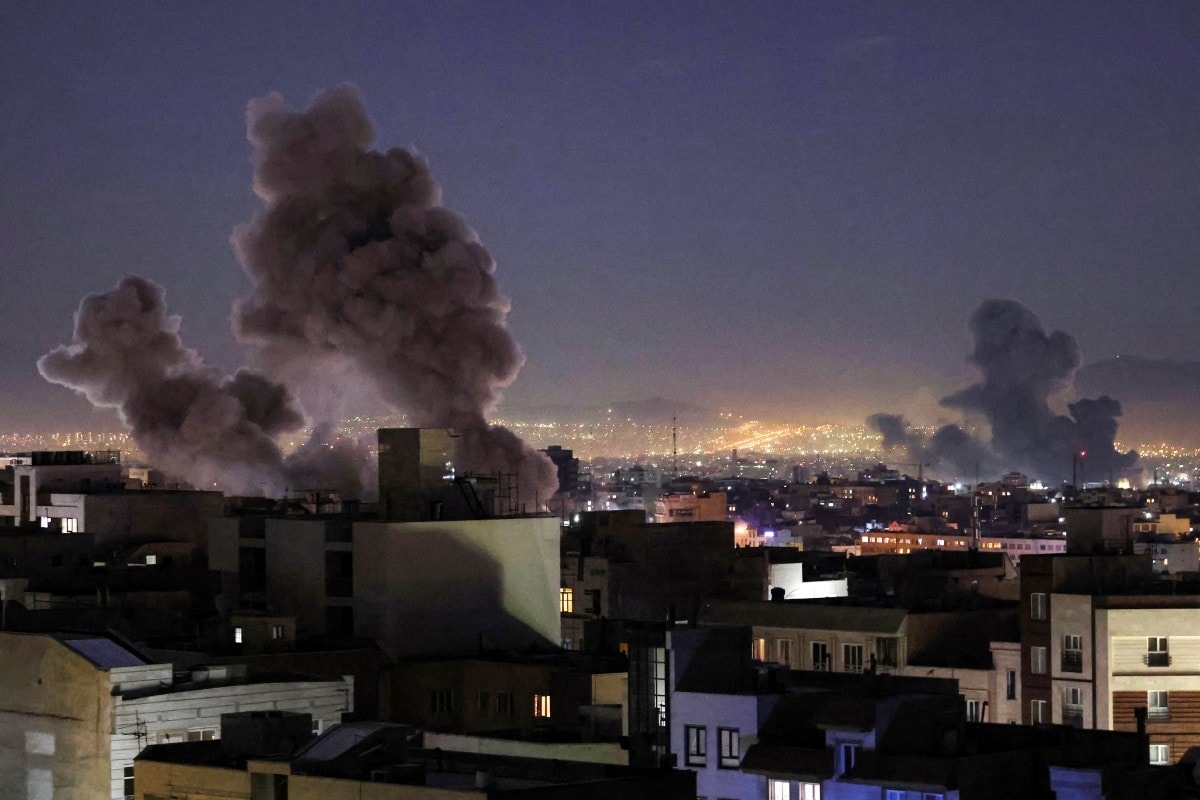
The current global geopolitical landscape has catalyzed a critical Pakistan energy crisis, directly impacting national stability and economic foresight. Escalating tensions in the Middle East have disrupted international energy supply chains, significantly elevating imported fuel costs for nations heavily reliant on external sources. Consequently, Pakistan faces increased financial pressures, underscoring the strategic imperative for robust domestic energy solutions to mitigate vulnerability and secure its future energy baseline.
The Translation (Clear Context)
Global energy markets are currently experiencing calibrated stress following recent strategic actions in the Middle East. These events have significantly impacted countries like Pakistan, which depend heavily on imported fuels. Specifically, QatarEnergy has paused cargo shipments, creating a bottleneck in the Strait of Hormuz. This critical maritime conduit, responsible for transiting nearly 30% of the world’s seaborne oil, is paramount for Pakistan, as approximately two-thirds of its liquefied natural gas (LNG) imports utilize this route. Furthermore, expert analyses indicate that a $10 increase in global oil prices could structurally expand Pakistan’s current account deficit by an estimated $1.5 billion to $2 billion annually. This direct correlation necessitates an immediate, strategic recalibration towards domestic energy resource development.

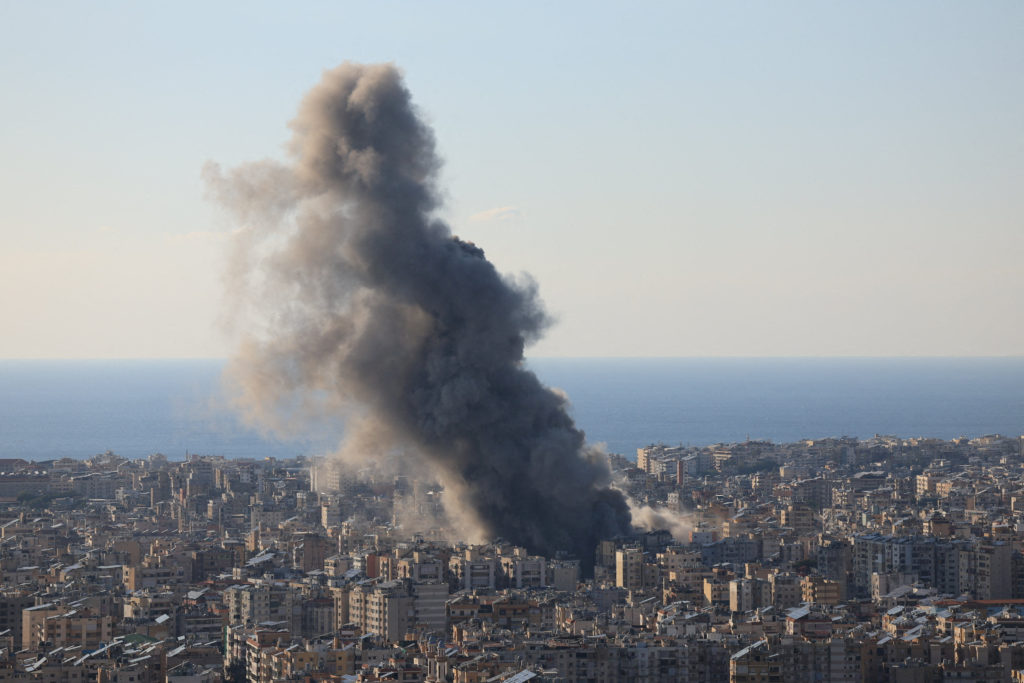
Moreover, the broader regional instability, including prolonged U.S.-Israel engagement with Iran, exacerbates uncertainties within global energy markets. This dynamic directly contributes to volatile pricing structures for crude oil and LNG. Pakistan, therefore, faces not only supply chain disruptions but also the challenge of operating within a continually shifting pricing paradigm, necessitating a resilient and adaptive national energy strategy.
The Socio-Economic Impact
This evolving energy landscape directly transforms the daily economic realities for Pakistani citizens. Rising global energy prices translate into higher operational costs for industries and increased electricity tariffs for households across both urban and rural Pakistan. Professionals may experience stagnated growth as businesses confront amplified overheads, potentially impacting job security and economic expansion. Students face indirect consequences through reduced household disposable income, potentially affecting educational opportunities and access to resources. This systemic pressure threatens to accelerate inflation, thereby eroding purchasing power and placing substantial strain on family budgets. Consequently, a stable and affordable energy supply is not merely an economic metric but a fundamental component of societal well-being and progress.

The “Forward Path” (Opinion): Strategic Shift to Domestic Resources
The imperative for Pakistan to transition away from imported energy dependency represents a decisive Momentum Shift. The Thar Coalfield, holding colossal reserves of 175-186 billion tons, emerges as a pivotal domestic energy solution. Pakistan’s indigenous coal production has already demonstrated a robust ascent, increasing from 12 million tons two years prior to 19.1 million tons in FY22-25. By early 2026, Thar coal projects are projected to generate approximately 3,300 megawatts of electricity. This expansion offers a significantly more cost-effective alternative to expensive LNG and furnace oil, recalibrating the national energy baseline.

Calibrating Energy Costs for National Stability
Presently, electricity generated from imported LNG or furnace oil can surge to Rs. 50 per unit during periods of global crisis. In stark contrast, power derived from Thar coal is projected to cost merely Rs. 5–8 per unit. This substantial cost differential represents a transformative advantage for both Pakistani households and industrial enterprises. Consequently, prioritizing domestic energy sources and strategically allocating limited gas reserves to export-oriented industries are crucial measures to fortify economic stability and address the ongoing Pakistan energy crisis. Moreover, persistent Middle East tensions risk escalating inflation further, potentially impacting national tax revenues and industrial output. Energy sector experts unequivocally advocate for accelerating reforms and expanding indigenous resources, such as Thar coal, to preempt prolonged energy shortages and mitigate the rise in electricity expenditures.
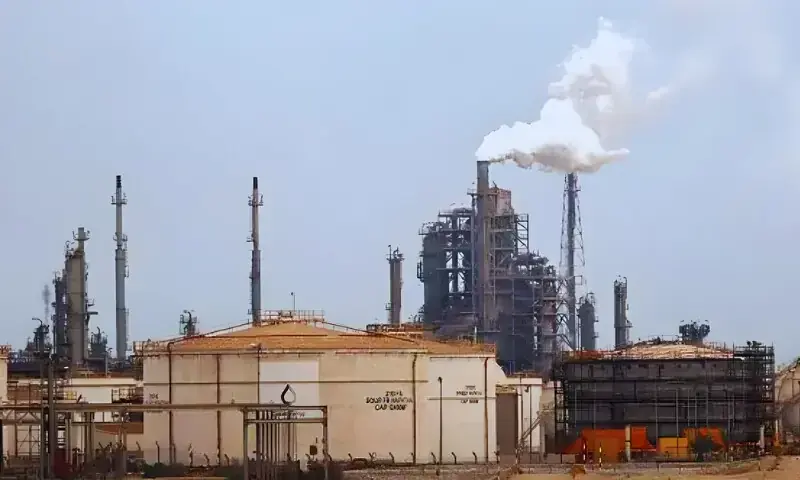
This proactive development of indigenous resources, particularly the vast reserves in Thar, provides a calibrated pathway to insulate Pakistan’s economy from the volatility of international fuel markets. It ensures a more predictable and sustainable energy future, fostering an environment conducive to long-term industrial growth and national prosperity.