

Pakistan is strategically advancing its energy sector through crucial reforms. Federal Minister for Power Sardar Awais Leghari recently engaged with Türkiye’s Energy Minister Alparslan Bayraktar, signaling a significant move towards Pakistan power privatization. This high-level discussion underscores a calibrated effort to attract experienced global investors, with Turkish firms showing considerable interest in acquiring Pakistan’s power distribution companies (DISCOs). Such international engagement is a catalyst for modernizing infrastructure and enhancing system efficiency across the nation.
The Translation: Deconstructing Energy Sector Reforms
At its core, this development signifies a structural pivot in Pakistan’s national energy strategy. The term “privatization of DISCOs” refers to the transfer of ownership and operational control of government-owned power distribution companies to private entities. Historically, these entities have faced systemic inefficiencies, including substantial line losses and suboptimal service delivery. Therefore, Pakistan’s Federal Minister for Power, Sardar Awais Leghari, explicitly outlined ongoing reforms designed to enhance operational benchmarks and foster a competitive energy landscape. Türkiye’s Energy Minister, Alparslan Bayraktar, confirmed Turkish investors are keenly observing these developments, poised to participate.
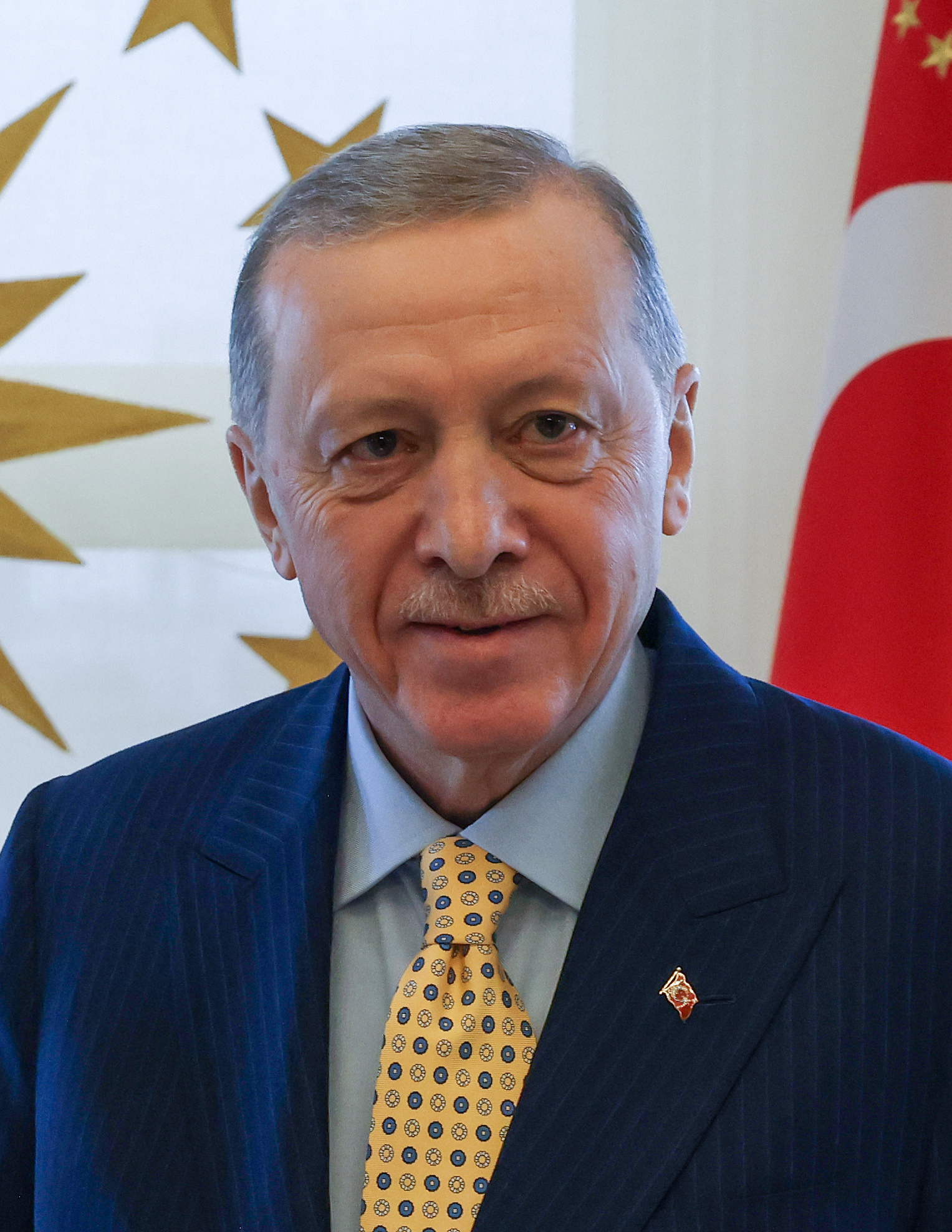
Furthermore, this initiative aims to inject foreign direct investment (FDI) into a critical sector, providing the necessary capital for infrastructure upgrades and technological integration. The dialogue between the two nations’ energy ministers specifically explored establishing a dedicated forum to facilitate direct engagement between Pakistani representatives and Turkish investors. Consequently, this calibrated approach seeks to leverage global expertise, ensuring a more resilient and efficient power distribution network for Pakistan.
The Socio-Economic Impact: Calibrating Daily Life for Pakistanis
This privatization drive holds profound implications for everyday Pakistani citizens. Improved efficiency in DISCOs means a more reliable and consistent electricity supply, directly impacting households, students, and professionals. For urban centers, reduced load shedding translates into uninterrupted study hours for students and stable operations for small businesses. In contrast, rural Pakistan, often marginalized by inconsistent power access, stands to gain from enhanced grid stability and potentially lower long-term operational costs, which could lead to more equitable electricity tariffs.

Moreover, the influx of foreign investment and expertise could foster job creation within the energy sector, particularly in technical and managerial roles. This strategic reorientation promises not only direct improvements in power availability but also a catalytic effect on broader economic productivity. Enhanced energy infrastructure forms the baseline for industrial growth and digital advancement, directly improving the quality of life and fostering a more predictable environment for all citizens.
The “Forward Path”: A Momentum Shift for Energy Stability
This initiative represents a decisive “Momentum Shift” for Pakistan’s energy sector. The proactive engagement with experienced global investors, particularly from Türkiye, signifies a strategic departure from traditional operational paradigms. It moves beyond mere maintenance to actively seeking transformative solutions.

The structured approach to inviting international participation and discussing a collaborative forum indicates a well-calibrated plan to upgrade critical national infrastructure. Consequently, by prioritizing efficiency and attracting vital foreign capital, Pakistan is laying the structural groundwork for long-term energy stability and economic resilience. This strategic repositioning is poised to unlock significant operational efficiencies and foster sustained progress across the nation’s power distribution landscape.








