

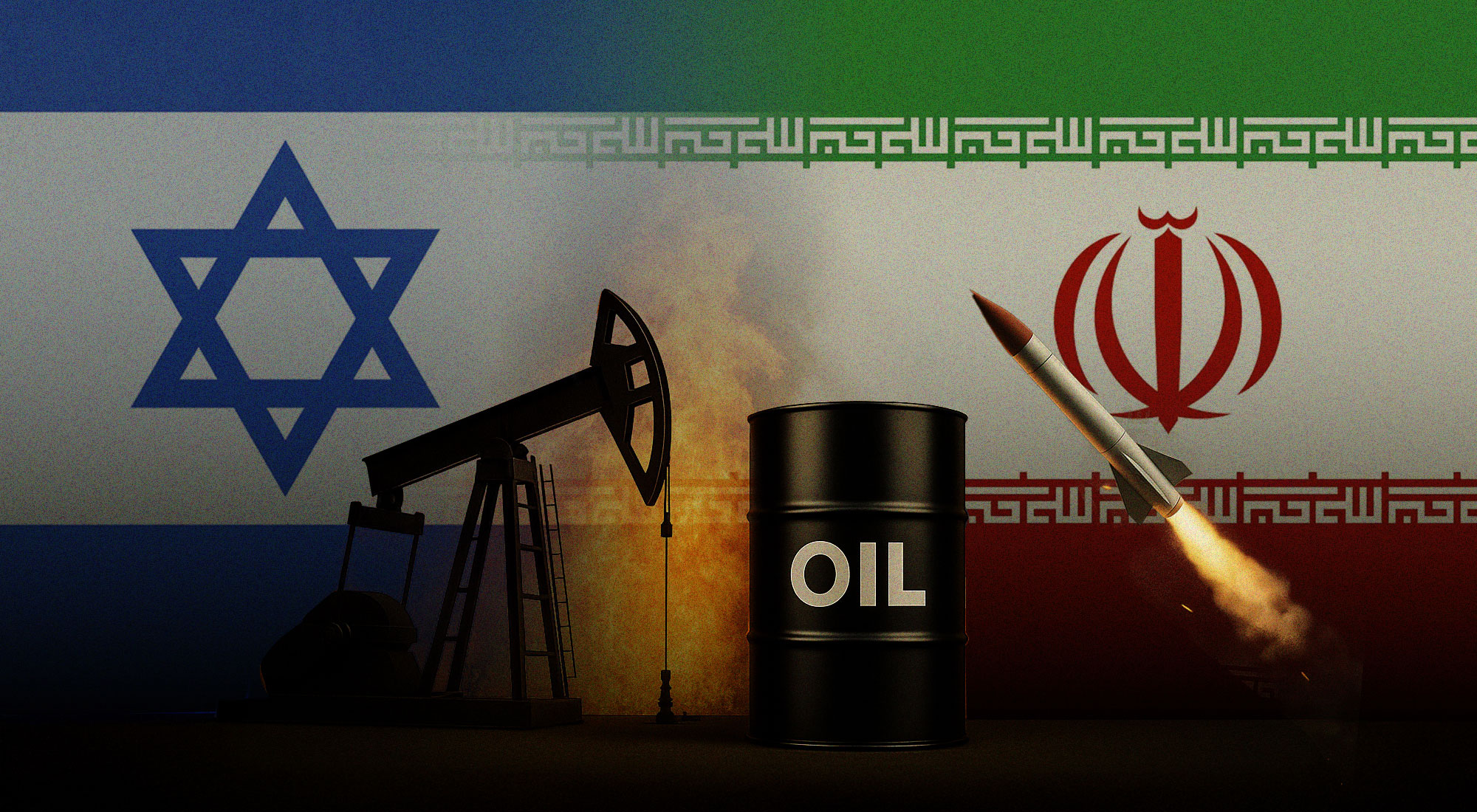
The geopolitical landscape is undergoing a significant recalibration, directly impacting global energy logistics and elevating operational costs across crucial trade corridors. Federal Minister for Commerce Jam Kamal Khan has highlighted that the ongoing conflict in the region is fundamentally affecting the entire trade ecosystem. Consequently, this situation could disrupt vital energy supply routes and strategically increase logistics expenditures. This foundational shift necessitates a precise, forward-thinking approach to national economic stability and resource security.
The Translation: Deconstructing Global Energy Logistics Shifts
The core of this challenge lies in understanding the interconnectedness of international trade routes and energy supply lines. Specifically, the Gulf region functions as an indispensable energy supply corridor, crucial for numerous nations worldwide. The prevailing tensions introduce systemic vulnerabilities into what was previously a fluid movement of goods and shipments. Essentially, the conflict introduces a structural impediment to established shipping operations and maritime trade, impacting the predictable flow of resources.
Calibrating Supply Chain Dynamics
A direct consequence of these rising tensions is the upward trajectory of insurance and logistics costs. Minister Khan specified that “some effects related to container risk, insurance, and other logistical expenses have already begun to appear.” This escalation fundamentally alters the economic baseline for trade and shipping operations, forcing entities to re-evaluate their operational frameworks. Therefore, businesses and governments must strategize for a higher cost environment, anticipating sustained pressures on supply chain economics.
The Socio-Economic Impact: Daily Life in a Shifting Landscape
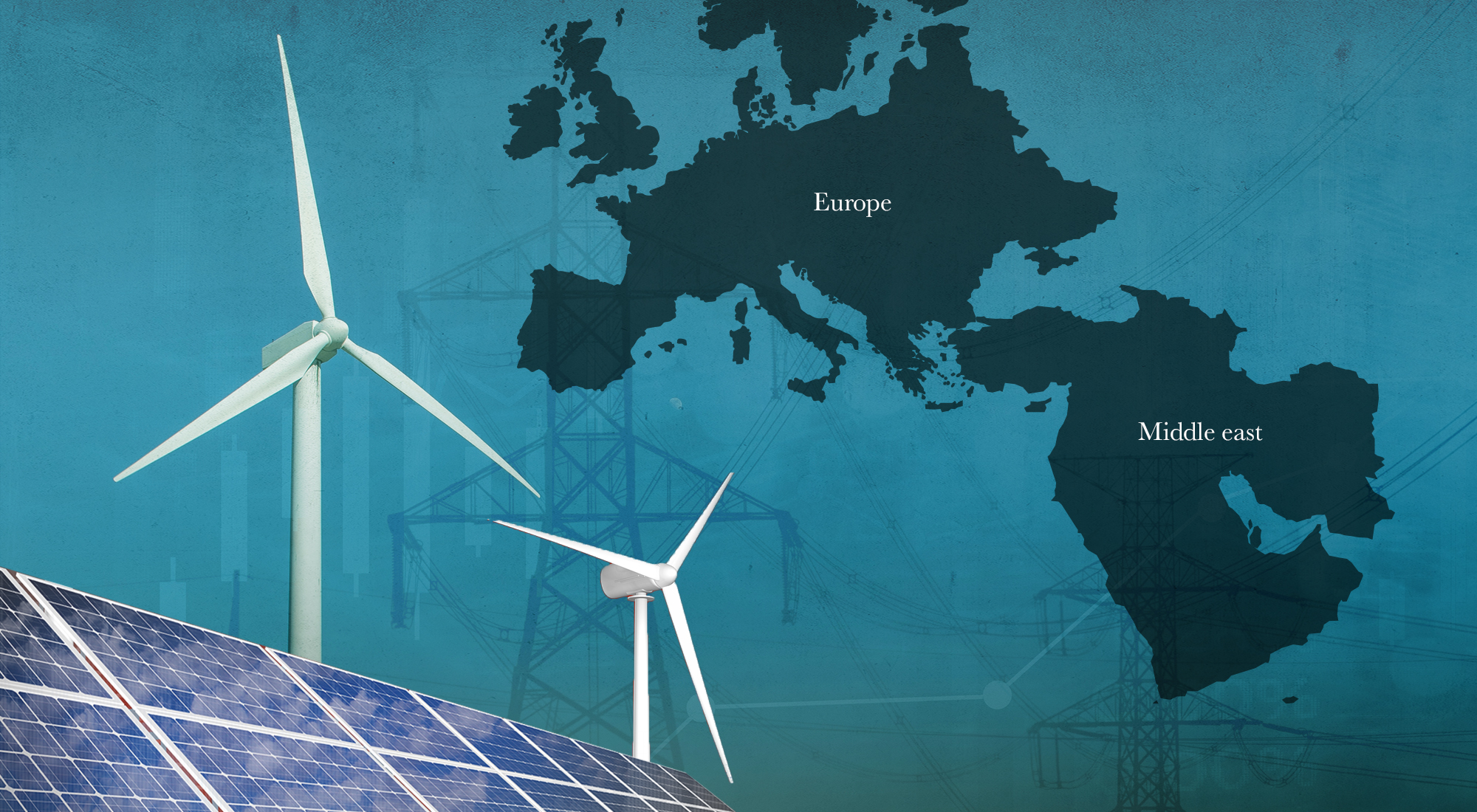
For the average Pakistani citizen, these macro-economic shifts translate directly into tangible daily life adjustments. Higher logistics costs, a direct outcome of disruptions in global energy logistics, inevitably lead to increased prices for imported goods and potentially higher fuel costs. Urban professionals may experience a ripple effect on disposable income, while rural households might face greater challenges accessing affordable commodities. This scenario places an imperative on the government to stabilize pricing mechanisms and secure essential supplies to safeguard household budgets.
Mitigating Domestic Vulnerability
Pakistan’s strategic response is calibrated for resilience. Minister Khan confirmed that liquefied natural gas (LNG) imports from Qatar will maintain their trajectory, ensuring a stable baseline for national energy needs. Furthermore, the availability of alternative fuel options provides a critical contingency against unforeseen disruptions. Shipping lines responsible for Pakistan’s imports and exports are mandated to ensure the continuity of trade operations, underscoring a proactive governmental stance. While external factors remain beyond absolute control, Pakistan’s leadership is closely monitoring the situation, prepared to enact necessary adjustments.
The Forward Path: A Stabilization Move
This development represents a “Stabilization Move.” The government’s articulated strategy, centered on maintaining existing energy supply agreements and exploring contingencies, is designed to buffer Pakistan from the full impact of external volatility. It demonstrates a disciplined effort to maintain economic equilibrium and ensure resource security rather than initiating a radical “Momentum Shift.” This tactical approach is crucial for navigating an increasingly complex global trade environment with calibrated precision.








