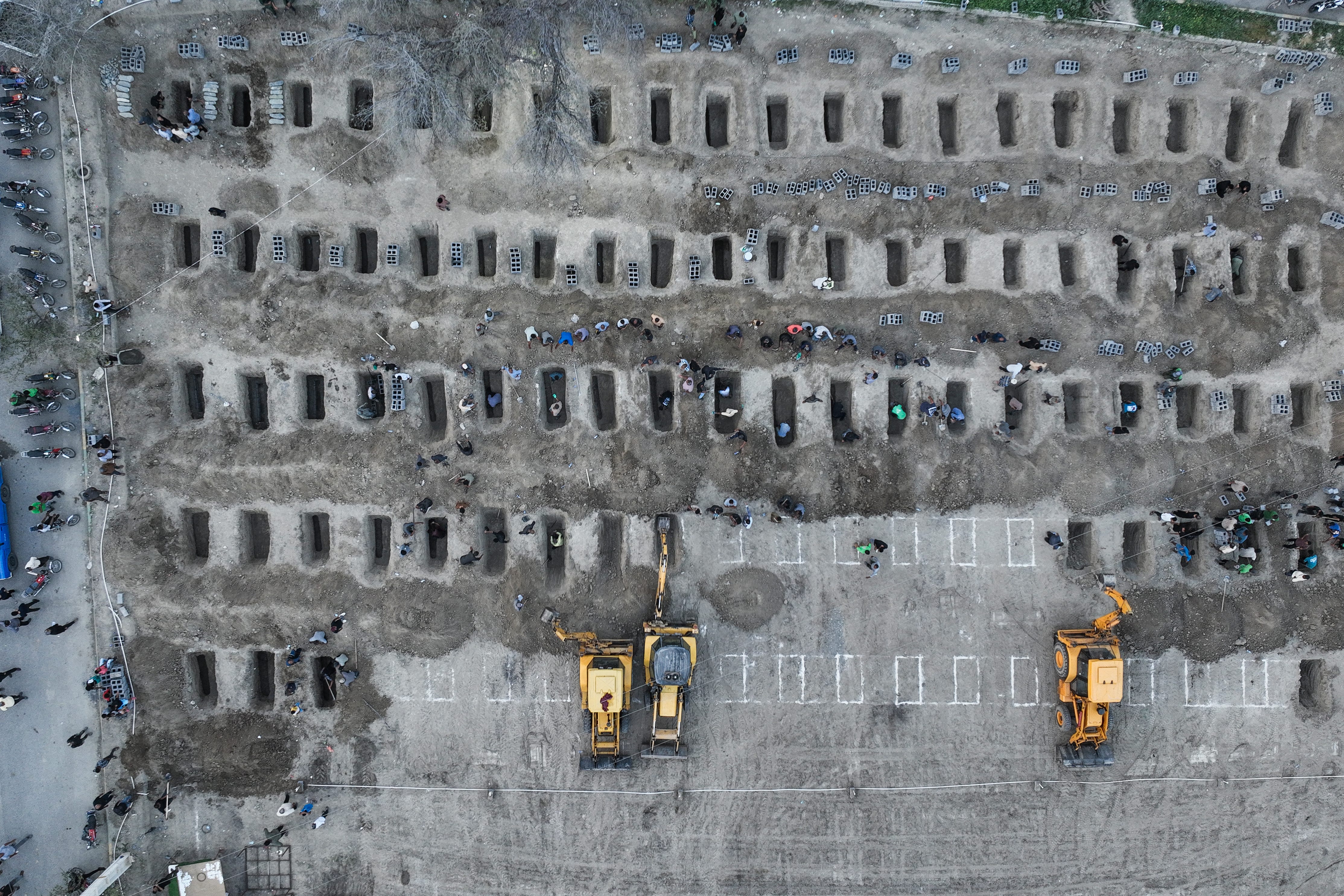
In a decisive move to bolster Kuwait Food Security, the government has implemented a nationwide ban on all food product exports across land, sea, and air ports. This strategic directive, initiated by Ministerial Decision No. (20) of 2026, aims to stabilize local markets and safeguard national food supplies amidst evolving regional dynamics. Consequently, this action underscores a calibrated approach to maintaining robust domestic provisions and protecting national interests.
The Translation: Deconstructing Kuwait’s Strategic Food Policy
The recent declaration by the General Administration of Customs mandates an absolute cessation of food product outflow from Kuwait. This is not merely an administrative adjustment; it is a structural response to potential supply chain vulnerabilities. Specifically, Ministerial Decision No. (20) of 2026 empowers the Minister of Commerce and Industry to enact such measures, prioritizing national sustenance. Therefore, customs officials have received explicit instructions to enforce this ban rigorously, ensuring zero tolerance for violations. Data indicates that continuous inspections confirm all monitoring indicators remain within safe operational limits, affirming the precision of this policy.
The Socio-Economic Impact: Fortifying Daily Life for Pakistani Citizens
While implemented in Kuwait, such strategic trade policies hold indirect but significant lessons for nations like Pakistan, particularly concerning national food supply stability. For the average Pakistani household, a robust food security framework in neighboring economies can indirectly influence regional commodity prices and trade flows. Students in economic disciplines, furthermore, can analyze this as a baseline case study in proactive governance during periods of geopolitical flux. Professionals in agriculture and logistics, moreover, gain insights into the critical importance of diversified supply chains and emergency response planning. This event highlights the universal imperative for nations to secure their populace’s fundamental needs, potentially informing Pakistan’s own future strategic trade policy decisions.
The “Forward Path”: A Stabilization Move for Regional Resilience
This export ban represents a clear Stabilization Move rather than a “Momentum Shift” for regional trade dynamics. Kuwait’s decision is a calibrated defense mechanism, structurally designed to insulate its domestic market from external volatilities. It reflects a prudent, rather than expansive, posture in resource management. This proactive step ensures baseline stability in food availability, thereby mitigating internal socio-economic pressures. Consequently, other nations might view this as a precedent for safeguarding national interests through strategic self-reliance in critical sectors. This action reinforces the principle that foundational stability is a prerequisite for long-term national advancement.