Pakistan is strategically preparing to implement significant fuel price adjustments, shifting to weekly petroleum price revisions to calibrate with global market volatility. This structural change aims to compensate oil marketing companies for surging insurance and freight costs, a direct consequence of the Strait of Hormuz closure that strains global energy trade and inflates import bills. A critical summary outlining these measures awaits urgent approval from the federal cabinet’s Economic Coordination Committee, ensuring national energy security amidst external pressures.
The Translation: Calibrating to Global Energy Dynamics
The proposed transition from fortnightly to weekly fuel price adjustments represents a precise calibration to international market realities. Officials estimate immediate price differentials have escalated to approximately Rs. 45-50 per liter for diesel and Rs. 25-26 for petrol within the first week of the Strait of Hormuz disruption. Furthermore, the risk of further increases persists if supply constraints continue, necessitating a more agile pricing mechanism.
This proactive measure is designed to rapidly pass through higher international costs. Consequently, it prevents the accumulation of substantial financial gaps on company balance sheets, thereby safeguarding the liquidity and operational stability of state-run and private oil firms. Without this strategic relief, oil marketing companies (OMCs) could scale back vital imports or declare force majeure, which would severely threaten domestic fuel availability.
Economic Pressures on Oil Marketing Companies
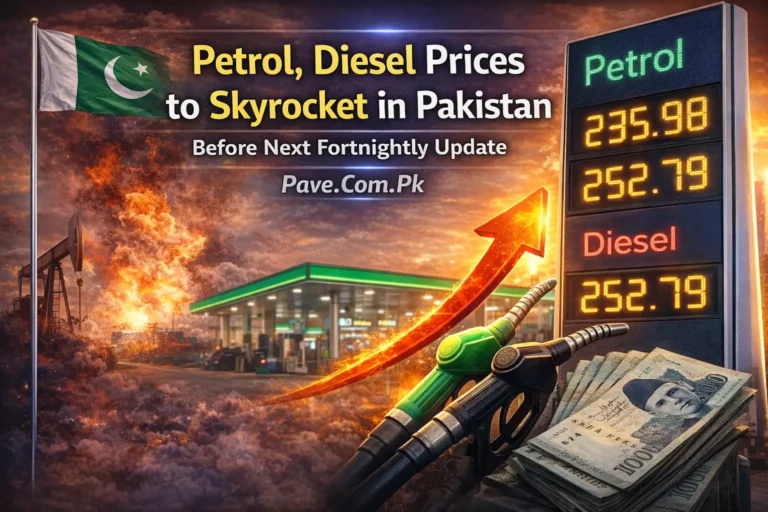
The global energy landscape has seen unprecedented cost escalations. Insurance premiums for oil cargoes, for instance, have surged dramatically from approximately $30,000 per vessel to nearly $400,000. Similarly, freight rates have surpassed $4 million per shipment, a stark increase from roughly $900,000 before the crisis. Additionally, import premiums for petroleum products have significantly widened, eroding critical margins for OMCs and refiners alike. These financial pressures necessitate the government’s intervention to stabilize the supply chain.
The Socio-Economic Impact: Stabilizing Daily Life
These impending fuel price adjustments will directly impact the daily economic calculus for Pakistani citizens. For urban and rural households, an increase in fuel prices translates to higher transportation costs, affecting commutes for professionals and students, and increasing the cost of goods due to elevated freight charges. Furthermore, small businesses relying on fuel for logistics and operations will face amplified operational expenses, potentially affecting pricing and profit margins.
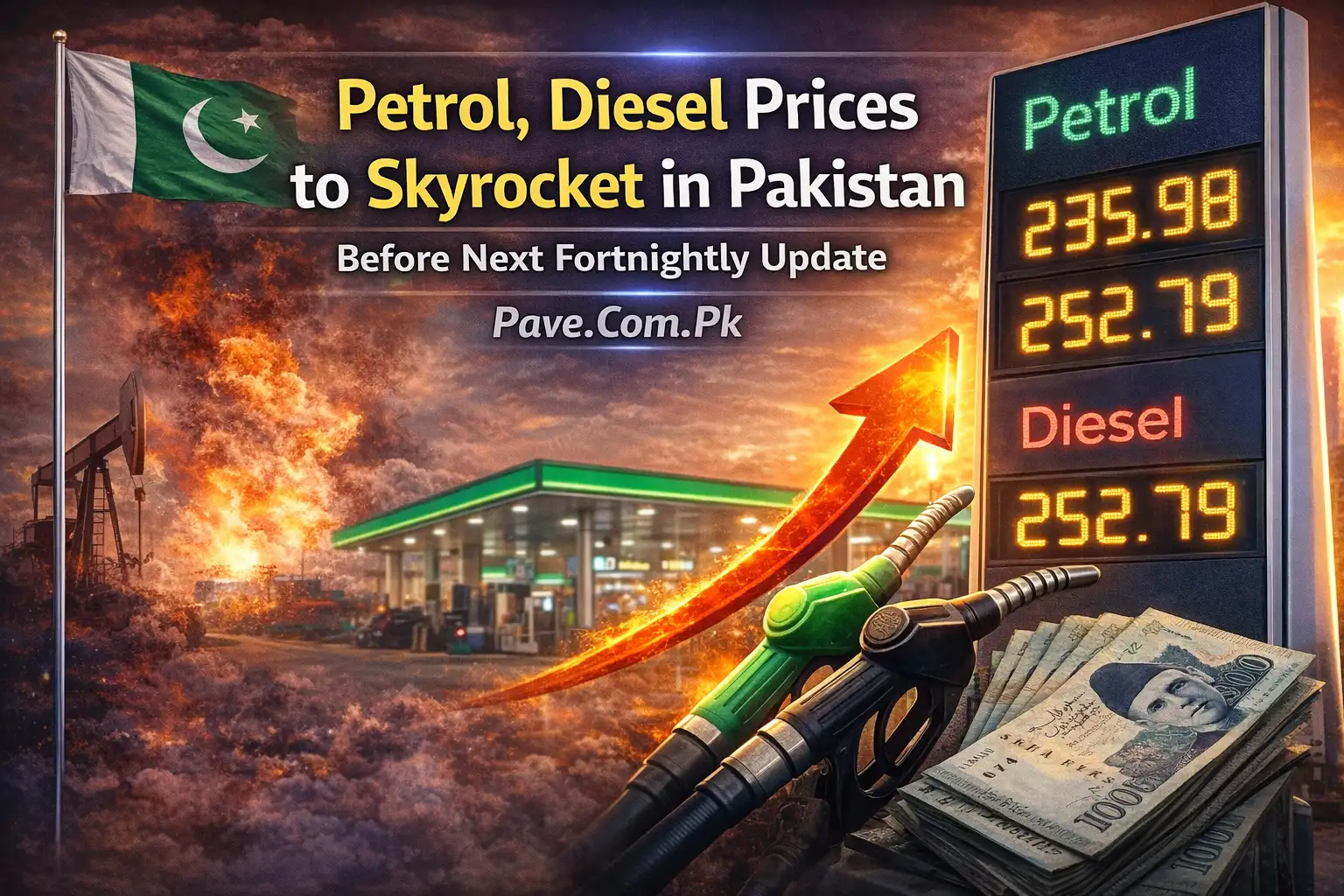
The proposed compensation mechanism aims to ensure uninterrupted fuel supplies. Therefore, while price increases are an immediate concern, the underlying objective is to prevent critical shortages that would cause far greater disruption to daily life and economic activity. This move prioritizes consistent availability, a foundational requirement for national stability and economic flow.
The Forward Path: A Strategic Stabilization Move
From a systemic perspective, this development represents a Stabilization Move rather than a sudden Momentum Shift. Pakistan State Oil (PSO) has already initiated proactive measures, floating precautionary tenders for petrol and diesel sourced outside the traditional Gulf route. Moreover, the company is actively exploring alternative supplies via the Red Sea, including potential shipments from Saudi Arabia, to mitigate risks associated with the Gulf shipping lanes. This diversification strategy underscores a commitment to energy resilience.

Authorities confirm the nation maintains a robust reserve, with over 500,000 tons each of petrol and diesel, providing nearly four weeks of national cover. Nevertheless, concerns persist regarding prolonged trade bottlenecks. The cabinet committee, led by Finance Minister Muhammad Aurangzeb, is meticulously reviewing contingency plans. The objective is to maintain critical liquidity within fuel markets and to safeguard supply chains amidst the sustained volatility impacting global energy corridors. This disciplined approach seeks to fortify Pakistan’s energy infrastructure against external shocks.