
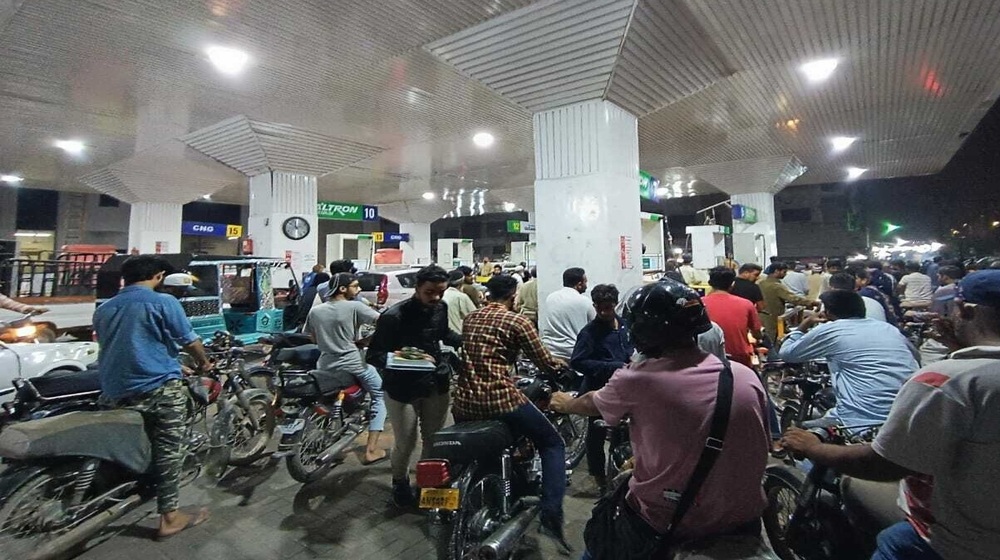
Optimizing National Fuel Stock Monitoring: A Strategic Imperative
Pakistan’s strategic imperative for fuel stock monitoring intensifies, as the Prime Minister’s Committee to Monitor Petrol Prices convenes under Federal Minister for Finance, Senator Muhammad Aurangzeb. This proactive measure aims to calibrate national energy resilience amidst dynamic regional and global conditions. The committee meticulously assesses petroleum stock levels and supply chains, ensuring robust national preparedness. Expert participants received precise data on national crude oil and refined petroleum product inventories, encompassing petrol, diesel, aviation fuels, and LPG. Crucially, this briefing included detailed analysis of current stock longevity and daily consumption metrics, providing a baseline for structural interventions.
The Translation: Decoding Energy Security Measures
This initiative represents a granular analysis of Pakistan’s energy infrastructure. It moves beyond superficial reporting to deeply scrutinize actual crude oil and refined product reserves. The government is not merely observing; it is actively mapping vulnerabilities within the supply chain, from global transit routes to domestic distribution. Furthermore, precise consumption patterns are being evaluated to project future demand, allowing for pre-emptive procurement strategies. Consequently, this translates into a systematic approach to buffer Pakistan against potential international energy shocks, ensuring a consistent energy supply for industries and households.
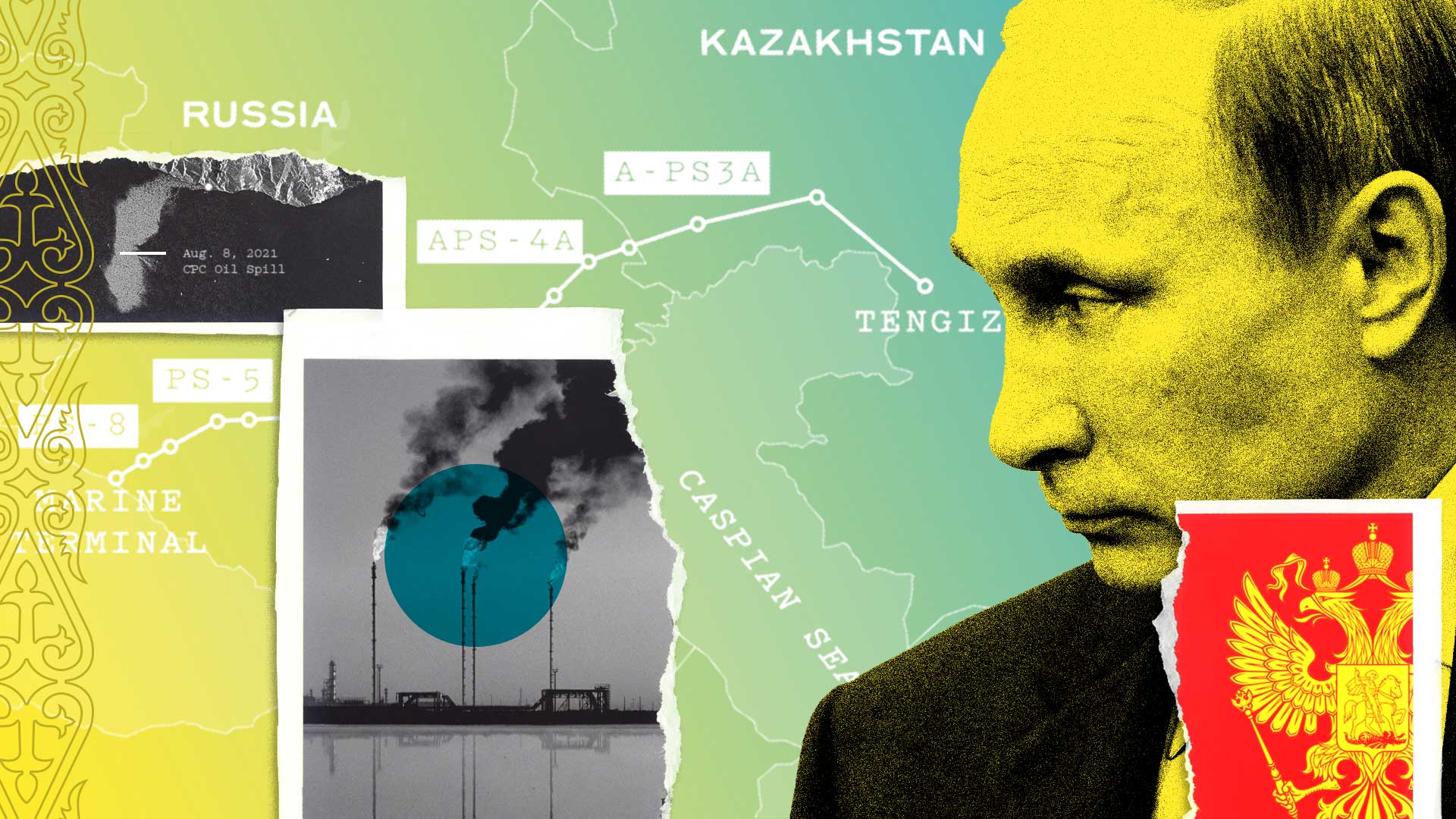
Socio-Economic Impact: Stabilizing Daily Life for Pakistanis
How does this directly impact the average Pakistani citizen? This enhanced fuel stock monitoring directly correlates with stable fuel prices and uninterrupted access to essential energy resources. For urban commuters, professionals, and rural farmers alike, predictable fuel availability translates into stable transportation costs and reliable power for agricultural machinery. Students benefit from an environment where supply chain disruptions are minimized, allowing for consistent educational and economic activities. Essentially, these strategic interventions protect households and businesses from erratic price spikes and supply shortages, fostering a more stable economic environment across Pakistan.
- Students: Reduced disruption to transport, ensuring consistent attendance.
- Professionals: Predictable commuting costs and stable operational expenses for businesses.
- Households: Consistent availability of LPG for cooking and heating, preventing critical shortages.
- Farmers: Reliable diesel supply for agricultural machinery, supporting food security.
The Forward Path: A Momentum Shift Towards Resilience
This development signifies a Momentum Shift towards enhanced energy resilience. By establishing a robust, data-driven framework for fuel stock management, Pakistan is moving beyond reactive crisis management to proactive strategic planning. The systematic engagement with global market dynamics, diversification of sourcing routes, and internal coordination mechanisms demonstrate a structural commitment to national energy security. This foundational work will enable calibrated responses to future volatilities, positioning Pakistan for long-term stability in its energy sector.
Calibrating Global Market Trajectories and Domestic Logistics
Furthermore, the committee rigorously analyzed global oil market trajectories. This included evaluating international benchmark price fluctuations, freight and insurance expenditures, and critical shipping route dynamics. The current volatility in the international energy environment, particularly concerning the Strait of Hormuz, presents a structural challenge to global energy trade. Concurrently, developments within LNG and LPG markets underwent thorough review. Long-term LNG contracts form a foundational component of Pakistan’s energy supply; however, potential regional shipping disruptions could impact global LNG logistics. Consequently, the monitoring of LPG inflows via cross-border channels is also rigorously enforced to guarantee uninterrupted domestic availability.

Fortifying Supply Security Through Strategic Diversification
To fortify national energy security, the committee deliberated on a range of strategic contingency measures. These included calibrated engagement with international partners and the systematic exploration of alternative sourcing routes. Officials received updates on sustained diplomatic and commercial initiatives with allied nations to secure supplementary crude oil and petroleum supplies as required. The committee acknowledged proactive efforts to diversify procurement pathways, leveraging regional energy hubs. This includes potential logistical arrangements through ports in the Red Sea and Gulf region, critical for sustaining refinery operations and augmenting overall supply chain resilience.
Strategic Energy Use: Enhancing National Preparedness
Energy conservation protocols were concurrently reviewed as an integral component of comprehensive contingency planning. The objective is to manage demand with precision while upholding stable market conditions. The committee underscored that despite current stable supply conditions, strategic energy use at every level will demonstrably enhance national preparedness against persistent international uncertainties. Federal Minister Aurangzeb firmly articulated that the uninterrupted availability of petroleum products constitutes the government’s paramount priority, structurally guiding all policy formulations. He confirmed the Committee’s daily monitoring of global and domestic developments, affirming its readiness to deploy timely, coordinated interventions to safeguard national energy security and sustain domestic market stability.
Preventing Market Disruptions: Vigilance and Coordination
Furthermore, the committee emphasized the critical importance of preventing hoarding, diversion, or illicit smuggling of petroleum products, especially during periods of international market flux. Consequently, relevant authorities have received directives to maintain heightened vigilance and reinforce coordination with provincial administrations. A pivotal decision mandates the participation of all provincial Chief Secretaries in the forthcoming committee meeting. Their involvement will facilitate deliberation on the final summary and the proposed national action plan. The Committee will systematically progress towards finalizing a comprehensive, nationwide implementation strategy, ensuring robust cooperation from all stakeholders.
The strategic session convened a high-level delegation, including Federal Minister for Petroleum Ali Pervaiz Malik, Federal Minister for National Food Security and Research Rana Tanveer Hussain, Federal Minister for Power Sardar Awais Ahmad Khan Leghari, and Minister of State for Finance Bilal Azhar Kayani. Federal secretaries and senior officials from pertinent ministries, divisions, and regulatory bodies also contributed to the proceedings, ensuring a synchronized national effort.








