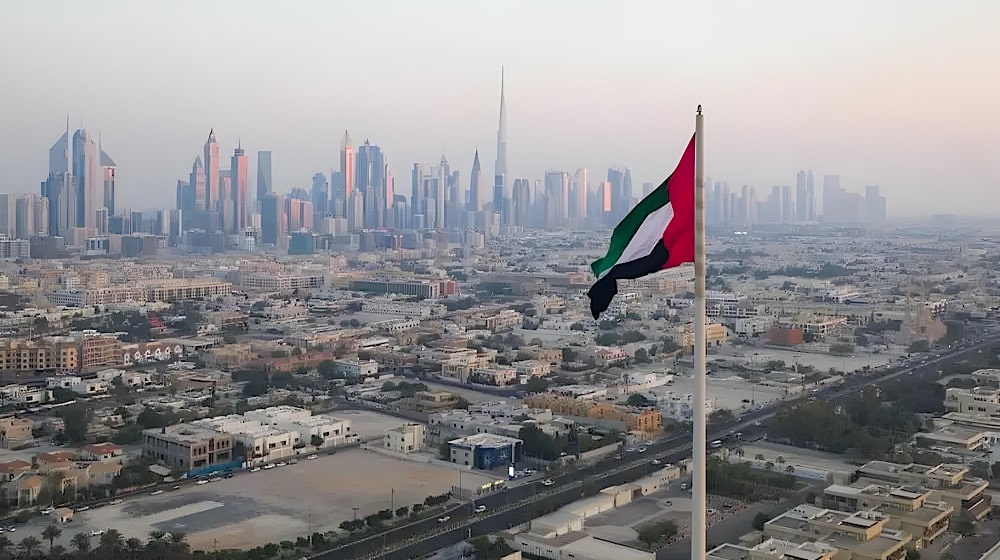
The UAE is executing a calibrated, nation-wide pivot towards hybrid and remote work models, establishing a robust framework for operational continuity amidst regional volatility. This strategic imperative directly addresses employee safety and well-being, signifying a structural evolution in corporate flexibility. Consequently, the pervasive implementation of UAE remote work policies is reshaping traditional employment paradigms across the Emirates, positioning the nation as a leader in adaptive workforce management.
Optimizing Operational Resilience: The Strategic Shift in UAE Remote Work
Companies within the UAE have decisively integrated remote work frameworks, allowing employees to operate from home where operational feasibility permits. Furthermore, organizations are proactively adjusting working hours, enhancing internal communications, and streamlining reporting structures. This ensures both sustained productivity and high employee morale during periods of uncertainty. Sanjeev Giri, Head of Operations at Adecco UAE, confirms this embedded flexibility, stating that businesses are now structurally better prepared to adapt with agility.
The UAE Ministry of Human Resources and Emiratisation issued a directive advising private sector employers to significantly reduce employee presence in exposed areas. They explicitly mandated remote work implementation whenever possible, exempting only critical, essential job functions. Moreover, employers are accommodating staff stranded abroad due to flight suspensions and airspace closures. They offer flexible arrangements, including remote work, paid leave, or temporary unpaid leave, without imposing penalties. Nicki Wilson, Executive Director at Genie Recruitment, highlights that employers are prioritizing empathy, transparency, and proactive communication. This strategy is calibrated to ensure optimal workforce engagement and retention, even amidst complex regional dynamics.
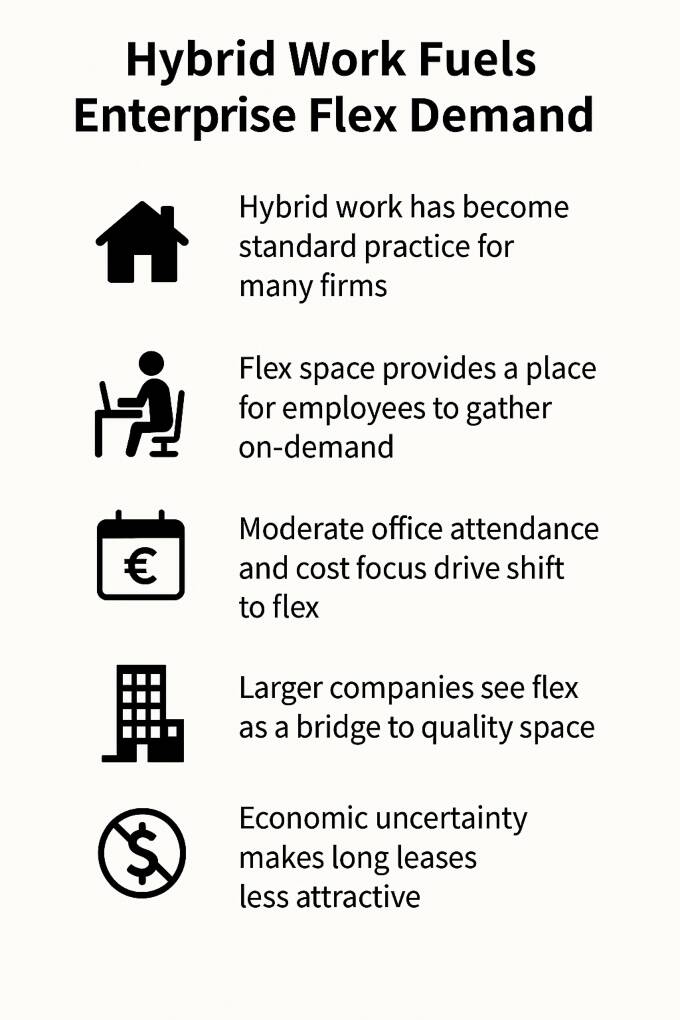
The Translation: Securing Stability Through Systemic Flexibility
This widespread adoption of flexible work isn’t merely a reactive measure; it represents a fundamental recalibration of the UAE’s corporate infrastructure. The logic is clear: by decentralizing the workforce and empowering remote operations, companies minimize physical exposure risks while maintaining seamless business functions. This systemic change moves beyond simple policy adjustments; it embeds resilience directly into the organizational design. The government’s clear mandate provides a crucial baseline, ensuring widespread adherence and a unified national response.
Catalytic Socio-Economic Impact for Pakistani Professionals
For Pakistani citizens residing or seeking opportunities in the UAE, this strategic shift carries profound socio-economic implications. Firstly, it offers enhanced job security and stability, as businesses demonstrate a proven capacity to continue operations regardless of external disruptions. Secondly, the increased flexibility in work arrangements can facilitate better work-life integration, potentially allowing individuals to maintain closer ties with their families while pursuing professional growth. Pakistani professionals observing the evolution of UAE remote work trends will find new avenues for career progression.
Professionals gain agency over their work environment, fostering a more inclusive and adaptive workplace culture. Students and aspiring professionals observing this trend will recognize the growing demand for digital literacy and adaptable skill sets. Consequently, the long-term impact involves a workforce that is not only safer but also more agile and equipped for future challenges, strengthening the overall economic baseline for those contributing from Pakistan.

The Socio-Economic Impact: Enhanced Security and Adaptability
This evolving work model directly translates into tangible benefits for Pakistani households. Reduced commute times, improved personal safety protocols, and the potential for geographic flexibility contribute to an elevated quality of life. Furthermore, it fortifies the economic pathways for Pakistani expatriates, ensuring their continued contribution to both the UAE economy and their home country’s development. This structural shift underpins a new era of professional resilience.
The Forward Path: A Momentum Shift Towards Adaptive Systems
This decisive move by the UAE does not merely represent a stabilization tactic; it signifies a profound Momentum Shift towards building inherently adaptive and resilient national systems. The nation is not simply reacting to external pressures; it is proactively embedding flexibility and employee well-being as core components of its economic and corporate infrastructure. This creates a more robust economic baseline, positioning the UAE as a global leader in progressive workforce management and strategic foresight. It establishes a powerful precedent for other nations to emulate, demonstrating how calibrated policy can drive both humanitarian outcomes and sustained economic progress.
The Forward Path: Cultivating Inherent Resilience
The UAE’s structural reforms in work policy are a clear indicator of long-term vision. This is a deliberate stride towards creating an economy that can withstand and thrive amidst any unforeseen challenges. By prioritizing human capital through flexible, safe work environments, the UAE catalyzes a new era of productivity and national advancement, moving beyond conventional paradigms of crisis response to architecting enduring stability.