A calibrated escalation in regional security dynamics is underway as a second wave of Middle East missile attacks has commenced, specifically targeting major cities. Qatar has reported new incoming threats, signaling an intensified confrontation beyond initial isolated strikes. This development follows Israel’s recent missile attack on Tehran and Iran’s subsequent robust response. Explosions have been heard across key Gulf locations, including Abu Dhabi, Bahrain, Kuwait, and Qatar. Furthermore, airspace restrictions and shelter-in-place advisories are actively being implemented to mitigate civilian and diplomatic staff risks. These multi-phase attacks underscore a critical shift towards sustained regional instability, demanding a structural re-evaluation of security protocols.
Decoding the Escalation: Understanding the Latest Middle East Missile Attacks
The recent intensification of hostilities in the Gulf region signifies a direct retaliatory sequence. Initially, Israel launched precision strikes against Tehran. Consequently, Iran initiated its response, which has now progressed into a second phase of missile engagements. This shift from singular events to coordinated, multi-location targeting—encompassing vital urban centers—reflects a strategic expansion of the conflict. The reports of simultaneous strikes and interceptions across multiple Gulf states indicate a sophisticated operational capacity. Additionally, these actions are intrinsically linked to Iran’s stated campaign of reprisal following earlier US-Israeli military actions. The intricate web of retaliatory actions calibrates regional tensions to a new baseline.

Socio-Economic Repercussions for Pakistani Citizens
This escalating situation will inevitably ripple through the daily lives of Pakistani citizens, particularly those in urban and rural areas. For professionals, especially those working in Gulf states, heightened security alerts and potential travel disruptions could impact livelihoods and mobility. Students and their families might face increased anxiety regarding regional stability, influencing decisions about international education or employment. Furthermore, the volatility in oil prices, a common consequence of Middle East instability, directly affects household budgets through increased fuel costs and inflationary pressures on essential commodities. The persistent threat environment necessitates robust contingency planning for expatriate communities and strategic economic safeguarding at a national level.

Strategic Trajectory: Momentum Shift or Stabilization Move?
This current phase of Middle East missile attacks represents a critical “Momentum Shift” rather than a mere “Stabilization Move.” The transition from isolated responses to sustained, multi-wave targeting indicates a deliberate recalibration of regional power dynamics. While governments like the UAE condemn these actions as violations of sovereignty and international law, reserving the right to respond, the operational reality points to an increasing militarization of regional disputes. This trajectory mandates a proactive and precise diplomatic framework from all stakeholders to prevent further uncontrolled escalation. A strategic disengagement mechanism is critical to re-establish a baseline of de-escalation.

Analyzing the Operational Spectrum of Missile Engagements
Further analysis indicates that Qatar is currently experiencing a sustained second round of missile activity. This suggests that the confrontation is structurally widening beyond initial, isolated strikes into continuous, multi-phase attacks. Consequently, this renewed threat environment has significantly heightened public anxiety and positioned security agencies across the Gulf on high alert. While comprehensive operational details remain unconfirmed in official public statements, this second wave is demonstrably linked to Iran’s defined retaliation campaign, following the earlier US-Israeli military actions.
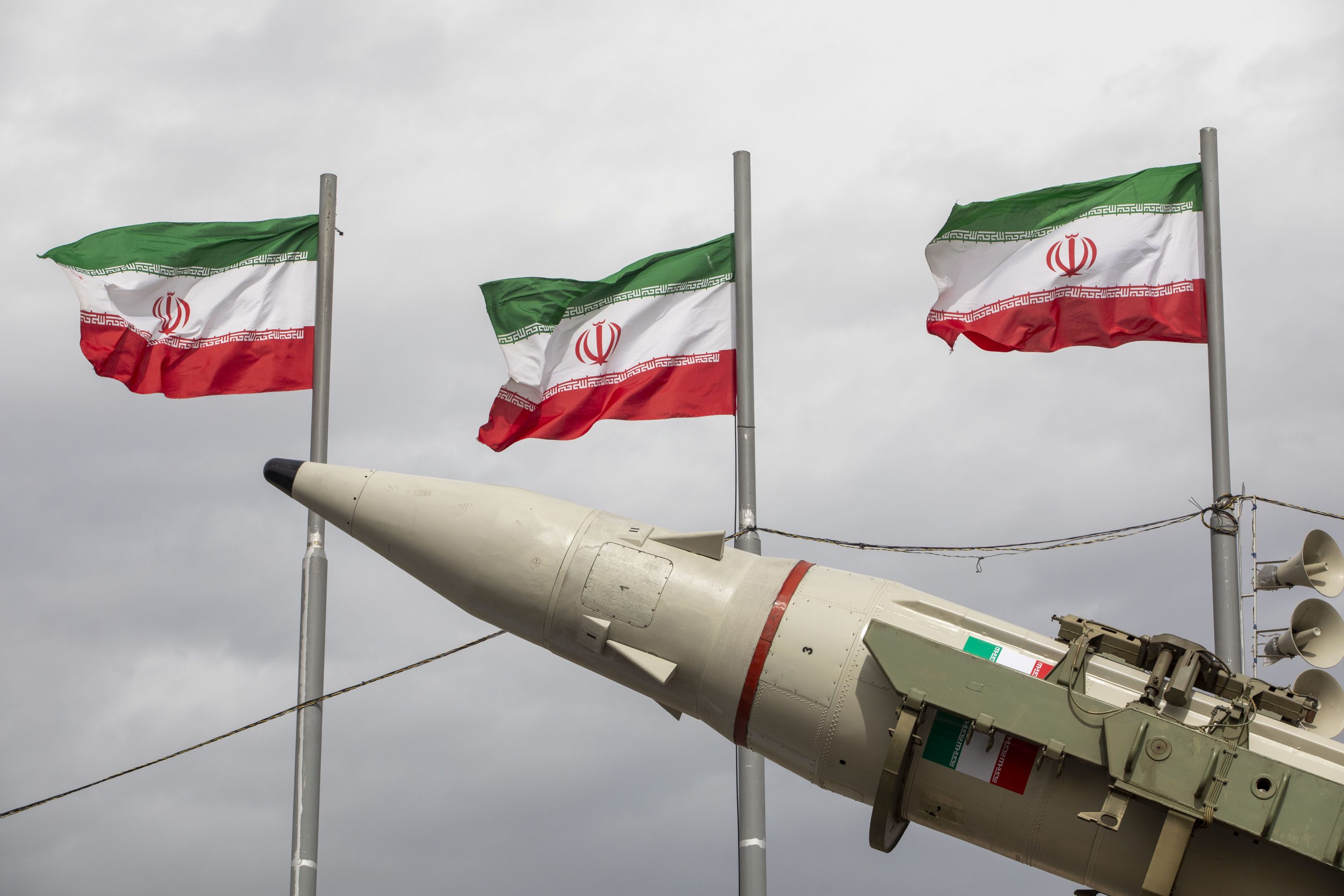
Reports from the field delineate a day of rapidly unfolding developments preceding this second wave. Iranian ballistic missiles reportedly targeted US-linked sites within the Gulf region. Claims of successful interceptions have emerged from multiple countries, including Qatar. Furthermore, widespread airspace closures are being reported across Qatar, Kuwait, and the UAE, directly attributable to these escalating security threats. These integrated developments underscore the critical need for a calibrated response to ensure regional stability.
International Law and Sovereign Response
The United Arab Emirates (UAE) has formally articulated its position, deeming these attacks a severe violation of both its national sovereignty and established international law. Accordingly, the UAE has explicitly stated its reservation of the right to implement a measured and proportionate response. This declaration highlights the critical legal and geopolitical ramifications of the ongoing Middle East missile attacks, emphasizing the collective demand for adherence to international norms. All regional governments and security agencies are expected to release further information on interceptions, impact sites, and public safety instructions as this situation remains in active development.