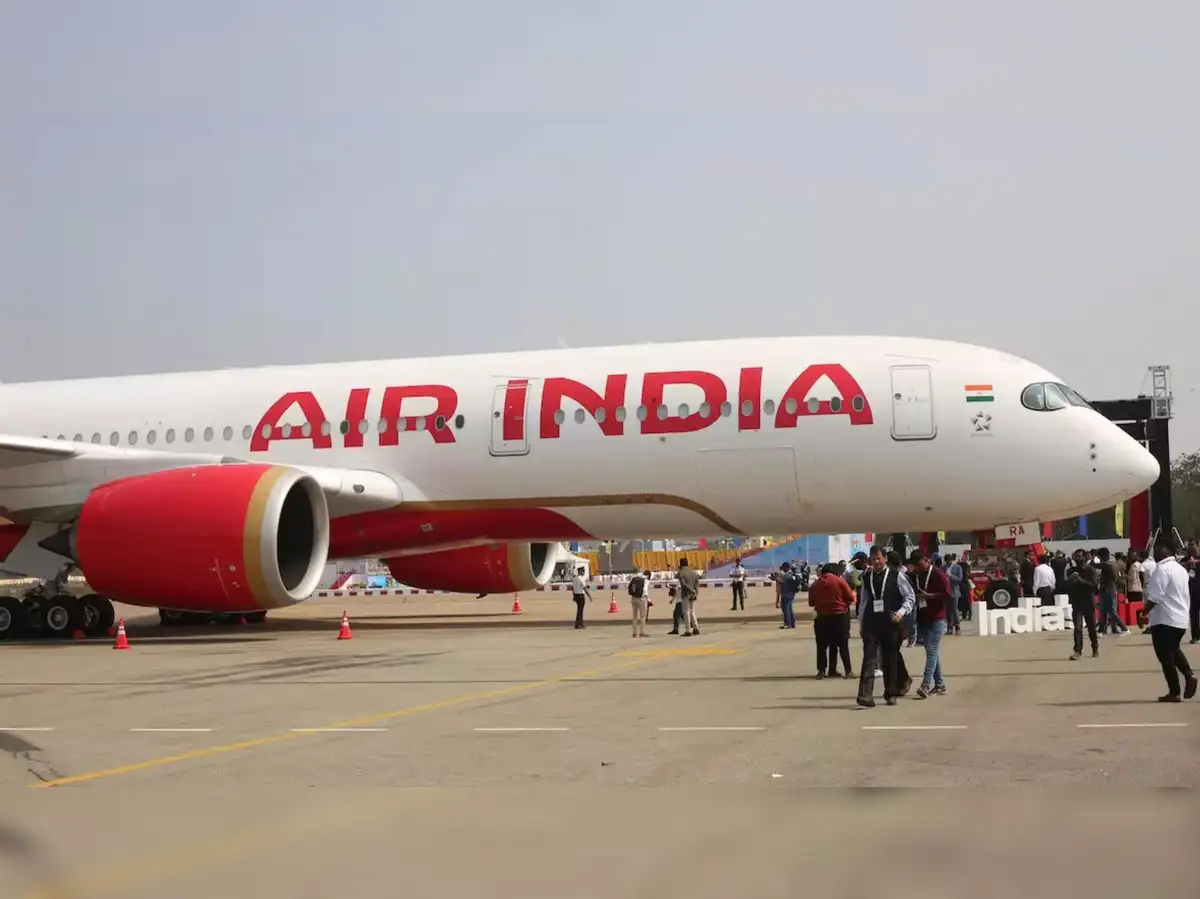
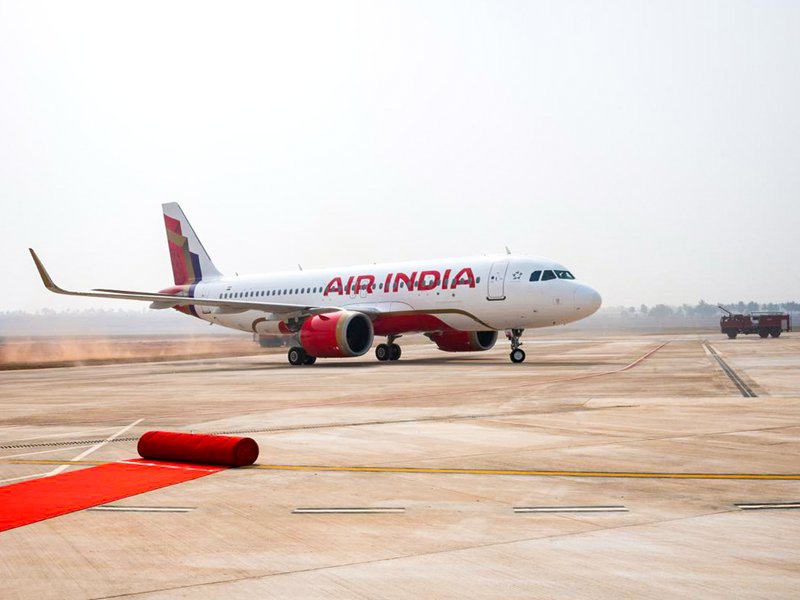
In a calibrated response to escalating geopolitical tensions, Air India has strategically suspended all Air India Middle East flights. This decisive action, directly influenced by heightened instability involving Iran, Israel, and the United States, prioritizes the inviolable safety of its passengers and crew. Consequently, travelers holding bookings for these routes must promptly contact the airline to arrange for refunds, rescheduling, or alternative travel solutions. The airline projects a resumption of operations only after a comprehensive assessment confirms regional airspace stability and assures optimal safety parameters.
Structural Adjustments: Impact on Air India Middle East Flights
This operational pause signifies more than a mere cancellation; it represents a pragmatic adaptation to a dynamic security landscape. Geopolitical shifts in the Middle East directly impact civilian air corridors, necessitating immediate adjustments by carriers like Air India. The airline’s proactive stance reflects an industry-wide commitment to mitigating risks, especially when navigating complex international airspace. Ultimately, this suspension is a structural pivot, designed to insulate passengers from potential hazards arising from regional conflicts, underscoring the baseline principle of aviation safety. This ensures the future integrity of Air India’s Middle East operations.
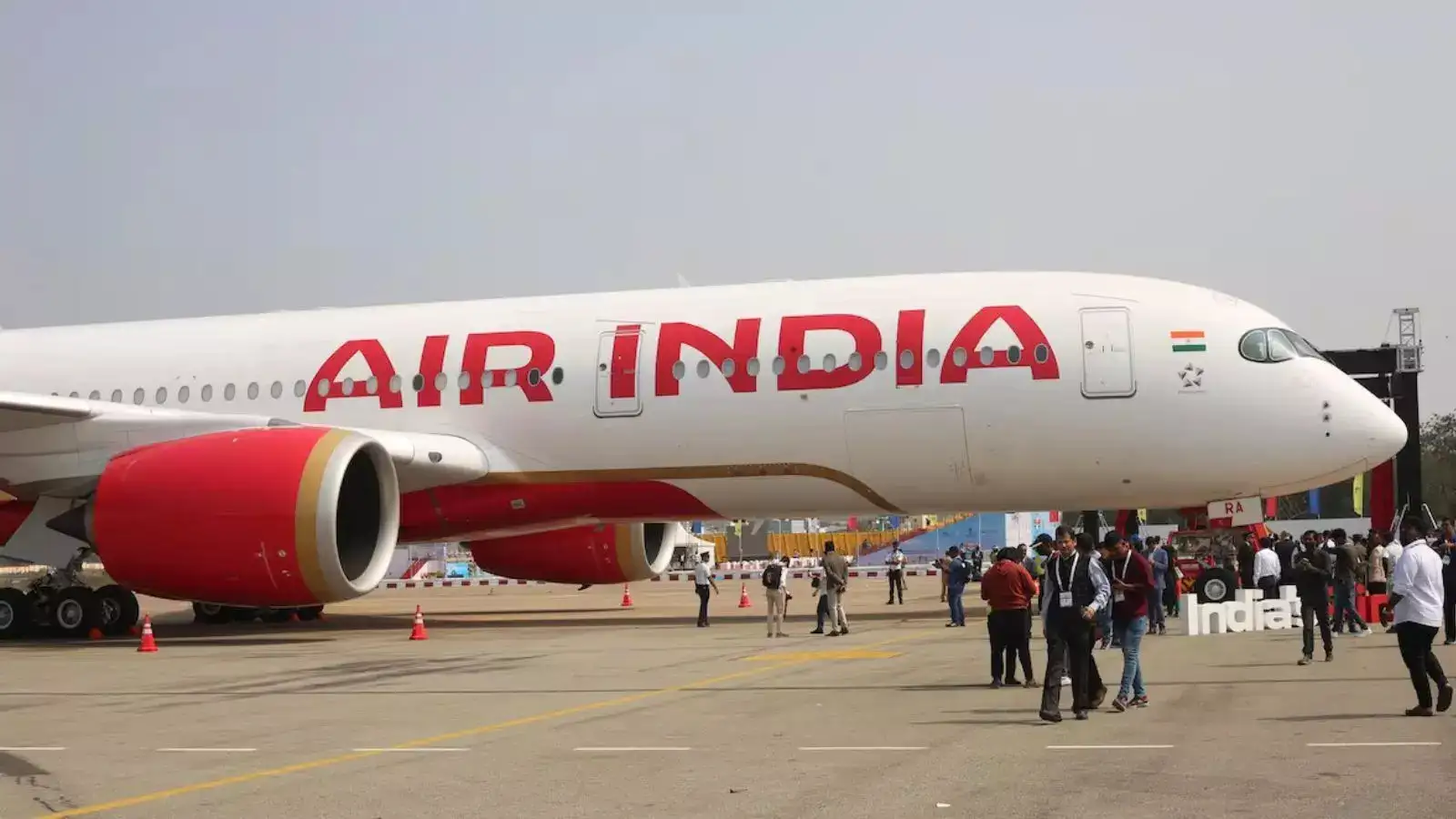
The Socio-Economic Impact: Middle East Travel Disruptions for Pakistanis
For Pakistani citizens, particularly students and professionals reliant on international connections, this suspension of Air India’s services to the Middle East creates immediate logistical challenges. Moreover, families planning pilgrimages or visiting relatives face unforeseen disruptions. Households across urban and rural Pakistan, anticipating travel via these routes, now require alternative transit plans, potentially incurring additional costs and extended travel times. This event underscores the critical need for diversified travel options and robust contingency planning for international travel from Pakistan, particularly given the reliance on regional air hubs.
- Students: Must reassess travel itineraries for academic pursuits.
- Professionals: Face delays in business travel and project timelines.
- Families: Experience significant inconvenience for personal and religious journeys.
- Economic Repercussions: Potential for reduced tourism and business interactions with affected regions.
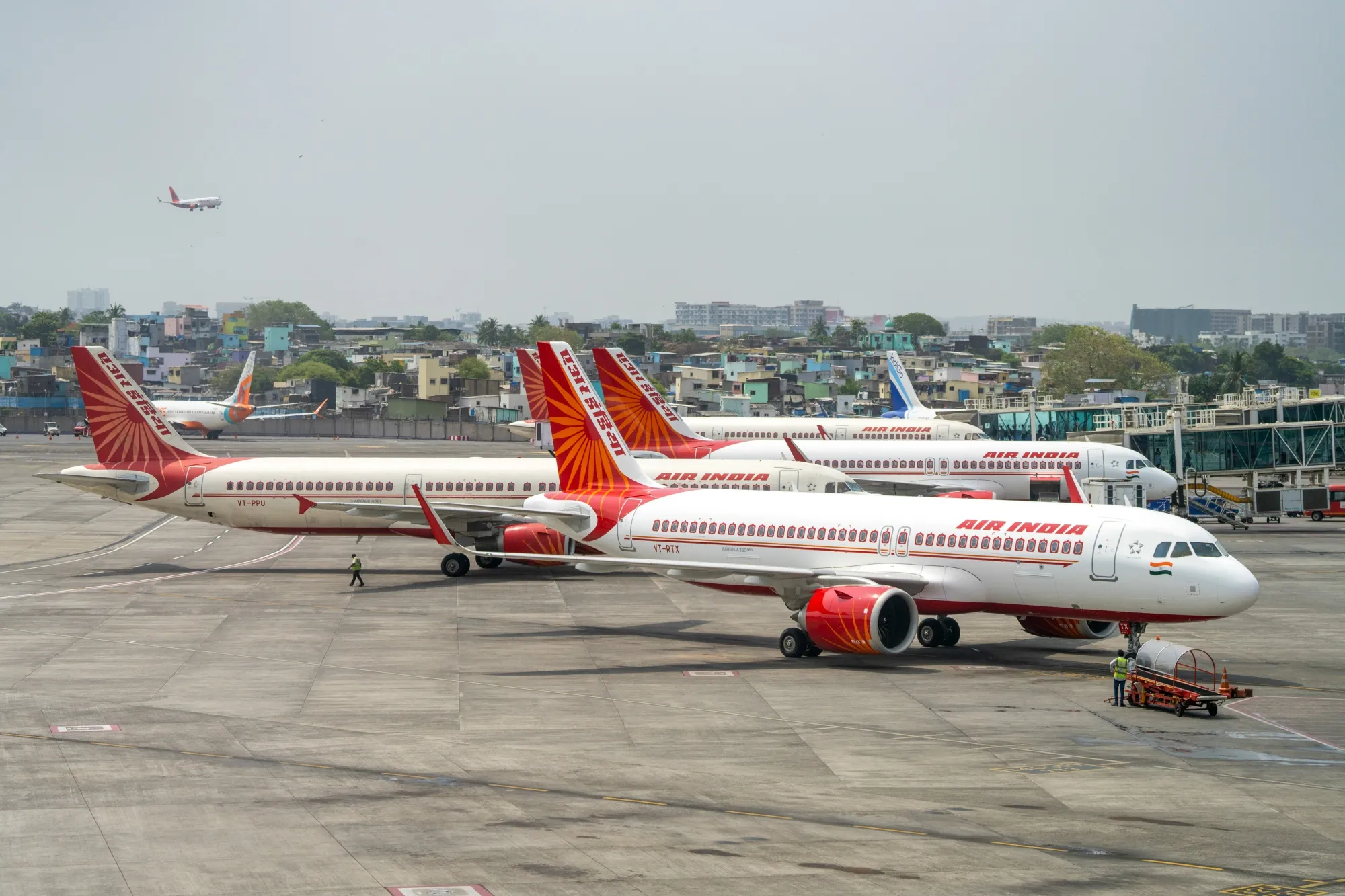
The “Forward Path”: A Stabilization Move for Air India’s Operations
This development fundamentally represents a “Stabilization Move.” While it temporarily curtails connectivity, it is a strategic measure to maintain operational integrity and passenger trust during a period of elevated risk. It is not a deceleration of progress, but rather a prudent calibration of flight paths to avoid potential flashpoints. Consequently, this action allows Air India to uphold its safety record, preparing for a definitive return to full service once geopolitical stability is re-established. The emphasis remains on a methodical, data-driven approach to resuming services, rather than premature re-engagement. Enhanced safety protocols will apply to all future Air India Middle East flights.
Furthermore, this incident serves as a catalyst for aviation stakeholders to enhance collaborative mechanisms for real-time threat assessment. Precision in intelligence sharing becomes paramount for airlines to make informed decisions swiftly. This proactive approach will fortify the global air travel system against unpredictable regional instabilities, ensuring a more resilient operational baseline for future challenges.