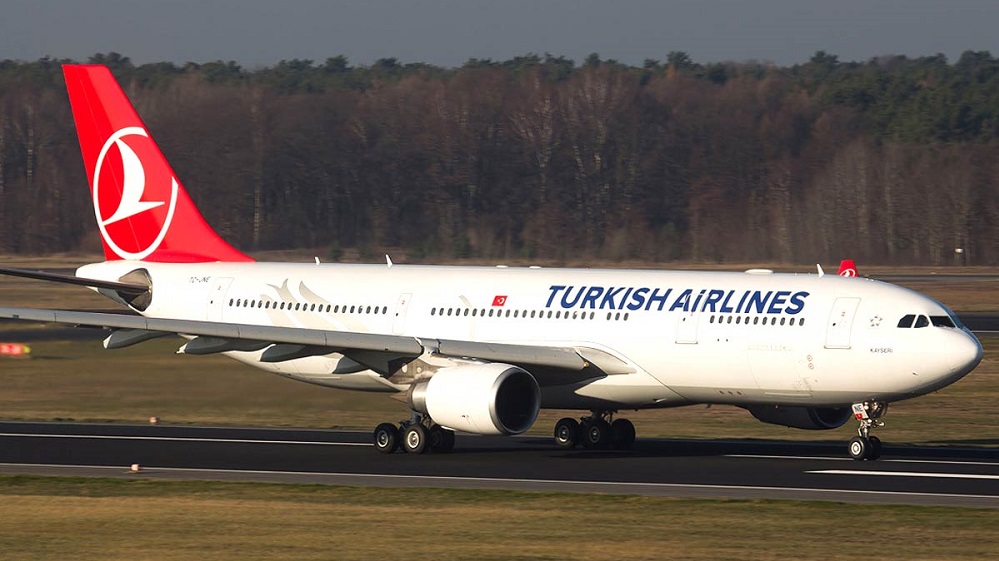
In a strategic response to escalating geopolitical tensions across the Middle East, Turkish Airlines has initiated significant flight cancellations to Lebanon, Syria, Iraq, Iran, and Jordan. This calibrated operational adjustment extends until March 2, 2026, directly impacting regional air travel infrastructure. The decision, informed by aviation and security analyses, aims to preemptively mitigate risks associated with heightened security concerns in the affected corridors.
Structural Response to Regional Volatility
This move by Turkish Airlines is a direct structural response to the pronounced regional escalations involving key actors such as Iran, the United States, and Israel. Consequently, air travel networks face considerable disruption, necessitating a precision-driven approach to passenger safety. Recent data illustrates numerous cancellations, particularly on routes from Istanbul to Tehran, underscoring the inherent volatility impacting ingress and egress points within the region’s airspace. This baseline adjustment prioritizes the integrity of aviation operations over routine scheduling.
Operational Adjustments and Passenger Protocol
For individuals holding bookings on the affected Turkish Airlines routes, immediate action is advised. Passengers must proactively engage with Turkish Airlines to ascertain updated schedules, explore refund eligibility, or facilitate rebooking options. This direct communication protocol ensures that each traveler receives precise, tailored guidance for their altered itineraries. Furthermore, the airline’s official channels remain the definitive source for critical travel advisories and operational updates. Specifically, passengers should consider:
- Contacting Turkish Airlines directly for the latest flight status.
- Inquiring about full refunds for cancelled segments.
- Exploring flexible rebooking alternatives for future travel.

The Socio-Economic Impact on Pakistani Citizens
For Pakistani citizens, these Turkish Airlines cancellations transcend mere travel disruption. They represent a tangible impact on socio-economic connectivity. This is particularly true for those with familial or professional ties to the Middle East. Students pursuing education, professionals engaged in regional projects, and families planning visits will consequently face significant logistical hurdles. Furthermore, indirect economic implications may arise from reduced business travel and constrained supply chain movements. This could potentially affect small businesses reliant on regional trade and expatriate remittances. Ultimately, this situation necessitates a proactive recalibration of travel plans and communication strategies for countless households.
The Forward Path: A Stabilization Move
From an analytical standpoint, this development represents a “Stabilization Move.” It is not a momentum shift towards new regional connectivity but rather a tactical retreat to secure existing operational baselines amidst emergent threats. Turkish Airlines, as a major international carrier, is implementing a necessary, albeit restrictive, measure to ensure passenger and crew safety. Consequently, this action reinforces the imperative for calibrated risk assessment in dynamic geopolitical environments. While disruptive, it establishes a prudent precedent for managing aviation security in volatile corridors.