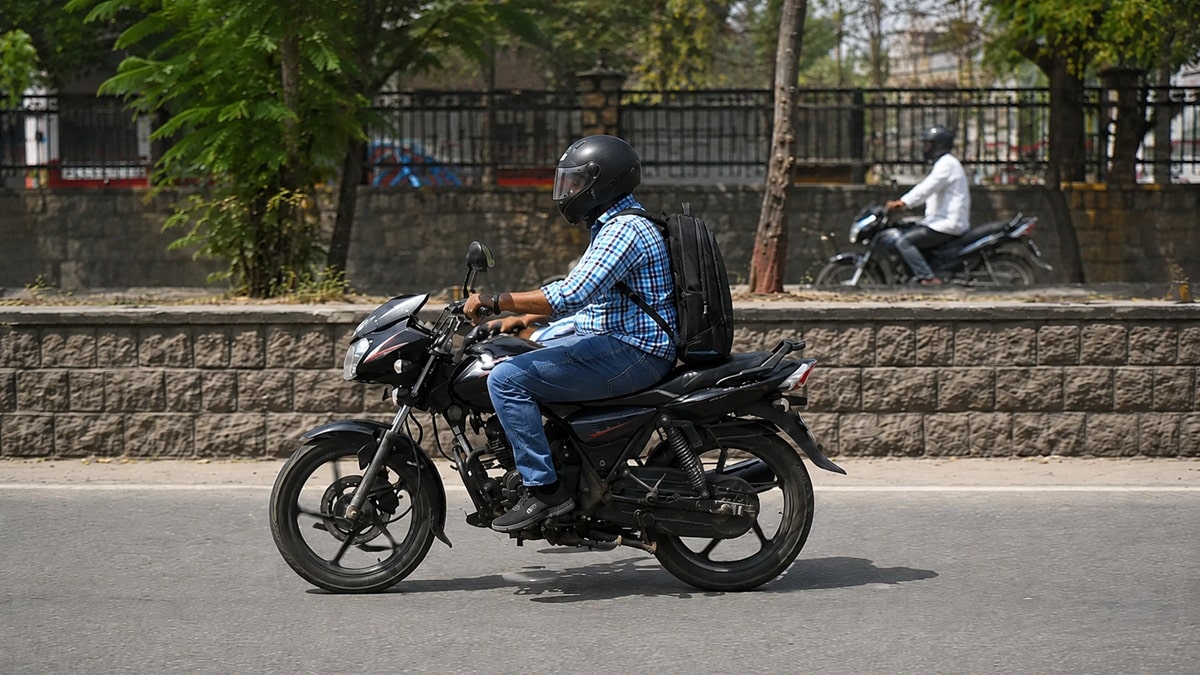
The strategic deployment of AI-based monitoring has catalyzed a significant shift in Lahore helmet compliance, with official metrics now indicating a 97.11% adherence rate on model roads. This structural improvement, validated by the Lahore Traffic Police, demonstrates how technological precision can recalibrate public behavior for enhanced safety. By utilizing the Safe City advanced camera network, authorities have analyzed over 264,000 motorcyclists, finding that 256,473 riders now prioritize head protection to avoid automated e-challans.
The Mechanics of Lahore Helmet Compliance
Data derived from 17 major intersections reveals a high-precision landscape of road safety. Specifically, IG Chowk Cantt emerged as the baseline for excellence with a 99.65% compliance rate. Consequently, other major hubs like International Hotel Chowk (99.54%) and Mall Road (99.24%) have followed suit. This calibrated enforcement strategy targets the 6.1 million motorcycles registered in the city, ensuring that safety protocols are not merely suggestions but established norms.
Regional Performance Breakdown
- High Compliance Zones: Davis Road (98.83%) and Faisal Chowk (98.81%).
- Developing Zones: Canal Ferozepur Road (90.78%) and Jail Road (88.55%).
- Critical Improvement Areas: FC College Underpass (83.96%).
The Situation Room: Strategic Analysis
The Translation
This initiative represents a transition from manual traffic policing to an automated, algorithmic governance model. By removing human bias and increasing the probability of detection through “Safe City” cameras, the system creates a consistent psychological deterrent. The “e-challan” is the catalyst; it converts the abstract risk of an accident into a concrete financial penalty, which effectively enforces the Lahore helmet compliance standard.
The Socio-Economic Impact
For the average Pakistani household, this development is a critical safeguard against financial shock. A 40% reduction in serious head injuries translates directly to lower healthcare expenditures and preserved household earning capacity. For students and young professionals who comprise the majority of the 6.1 million bikers, this systemic enforcement ensures that their mobility does not come at the cost of their long-term physical or economic viability.
The Forward Path
In my assessment, this represents a Momentum Shift. We are witnessing the first successful large-scale integration of AI in Pakistani public administration. To maintain this trajectory, the government must now scale this precision to secondary roads and implement similar AI-driven metrics for lane discipline and speed regulation. This is no longer just about helmets; it is about building a disciplined, data-driven urban ecosystem.