
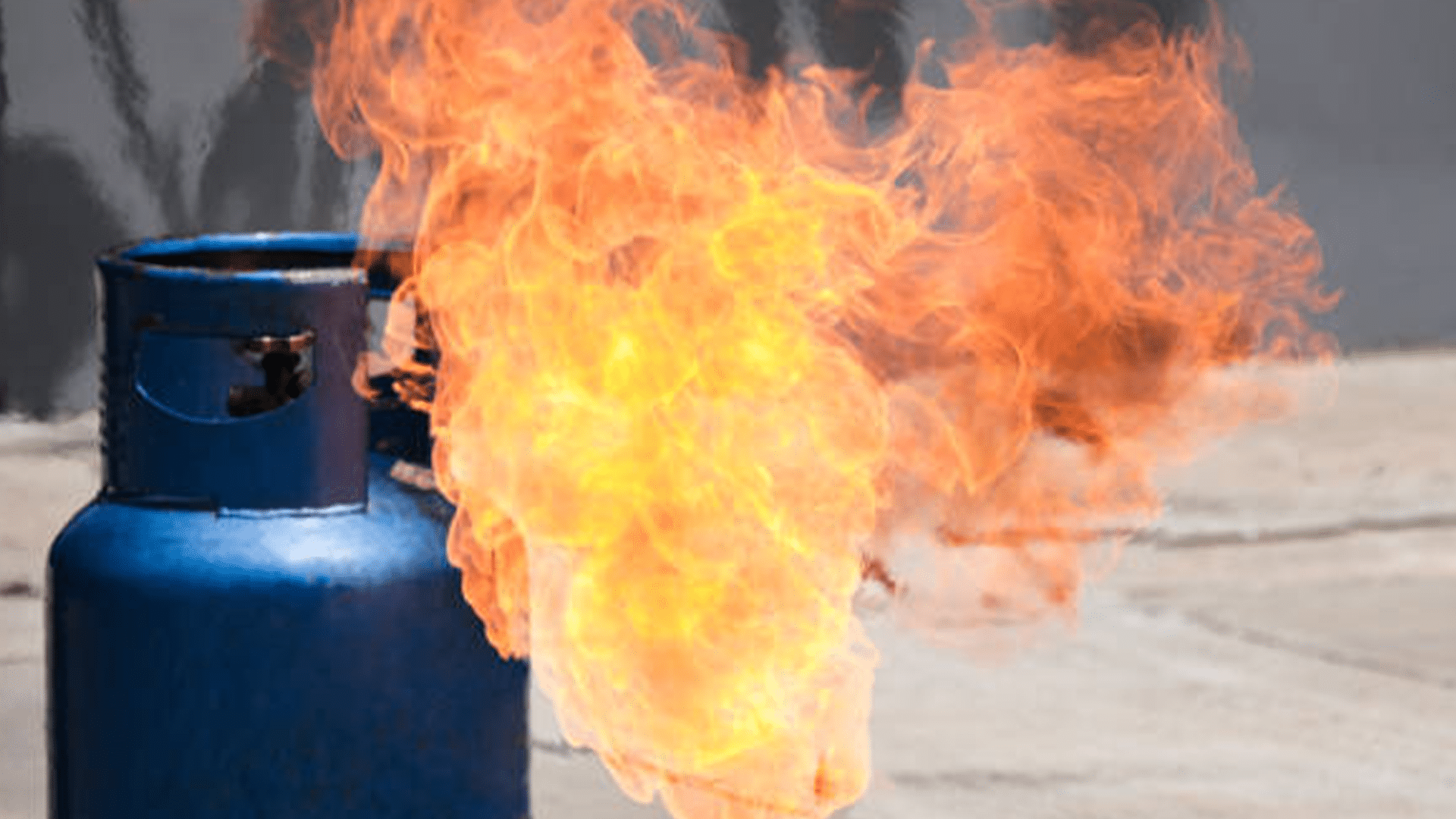
Strategic Overview of the Riyadh Gas Cylinder Blast
Structural safety protocols are the baseline of industrial and residential stability. Consequently, the tragic gas cylinder blast in Riyadh’s Manfouha district on Wednesday represents a severe breach of this baseline. This fatal explosion claimed the lives of five Pakistani nationals, highlighting the urgent need for calibrated safety oversight in expatriate residential sectors. Furthermore, the incident underscores the vulnerability of our overseas workforce to localized infrastructure failures within high-density urban environments.
The Translation: Analyzing the Event Logistics
To understand the gravity of this incident, we must look beyond the immediate reports. A gas cylinder explosion occurs when internal pressure exceeds the structural integrity of the container, often due to high temperatures or faulty valves. In this specific case, the failure resulted in the immediate loss of five individuals, all originating from Mansehra, Khyber Pakhtunkhwa. The victims have been identified as:
- Muhammad Saeed
- Abid Hussain
- Abdul Rehman
- Muhammad Safeer
- Muhammad Rustam
The Pakistan Embassy in Riyadh reacted swiftly by expressing deep sorrow and initiating precision coordination with Saudi police. Consequently, officials are currently navigating legal formalities to determine whether to proceed with local burial or repatriation to Pakistan.
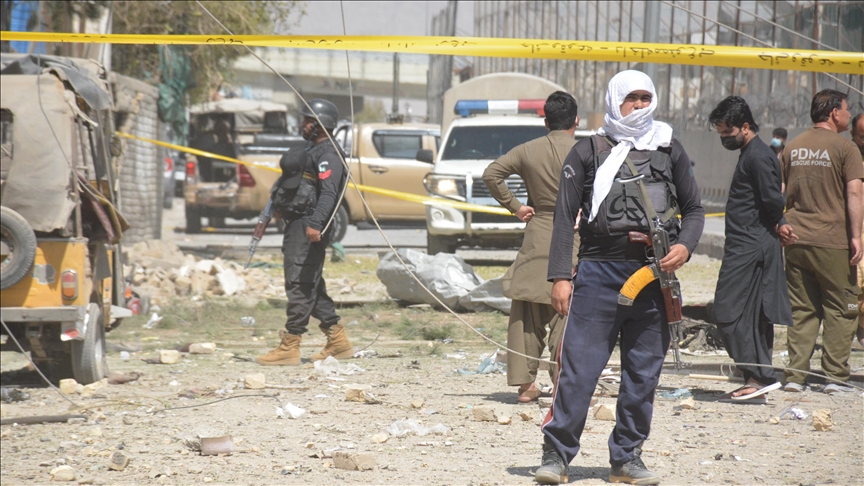
The Socio-Economic Impact: Vulnerability in the Migrant Ecosystem
How does this change the daily life of a Pakistani citizen? For the families in Mansehra, this is a catastrophic economic and emotional catalyst. These five individuals likely served as the primary financial anchors for multiple households. When a gas cylinder blast removes the breadwinner, the ripple effect triggers immediate financial instability in rural communities. Specifically, it disrupts the flow of foreign remittances, which are essential for education and healthcare in northern Pakistan. This event forces a harsh spotlight on the lack of insurance and safety nets for our global human capital.
The Forward Path: A Stabilization Move for Overseas Safety
In our expert view, this development represents a critical Stabilization Move. While tragic, it must serve as a catalyst for the Pakistani government to negotiate stricter residential safety audits for expatriate housing in the Gulf. We must transition from passive mourning to active structural advocacy. Precision in safety standards is not a luxury; it is a fundamental right for the men building the future of the Middle East. Ensuring rigorous appliance inspections in labor-heavy districts is the only way to prevent another loss of this magnitude.








