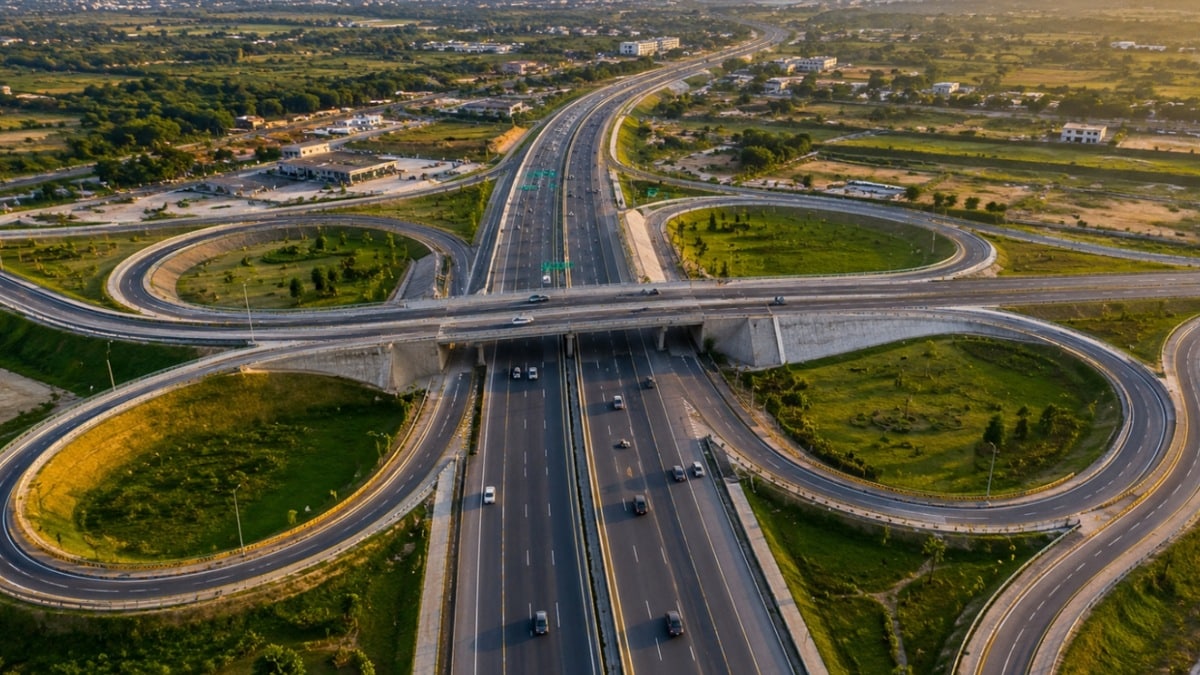
The infrastructural blueprint for Rawalpindi Ring Road Phase-II is now calibrated. NESPAK has finalized a preliminary feasibility study proposing three distinct routes to connect the Thalian and Hakla Interchanges along the CPEC route. By prioritizing a strategic expansion of the existing M-2 Motorway, engineers aim to minimize structural costs while maximizing system efficiency for the regional transport network.
Analyzing the Three Strategic Routes for Rawalpindi Ring Road Phase-II
NESPAK prepared three alignment options to determine the most viable catalyst for regional mobility. Each option presents a different balance of cost, length, and land requirements. The first and preferred option involves widening the existing M-2 Motorway from three lanes to five on each side. This 15.3-kilometre project carries a precision estimate of Rs. 9 billion, making it the most cost-effective solution.
In contrast, the alternative routes require significantly higher capital investment. The second option proposes a new 19.5-kilometre eastern highway costing Rs. 18 billion. Meanwhile, the third option suggests a 26.5-kilometre western corridor with a staggering price tag of Rs. 24 billion. Consequently, the data highlights that expanding existing infrastructure reduces construction expenditure by 50 to 60 percent.
Operational Efficiency and Land Acquisition
Structural constraints often dictate the pace of national advancement. The feasibility report indicates that the western alignment would require extensive land acquisition, further inflating the timeline and budget. By selecting the motorway expansion, the government can leverage existing right-of-way and infrastructure. This approach ensures faster completion despite challenges regarding interchange design and traffic management during the construction phase.
The Situation Room: Strategic Analysis
The Translation
In engineering terms, this decision represents “Brownfield Development” over “Greenfield Development.” Instead of scarring new land and dealing with complex legal battles over property, the state utilizes its current assets. NESPAK is essentially recommending a hardware upgrade for our existing transit backbone rather than building a redundant parallel system.
The Socio-Economic Impact
For the average citizen, the Rawalpindi Ring Road Phase-II expansion translates to reduced logistical friction. Efficient connectivity between Thalian and Hakla will decrease commute times for residents of twin cities. Furthermore, lower construction costs mean less strain on the national exchequer, potentially freeing up funds for localized urban development. Property values near these interchanges are expected to stabilize as the route becomes a vital artery for CPEC-related trade.
The Forward Path (Opinion)
This development represents a Momentum Shift. Moving away from the most expensive “prestige” options toward a calibrated, cost-effective expansion shows a maturing approach to national planning. While the western route offered more new territory, the fiscal logic of the M-2 expansion is undeniable. Precision in spending today ensures the sustainability of our infrastructure tomorrow.