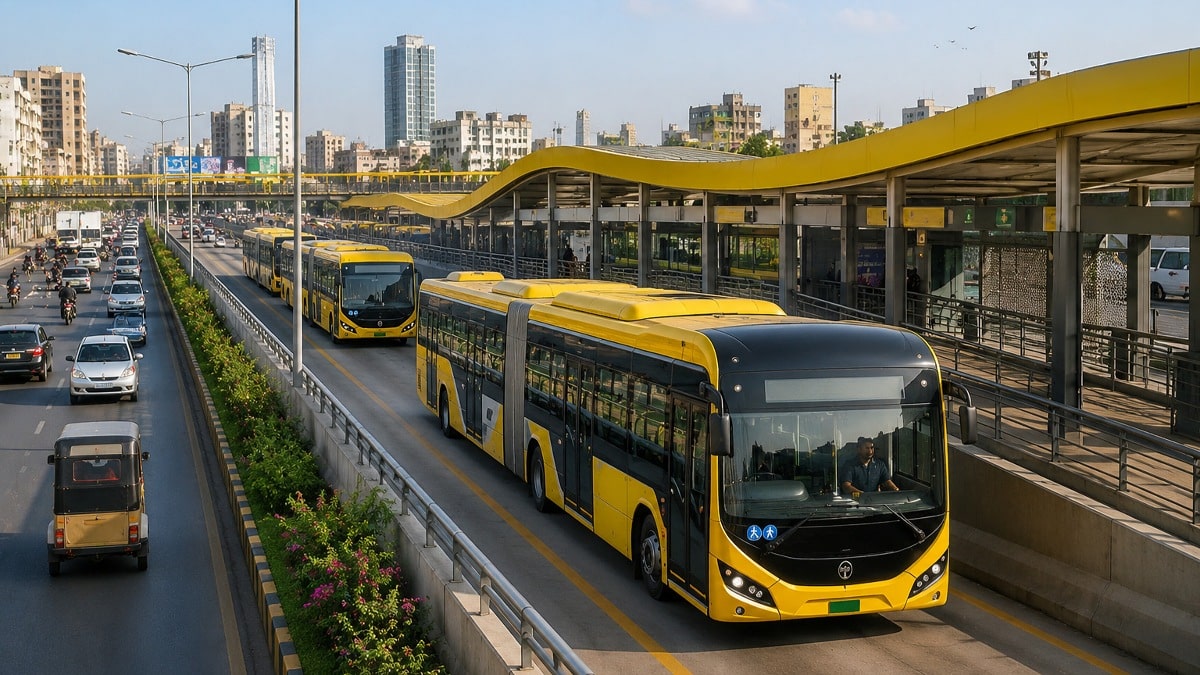
Karachi’s urban mobility is undergoing a calibrated transformation through the Yellow Line BRT, a high-efficiency transit system designed to overhaul the city’s logistical baseline. This strategic infrastructure project, supported by the World Bank, integrates 256 electric buses into the Karachi Breeze Network to serve 300,000 daily passengers. Consequently, the project acts as a catalyst for sustainable urban development, replacing antiquated transport methods with precision-engineered solutions.
Structural Integration of the Yellow Line BRT
The 21-kilometer dedicated corridor forms a structural spine stretching from Dawood Chowrangi to Numaish. This network includes 28 strategic stations, featuring 22 at-grade locations and six underground facilities. Furthermore, a connection to the common corridor leading to Tower ensures seamless connectivity across the city’s core. The system’s architecture is designed to manage a projected annual ridership of 78 million commuters, significantly increasing the city’s transport capacity.

Precision Fleet: 256 Electric Buses for Sustainable Transit
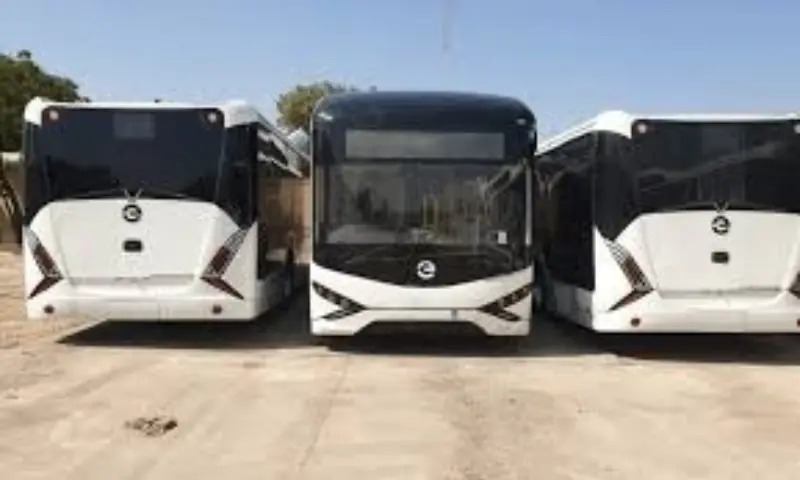
The operation utilizes a calibrated fleet of 256 electric buses to maximize energy efficiency and route flexibility. This fleet includes 19 units of 9-meter buses, 133 units of 12-meter buses, and 104 high-capacity articulated 18-meter buses. To maintain operational stability, the project maintains an 8 percent reserve capacity. Residents will access this main corridor through six direct routes and three specialized feeder routes, ensuring comprehensive coverage for surrounding neighborhoods.
Optimizing Karachi’s Commuter Velocity
Current traffic speeds in Karachi often plummet below 10 kilometers per hour due to severe congestion. In contrast, the Yellow Line BRT is engineered to maintain average speeds between 21 and 26 kilometers per hour. This improvement represents a massive leap in system efficiency, reducing travel times for the average professional. Ultimately, the transition to high-speed dedicated lanes will redefine the baseline for public transit in Pakistan’s economic hub.
The Translation (Clear Context)
The “Breeze Network” isn’t just a collection of buses; it is a synchronized grid where different lines (Yellow, Red, Green) talk to each other. By using “articulated buses” (the long, bendy ones), the system moves more people without increasing the number of drivers needed. The shift to electric power removes the volatility of fuel prices from the operational equation, ensuring long-term price stability for the commuter.
The Socio-Economic Impact
For the average Karachi household, this system offers more than just a ride; it offers time. By doubling the average transit speed, a professional commuting from Dawood Chowrangi to Numaish can save nearly an hour daily. This time dividend translates into increased productivity and improved quality of life. Furthermore, the feeder routes bridge the “last-mile” gap, allowing students and workers in low-income areas reliable access to the city’s economic center.
The Forward Path (Opinion)
This development represents a Momentum Shift. While previous transit projects focused on basic mobility, the Yellow Line BRT focuses on precision and environmental sustainability. The integration of a massive electric fleet sets a new national baseline for green infrastructure. If the maintenance protocols match the initial engineering standards, this project will serve as the primary catalyst for Karachi’s evolution into a modern megacity.