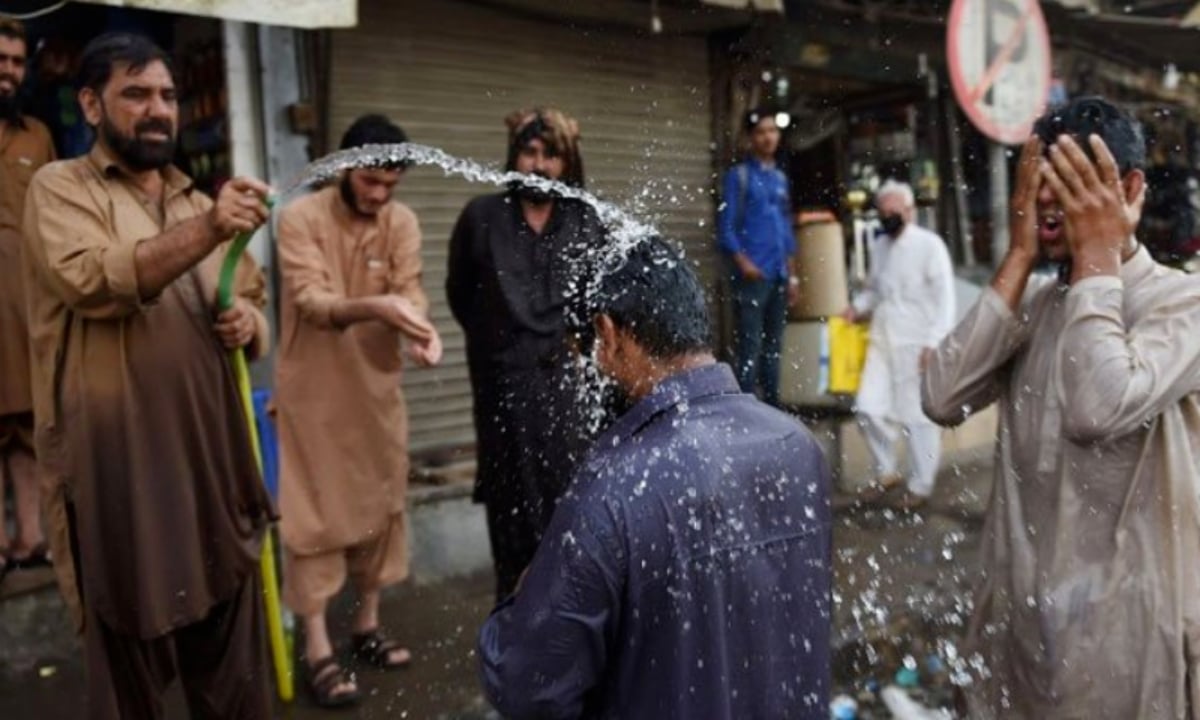
A calibrated threat to our national survival is emerging: Pakistan heat deaths could surge by 150,000 annually by 2050 due to a critical deficit in cooling infrastructure. Data from the Climate Impact Lab reveals that rising temperatures intersect with energy poverty to create a systemic hazard for 89% of the population. Consequently, this intersection demands a precision-driven overhaul of our national energy and housing policies.
The Architecture of the Mortality-Cooling Trap
The University of Chicago’s latest study identifies Pakistan as a primary casualty of the “mortality-cooling trap.” This phenomenon occurs when extreme thermal events coincide with a baseline lack of affordable cooling. While global heat-related mortality could reach 430,000 annually, Pakistan accounts for more than a third of this projection. Specifically, the report highlights that the threat stems from a trifecta of unreliable grids, high equipment costs, and soaring electricity tariffs.
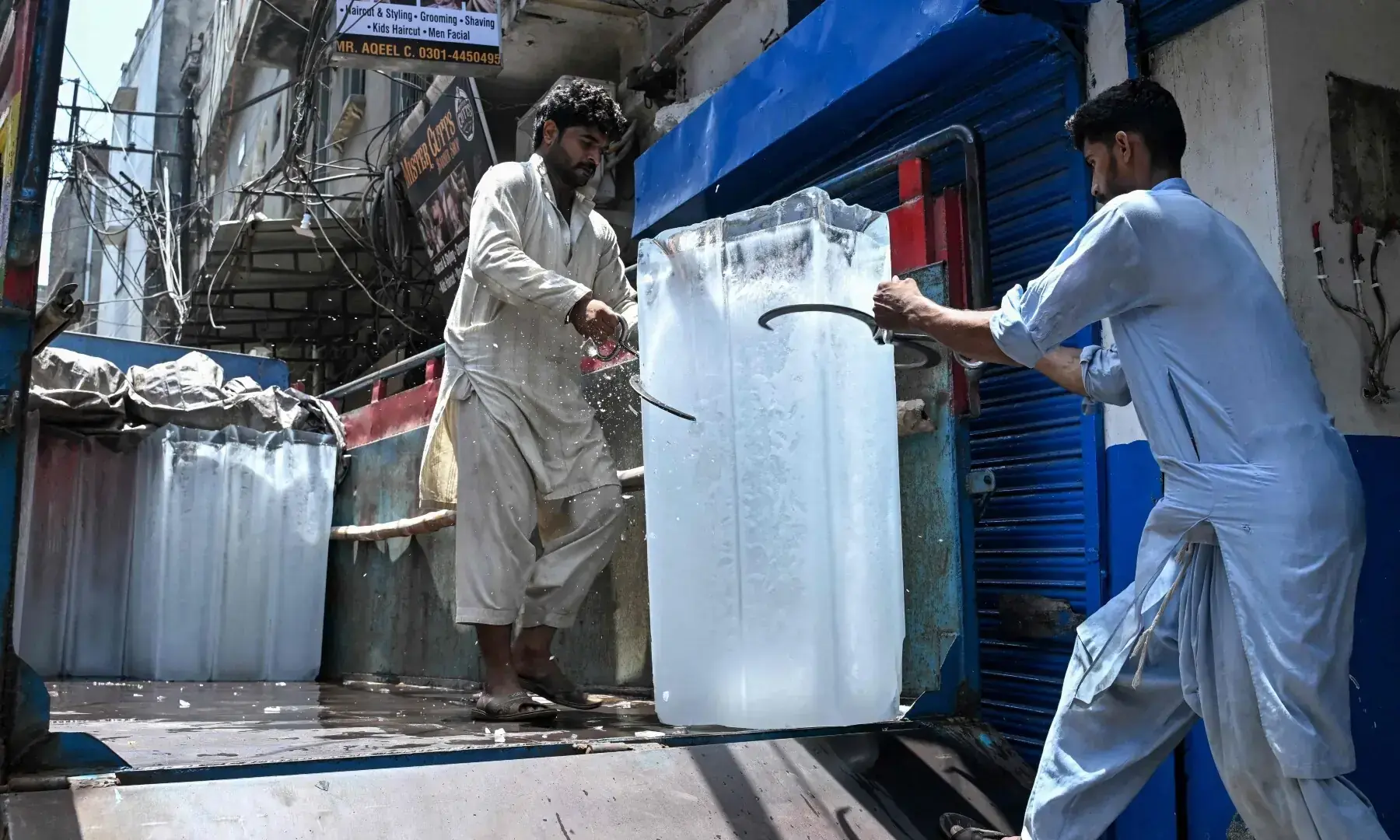
Furthermore, experts emphasize that energy supply alone cannot resolve this crisis. Many households remain unable to afford the strategic equipment needed to maintain safe internal temperatures. Therefore, the lack of Pakistan heat deaths mitigation strategies represents a structural failure in urban planning and economic accessibility.
Implementing Structural Resilience
To catalyze a shift in this trajectory, energy specialists recommend broader policy reforms centered on decentralized renewable power. These systems offer a baseline for cooling that remains independent of the fragile national grid. Additionally, the study advocates for urban greening and the development of public cooling spaces to protect the most vulnerable segments of society.

The Translation: Contextualizing the Cooling Trap
The “mortality-cooling trap” isn’t just a technical term; it describes a strategic bottleneck. Essentially, even if the national grid provides 24/7 power, the high cost of that electricity creates a “functional blackout” for lower-income households. The logic dictates that without affordable pricing or energy-efficient building standards, the population remains defenseless against thermal spikes.
The Socio-Economic Impact: Daily Life and Health
This development fundamentally alters the daily lives of both urban and rural Pakistanis. For urban families, the lack of cooling reduces workforce productivity and increases the cardiovascular burden on the elderly. In rural areas, the absence of early warning systems and public cooling centers makes heatwaves a silent killer. This creates a cycle where health expenditures further deplete household savings, reinforcing energy poverty.

The Forward Path: Strategic Momentum
This development represents a Momentum Shift toward a necessary, albeit painful, realization: our current energy model is incompatible with our climate reality. We must move beyond “stabilization moves” like temporary subsidies and focus on structural upgrades. National advancement depends on our ability to deploy solar-integrated cooling and reform building codes to naturally mitigate Pakistan heat deaths. Precision in policy will determine the survival of our workforce.