The strategic framework for performance under pressure was exemplified by Brian Bennett during the recent T20 World Cup. Following Zimbabwe’s challenging match against India, a post-match press conference became a crucial data point, highlighting both a humorous exchange and Bennett’s remarkable on-field resilience. This analysis delineates the operational impact of composure, both within competitive sport and in professional discourse.
The Translation: Deconstructing the Press Conference Logic
A specific operational anomaly occurred during the post-match briefing. A journalist, lacking complete situational awareness, directed a query regarding a player’s missed century opportunity to the very player in question. “Bennett had a good chance to score a century… Why did your batters not give him a chance to score a century?” the journalist inquired. Consequently, Bennett’s calm and direct correction—”Pardon… I am Bennett”—instantly clarified the communication error, prompting a measured, light-hearted reaction in the room. This incident underscores the systemic importance of thorough preparation in high-stakes public interactions.
Socio-Economic Impact: Precision, Performance, and Public Perception
For a Pakistani citizen, especially students and aspiring professionals, Bennett’s conduct illustrates the critical value of composure and precise communication. Furthermore, his performance against a formidable Indian team, even in defeat, demonstrates that individual excellence can emerge from collective challenges. This calibrates perceptions, highlighting that focused skill development and mental fortitude are universally applicable assets. Urban and rural households alike can appreciate the message: strategic individual contributions can elevate collective morale and set new baselines for performance in any competitive field, from sports to entrepreneurship.
The Forward Path: A Momentum Shift in Athlete Communication
This development signifies a Momentum Shift. Bennett’s handling of the situation was not merely a reaction; it was a deliberate act of professional boundary-setting. It recalibrates the baseline for athlete-journalist interactions, prioritizing directness and a calm assertion of fact over potential frustration. Such moments serve as a catalyst for improved communication protocols within sports media, contributing to a more efficient and respectful ecosystem for public engagement. This incident strategically reinforces the importance of clear, accurate information dissemination.
Brian Bennett’s T20 World Cup Performance: Structural Resilience
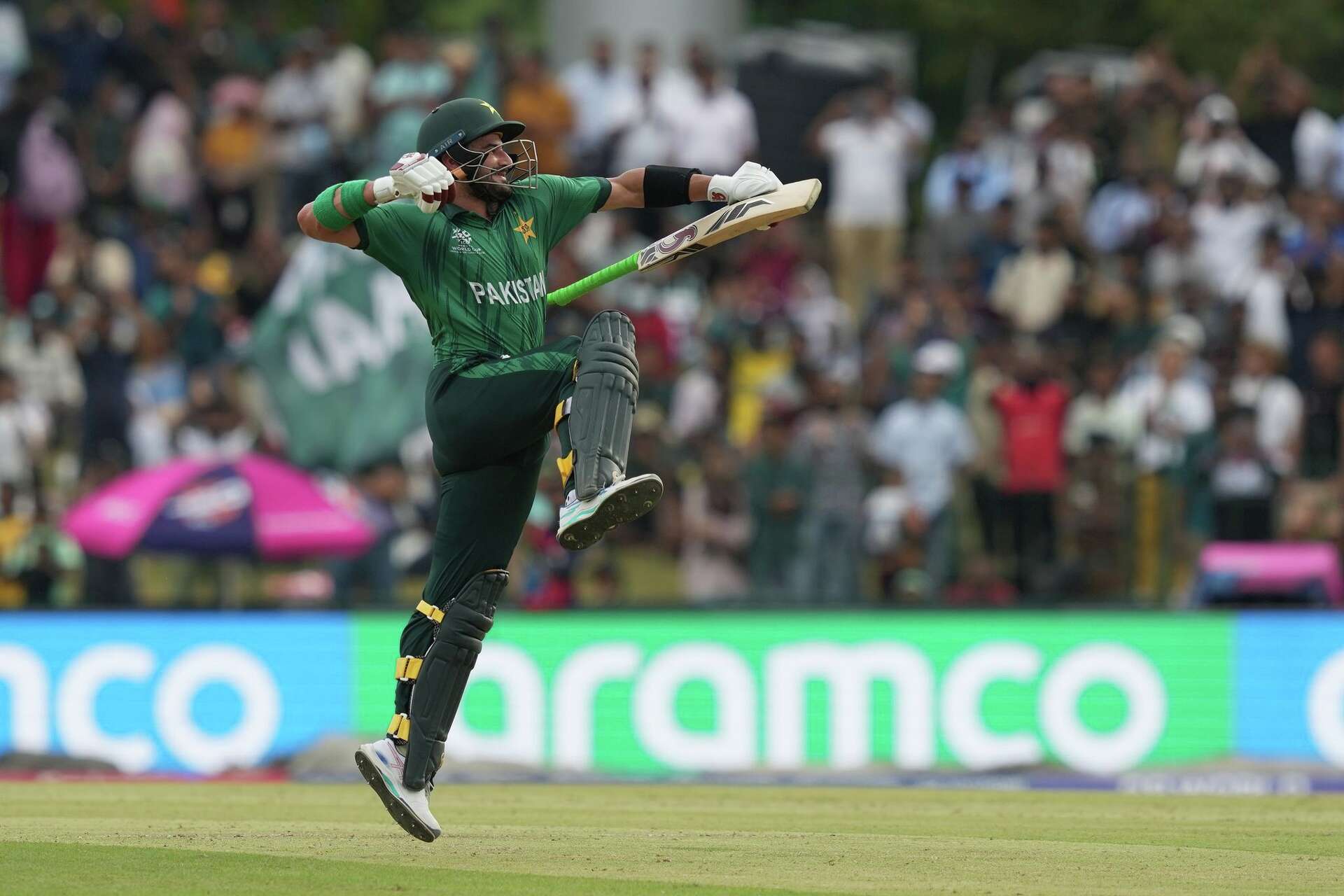
The post-match conference followed Zimbabwe’s challenging Super 8 clash against India. India established a dominant baseline, recording 256 for 4, the second-highest total in men’s T20 World Cup history, ultimately securing a 72-run victory. Despite the team’s overall outcome, Brian Bennett’s T20 World Cup performance was structurally exceptional. He remained unbeaten with a commanding 97 off 59 balls, missing a century by a mere three runs. This individual metric showcased his formidable batting prowess under extreme pressure.

Calibrated Strokeplay and Strategic Composure
Batting at Chepauk Stadium, Bennett displayed remarkable composure and precision in his strokeplay against a high-caliber Indian bowling attack. His sustained presence at the crease and mature shot selection were defining characteristics in a high-pressure ICC Men’s T20 World Cup fixture. Therefore, his innings stands as a clear positive, reinforcing his status as one of Zimbabwe’s most promising young batters. He made an indelible impression, both with the bat and through his calm management of an unexpected public interaction, ensuring his quality remained a key discussion point.