Understanding ChatGPT Phone Number Exposure: A Strategic Overview
The evolving landscape of artificial intelligence integration presents both opportunities and critical challenges. Specifically, a new, optional feature within ChatGPT now allows users to synchronize their phone contacts. This development carries direct implications for ChatGPT phone number exposure, as your mobile identity could be processed even if you have not explicitly opted into the service, should a contact choose to upload their address book. This necessitates a precise understanding of digital privacy protocols and proactive measures to safeguard personal data.
The Translation: Deconstructing OpenAI’s Contact Sync Mechanism
OpenAI’s latest feature, designed to enhance user connectivity within its ecosystem, enables individuals to discover friends utilizing ChatGPT or other OpenAI products. Consequently, while the feature is presented as voluntary, OpenAI’s policy indicates that a person’s phone number may undergo processing if it exists within another user’s synced contacts. This implies a baseline data collection irrespective of individual consent, a structural shift in how digital identities are managed within the platform. Furthermore, OpenAI clarifies it does not store complete contact details such as names or email addresses; instead, phone numbers are stored in a cryptographically hashed format on its servers, aiming to mitigate direct data breaches.

The Socio-Economic Impact: Calibrating Privacy for Pakistani Citizens
This development presents tangible implications for Pakistani citizens across various demographics. For students and young professionals, who are early adopters of AI tools, the potential for ChatGPT phone number exposure introduces a new dimension to digital privacy management. Families, particularly in urban centers, must now recalibrate their understanding of data sharing within their social networks. Rural communities, increasingly reliant on mobile connectivity, face similar challenges in securing their digital footprint. Ultimately, the ability to control personal contact information becomes a critical aspect of daily digital life, influencing trust in AI platforms and necessitating heightened awareness of privacy settings. This structural change demands a more informed approach to managing online interactions and personal data.
The Forward Path: A Stabilization Move for Digital Connectivity
From an architectural perspective, this feature represents a Stabilization Move rather than a “Momentum Shift.” While it enhances the social capabilities of ChatGPT, aligning with earlier reports of OpenAI exploring social networking elements, its core function is to streamline existing group chat functionalities. ChatGPT already supports group discussions with up to 20 participants, and contact syncing merely simplifies the invitation process. Consequently, this is a calculated effort to refine user experience and platform utility rather than a revolutionary advancement in AI functionality or a significant leap in national advancement. It is a strategic step towards consolidating its user base and encouraging deeper platform engagement through improved social features.
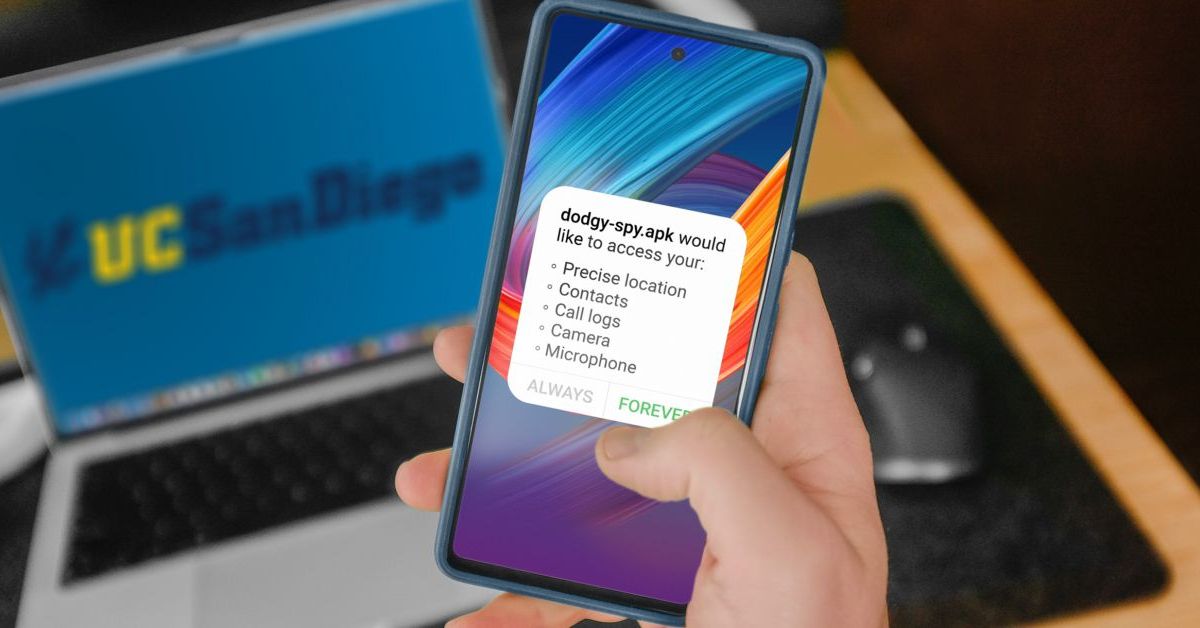
Users maintain the control to revoke contact access at any given time through their device settings, offering a critical safeguard. This feature emphasizes the imperative for individuals to regularly review and manage application permissions, ensuring personal data integrity remains paramount in the era of pervasive AI integration.