Optimizing System Efficiency: How to Speed Up File Explorer in Windows 11
The operational baseline of Windows 11’s File Explorer was recently impacted by a preloading feature, intended for performance enhancement, but which paradoxically increased RAM consumption and degraded responsiveness, particularly on legacy hardware. This structural inefficiency necessitates a calibrated approach to regain optimal functionality. Consequently, users can significantly speed up File Explorer by implementing a straightforward configuration adjustment. This refined strategy targets core system processes, ensuring a more fluid digital interaction.
The Translation: Decoding File Explorer’s Performance Bottleneck
Microsoft’s intention with the preloading feature was to reduce initial application launch times. However, the system design meant File Explorer would often query cloud services like OneDrive and Microsoft 365 upon startup, even when accessing local drives. This constant online synchronization, especially from the default “Home” screen, burdened system resources. Effectively, the core issue stemmed from an over-reliance on dynamic, cloud-based content delivery for a primary local file management tool.
The Socio-Economic Impact: Enhanced Digital Productivity for Pakistan
For Pakistani students and professionals, particularly those with access to older computing infrastructure, a slow File Explorer translates directly into lost productivity and increased frustration. Delays in accessing crucial documents or academic materials impede workflow and academic progress. Furthermore, for businesses operating on tight margins, even minor system inefficiencies accumulate, impacting operational costs and overall output. This performance optimization represents a tangible improvement, fostering a more responsive computing environment for urban and rural households alike, thereby supporting digital literacy and professional efficacy.
The Forward Path: A Strategic Stabilization Move
This optimization is a critical Stabilization Move. While not a fundamental architectural redesign, it provides an immediate and impactful resolution to a pervasive user experience issue. It restores a baseline of expected performance, ensuring that the primary interface for file management functions with calibrated efficiency. This allows users to circumvent the detrimental effects of an initially flawed feature implementation, reinforcing system reliability.
Precision Tweak: How to Optimize Your File Explorer Configuration
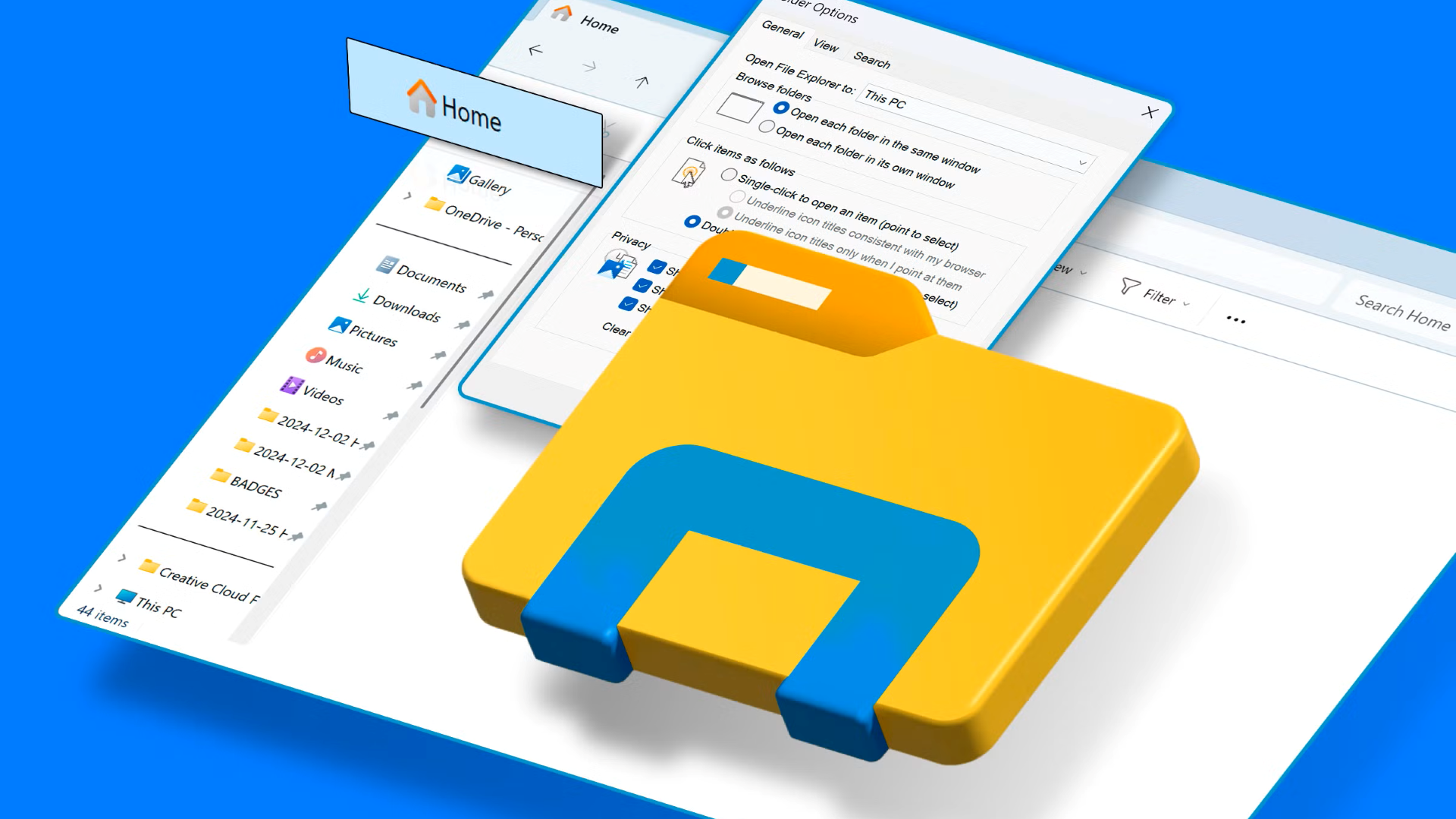
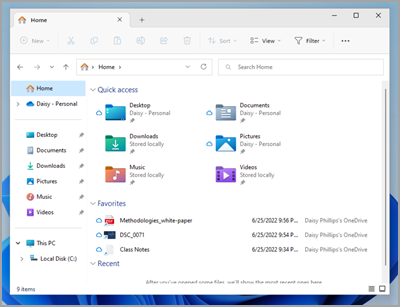
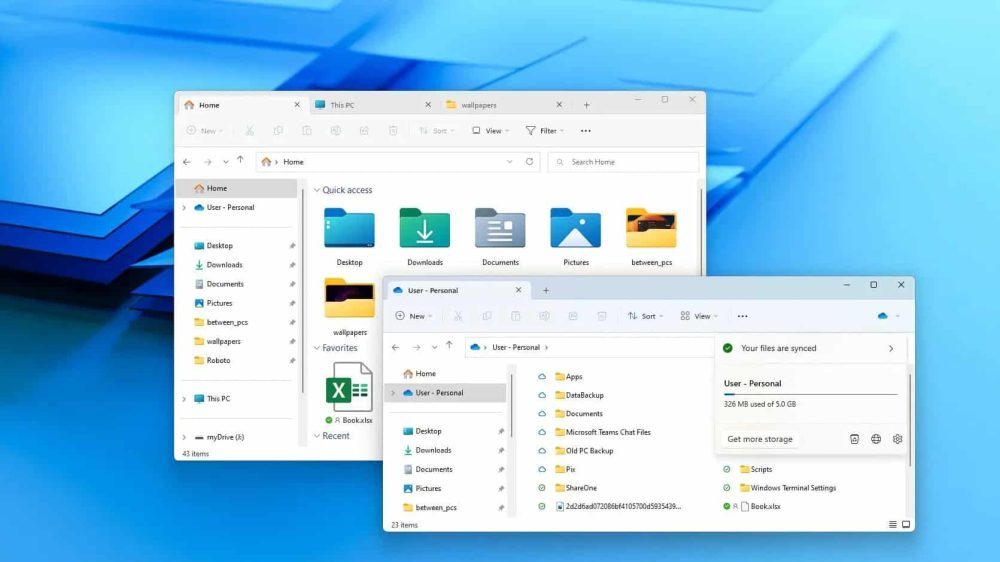
The architectural change required is minimal but impactful. To proactively speed up File Explorer and mitigate unwanted cloud queries, users must recalibrate its default launch screen. This involves directing File Explorer to open directly to “This PC” instead of the “Home” screen. Consequently, the system bypasses the resource-intensive process of syncing online content and displaying recommended files, which are primary contributors to performance degradation.
Implementing the Change: A Step-by-Step Guide
The modification process is straightforward, requiring precise execution of the following steps:
- Access File Explorer: Open the File Explorer application.
- Navigate to Options: Locate and click the ellipses menu (…), then select “Options.”
- Update Launch Setting: Within the “General” tab, modify the “Open File Explorer to” setting from “Home” to “This PC.”
This systematic adjustment ensures that your File Explorer initiates with a focus on local storage, thereby significantly enhancing its operational speed.
Leveraging Preloading Effectively: Synergistic Performance Gains
While preloading was a primary factor in initial performance issues, its strategic integration with the “This PC” default setting can yield synergistic benefits. This feature loads File Explorer’s core components into memory before the application is explicitly launched, effectively reducing initial startup latency. Therefore, when combined, these two settings replicate the swift responsiveness characteristic of earlier Windows iterations, establishing a more efficient user experience.
Addressing Persistent Bottlenecks and Future Calibrations
Despite the described optimizations, some users may still observe performance limitations. This is attributed to File Explorer’s hybrid architecture, which marries the modern WinUI framework with its legacy Win32 core. This structural duality necessitates the initialization of contemporary interface elements, the loading of shell extensions, and ongoing communication with OneDrive and Microsoft 365 services upon each launch. These background processes inherently introduce latency, particularly after a system restart.

Microsoft continues to introduce calibrated code optimizations in subsequent updates. These include efforts to enhance Home tab loading times, improve archive extraction speeds, and minimize delays when accessing folders containing extensive media libraries. Such iterative improvements indicate an ongoing commitment to refining system efficiency and user experience.