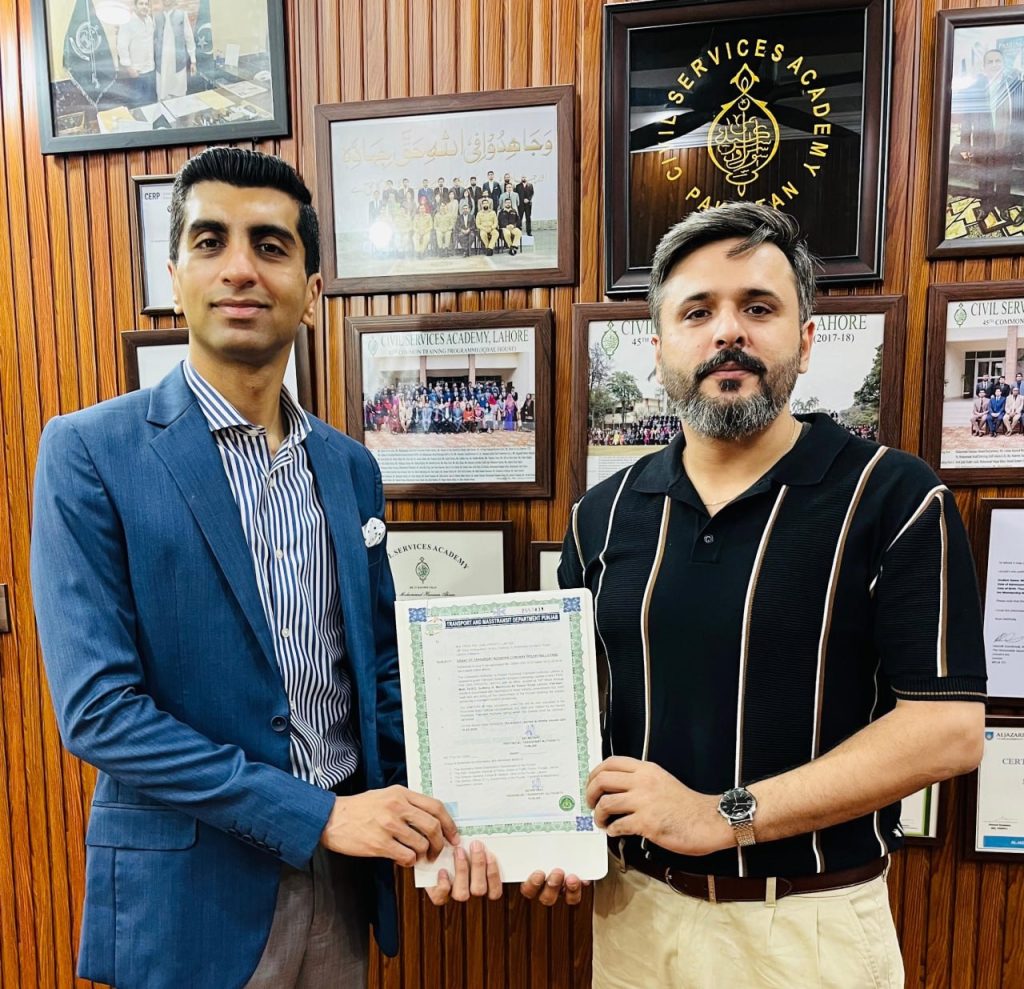
A significant structural advancement in Pakistan’s digital economy has materialized as Yango Ride, a core component of the global Yango Group, officially secured the pioneering Yango Ride-Hailing License. This pivotal Transport Network Company (TNC) operating license, granted by the Punjab Provincial Transport Authority, marks a calibrated milestone for Pakistan’s rapidly expanding mobility sector. This development not only affirms Yango’s commitment but also establishes a baseline for future regulatory frameworks within the nation’s transport infrastructure, promising enhanced safety and operational clarity for millions.
Yango Ride-Hailing License: Strategic Regulatory Alignment for Digital Mobility
This landmark license strategically authorizes Yango Ride to operate under the provisions of the Provincial Motor Vehicle (Amendment) Act, 2025, which precisely regulates ride-hailing services across Punjab. Consequently, this approval follows an intensive period of collaborative engagement between Yango Ride and the Punjab Transport Ministry, alongside other key government stakeholders. This structured dialogue was instrumental during the implementation phase of the province’s new licensing framework for digital mobility platforms, ensuring robust future operations.

Furthermore, the newly established licensing framework is meticulously designed to strengthen regulatory oversight. It introduces enhanced safety, verification, and compliance standards, explicitly engineered to protect both partner drivers and passengers within the ride-hailing ecosystem. Miral Sharif, Country Manager for Yango Pakistan, expressed profound gratitude to the Punjab Transport Authority, commending the professionalism exhibited throughout the intricate process.
“This milestone concretely reflects our commitment to working closely with regulators,” Sharif stated, “aiming to catalyze the development of a safer, affordable, and reliable ride-hailing ecosystem in Pakistan. Moreover, receiving this Yango Ride-Hailing License reaffirms our enduring presence in the market and our dedication to upholding rigorous regulatory and safety standards for all users.” This proactive regulatory engagement sets a precedent for sustainable digital growth.

The Translation: Decoding Regulatory Frameworks for Public Safety
This TNC operating license translates directly into a standardized, accountable operational environment for ride-hailing services. Previously, the sector operated with varying degrees of oversight, leading to inconsistencies. Now, the Provincial Motor Vehicle (Amendment) Act, 2025, provides a clear, legally binding structure. This means every ride-hailing company must meet specific, calibrated criteria for driver background checks, vehicle safety, data protection, and transparent pricing. Essentially, this move formalizes a crucial segment of the urban transport network, transitioning it from an emergent service to a fully integrated and regulated utility. It also ensures consistent service quality and robust consumer protection across the province.
The Socio-Economic Impact: Precision in Daily Commutes and Growth
For the average Pakistani citizen, particularly students, professionals, and households in both urban and rural centers, this regulatory development signifies enhanced safety and reliability in daily commutes. Students can anticipate verified drivers and safer travel to educational institutions. Professionals benefit from consistent service quality and transparent fares for business travel, improving efficiency. Rural communities, where transport options are often limited, could see more structured and dependable ride-hailing availability as companies gain operational certainty. This framework aims to reduce incidents, boost user confidence, and foster a more predictable and efficient public transport alternative, thereby integrating digital solutions more seamlessly into everyday life and stimulating economic activity.
The Forward Path: A Structural Momentum Shift for Digital Pakistan
This development undeniably represents a Momentum Shift for Pakistan’s digital economy and urban infrastructure. By establishing a robust, clear regulatory pathway for ride-hailing, the Punjab Provincial Transport Authority has created a catalyst for further innovation and investment in digital mobility. This structural clarity reduces investor risk and encourages more established players to enter or expand within the market, fostering healthy competition and advanced services. Moreover, Yango Ride’s proactive engagement, including active collaboration with the Punjab Safe City Authority (PSCA) to integrate emergency ’15’ services into their application, signifies a commitment beyond mere compliance. This strategic move toward integrated safety features is an exemplary model for future technology deployments, ensuring that growth is intrinsically linked with public welfare and national advancement.
As ride-hailing services strategically expand across Pakistan, this license functions as an important step toward greater transparency and operational consistency within the sector. Operating within a government-recognized framework provides superior operational certainty, concurrently reducing the risk of regulatory disruptions. This development is a positive signal for Pakistan’s broader technology and mobility sectors. As cities experience growth and demand for flexible urban transport rises, meticulously defined regulatory frameworks will be critical to supporting innovation while safeguarding public interests and fostering a dynamic digital future.