The relentless pursuit of technological convergence is recalibrating the global market landscape. A pivotal shift in the Xiaomi wearable market has positioned the tech giant back at the forefront after a five-year hiatus, according to Omdia’s latest data. Global wearable shipments demonstrably surpassed 200 million units in 2025, marking a strategic 6% increase from the prior year. This resurgence by Xiaomi underscores a calibrated approach to product diversity and ecosystem alignment.
Precision in Market Dynamics: The Xiaomi Wearable Market Resurgence
Xiaomi currently commands an impressive 18% of total global shipments, narrowly outpacing Apple at 17% and Huawei at 16%. This razor-thin margin, less than one percentage point separating the top three, signifies an intensely competitive environment. Furthermore, Samsung holds a 9% share, with Garmin securing 5%.

The Translation: Decoding Competitive Baselines
Historically, success in the wearable sector was predominantly defined by hardware specifications such as display quality, sensor count, and battery life. However, Omdia research manager Cynthia Chen notes a definitive shift towards ecosystem integration strategy. This means manufacturers are prioritizing seamless connectivity between wearables and other smart devices, including smartphones, tablets, vehicles, and smart home products. Consequently, a robust ecosystem significantly enhances customer retention and optimizes user experience.
The Socio-Economic Impact: Enhancing Daily Digital Life
For Pakistani citizens, this intense competition and emphasis on ecosystem integration translate into tangible benefits. Students and professionals can expect more cohesive digital workflows, where their wearable devices interact effortlessly with their other gadgets, streamlining tasks and communication. Households, particularly in urban centers, will experience enhanced smart home functionality, improving convenience and efficiency. Furthermore, the focus on advanced health-monitoring tools offers proactive health management, fostering a healthier populace across urban and rural demographics by making sophisticated tracking more accessible.
The “Forward Path”: A Momentum Shift in Digital Integration
This development represents a significant “Momentum Shift” for the digital future. Xiaomi’s return to the top, driven by a holistic ecosystem approach, validates the strategy of integrated digital living. It signals a move beyond mere device functionality towards a unified, interconnected personal and domestic technological architecture. This trajectory is essential for advancing Pakistan’s digital literacy and adoption rates, creating a baseline for systemic digital efficiency within the Xiaomi wearable market and beyond.
Strategic Frameworks: Xiaomi’s Pathway to Dominance
Xiaomi’s calibrated return to market leadership is largely attributable to its comprehensive product portfolio. The widely popular Mi Band series continues to drive substantial shipment volumes within the accessible market segment, bolstering Xiaomi’s position in the broader wearable market. Concurrently, their strategically priced entry-level smartwatches elevate average selling prices without necessitating entry into the premium tier. This dual-pronged approach ensures broad market penetration.
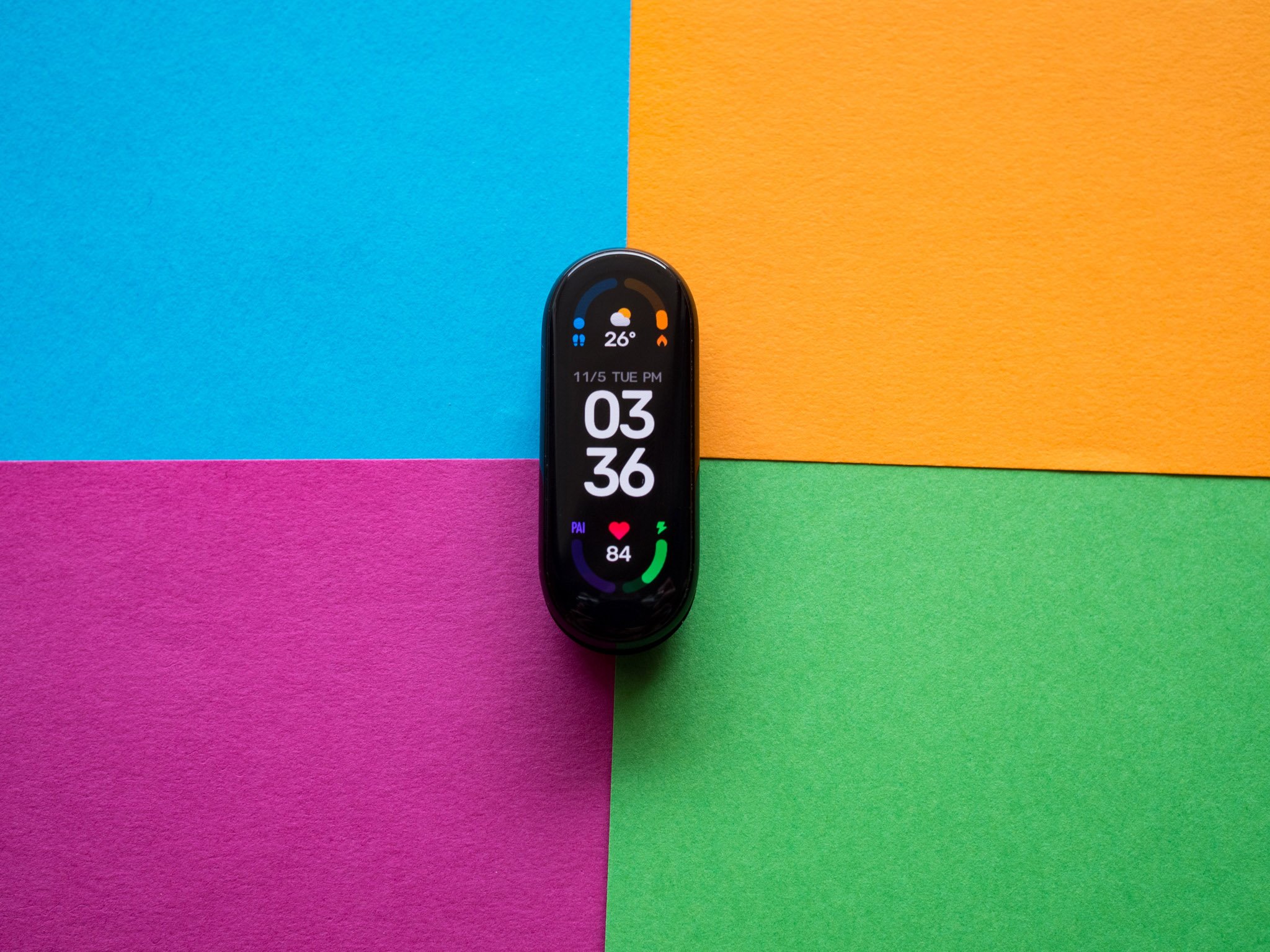
Crucially, the company’s “Human × Car × Home” strategy structurally reinforces this success. This initiative meticulously links wearables to an expanding ecosystem of connected devices, forging a cohesive and interdependent technological environment. This structural integration is a key differentiator in a crowded market.
Competitive Architectures: Understanding Market Positioning
In contrast, Apple consistently maintains its formidable presence in the high-end segment. Its wearable offerings derive substantial benefit from seamless integration with the iPhone, characterized by premium hardware design and an continually expanding suite of advanced health features. Similarly, Huawei has established a robust market position, especially within China, supported by a diverse array of devices and an amplified focus on professional sports tracking and sophisticated health-monitoring capabilities.
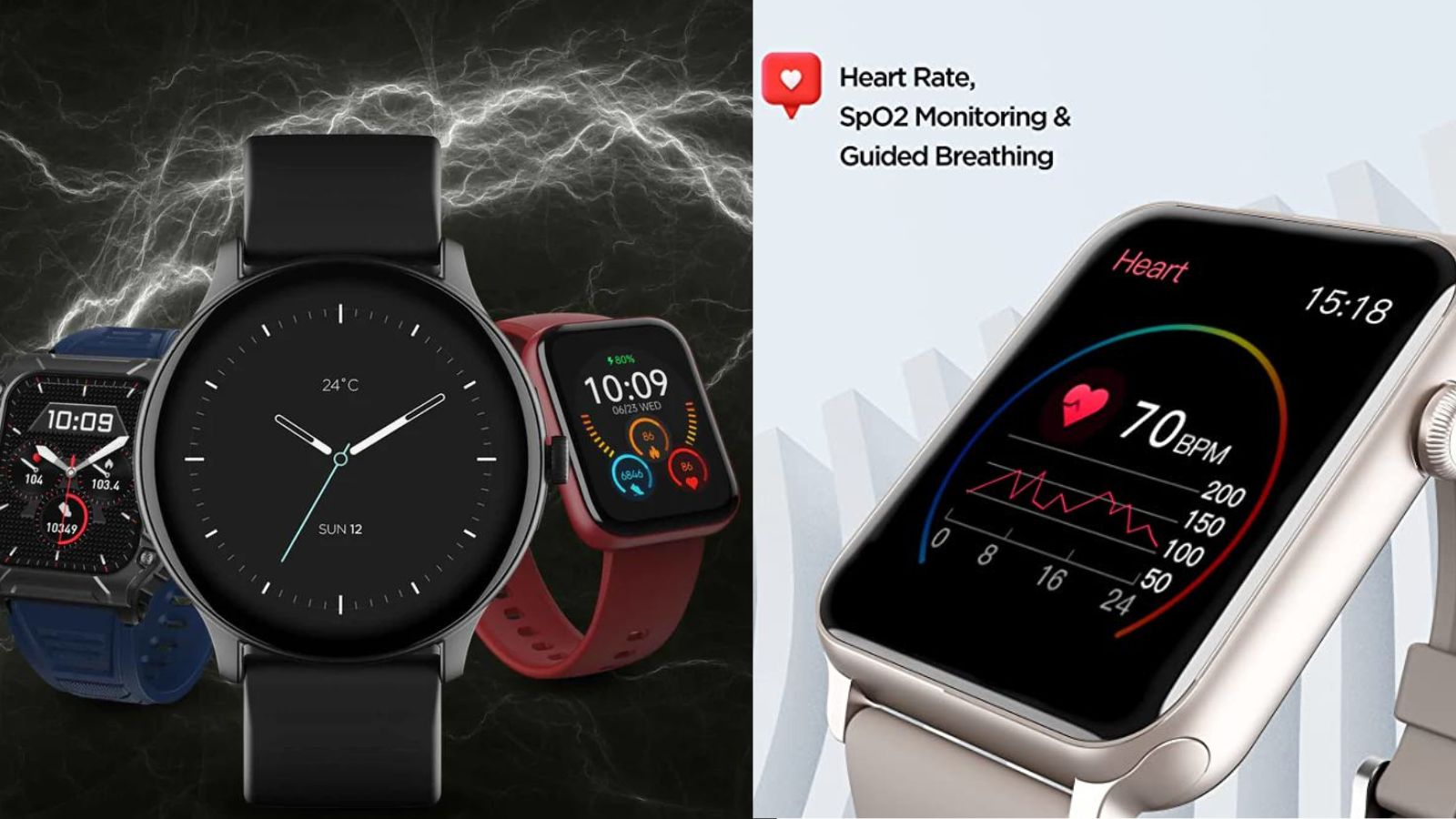
The broader wearable industry continues to evolve, pushing beyond rudimentary step counts and basic heart rate measurements. The current trajectory involves continuous, more advanced metrics. Furthermore, some brands are innovating with lighter, more minimalist designs, aiming to optimize comfort for uninterrupted, all-day health tracking. This signifies a commitment to user-centric design and functionality.