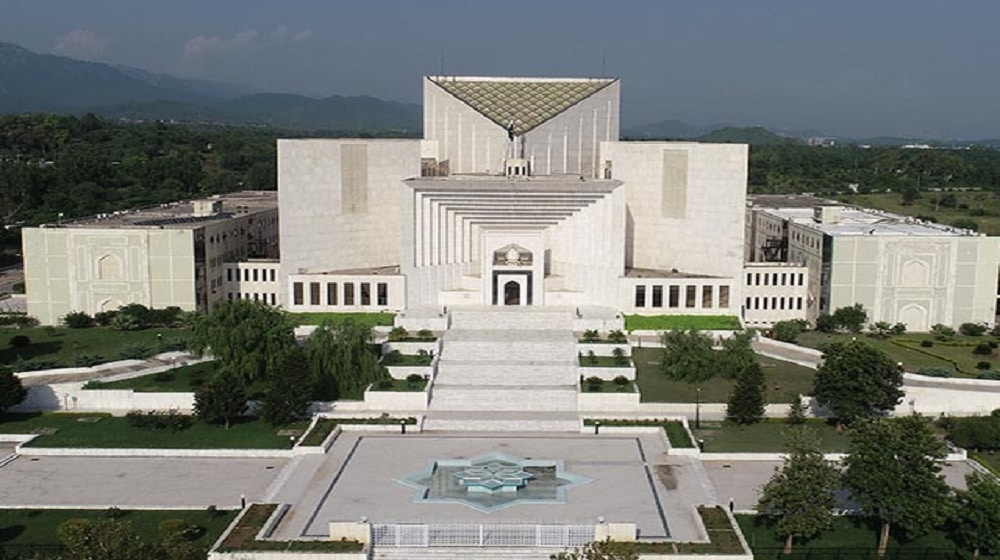
A pivotal moment in Pakistan’s judicial evolution is underway as the National Commission on the Status of Women (NCSW) strategically urges the Supreme Court to reaffirm established legal principles for Protecting Khula Rights. This crucial intervention seeks to ensure that marital dissolution frameworks remain consistent with both constitutional guarantees and Islamic legal traditions. Consequently, this initiative aims to solidify an accessible, dignified process for women seeking to end a marriage when essential elements of consent and willingness no longer exist.
The Translation: Deconstructing Khula’s Legal Architecture
Currently, the Supreme Court is meticulously examining the legal parameters for granting a decree of khula. To ensure a calibrated understanding, the court has requested assistance from the Council of Islamic Ideology and various legal experts. This structural review clarifies complex questions related to Islamic jurisprudence and family law. Importantly, the NCSW emphasizes that no adverse ruling has been made; therefore, existing jurisprudence on khula should be upheld. This confirms the firmly established right of a Muslim woman to seek marital dissolution through khula in Pakistani law.
Furthermore, the NCSW cited the landmark case of Khurshid Bibi vs Baboo Mohammad Amin. In this significant ruling, the Supreme Court determined that a court may grant dissolution if spouses cannot live within the limits prescribed by Islam. This ruling recognized khula as an independent mechanism of justice. It is not merely a remedy confined to proving physical cruelty; rather, it offers a broader path to resolution.
Empowering Dignified Exit: The Marital Contract Perspective
NCSW Chairperson Ume Laila Azhar articulated that Islamic law defines marriage as a civil contract. This contract is fundamentally based on mutual consent, inherent dignity, and a shared willingness to maintain the relationship. When these critical elements erode, the legal framework must provide a dignified and accessible exit. Khula, therefore, precisely exists to prevent prolonged harm, address incompatibility, and resolve the irretrievable breakdown of a marriage. This proactive mechanism ensures a more efficient and humane resolution.
The Socio-Economic Impact: Recalibrating Daily Life for Pakistanis
This judicial focus on Protecting Khula Rights directly impacts the daily lives of Pakistani citizens, particularly women and households across both urban and rural settings. For students and professionals, clarity in marital dissolution laws provides a baseline for personal and career planning, mitigating the uncertainties often associated with complex legal processes. For households, especially those in rural areas where access to legal counsel might be limited, a streamlined and reaffirmed khula process ensures substantive justice without imposing unrealistic evidentiary burdens. This structural clarity means women can access judicial remedies more equitably, fostering greater independence and stability.

Specifically, the commission highlighted that domestic harm often occurs in private settings, frequently without external witnesses. Family courts, consequently, possess the inherent capability to assess testimony and evidence. They must not impose unrealistic evidentiary requirements on women seeking relief. The NCSW firmly stresses that courts must ensure procedural formalities do not inadvertently prevent substantive justice. This is paramount when a woman clearly expresses her unwillingness to continue the marriage. This strategic emphasis ensures the judicial system operates with precision and fairness.
International Alignment and Constitutional Guarantees
Moreover, constitutional protections under Articles 4, 9, 14, and 25 guarantee equal access to judicial remedies for women in matrimonial matters. The commission explicitly calls for family law interpretations to remain strategically aligned with Pakistan’s international commitments. This includes the Convention on the Elimination of All Forms of Discrimination Against Women (CEDAW). Such alignment reinforces Pakistan’s commitment to global human rights standards and ensures a robust legal framework.
The “Forward Path”: A Momentum Shift for Judicial Efficiency
This development undeniably represents a Momentum Shift for Pakistan’s judicial efficiency and social justice framework. The NCSW’s proactive engagement in Protecting Khula Rights demonstrates a strategic intent to refine and strengthen existing legal mechanisms rather than merely maintaining the status quo. By advocating for an accessible, dignified, and constitutionally aligned khula process, the commission acts as a catalyst for systemic improvement. This move is poised to enhance women’s access to justice, thereby fostering a more equitable and efficient legal system for marital dissolution in Pakistan.