
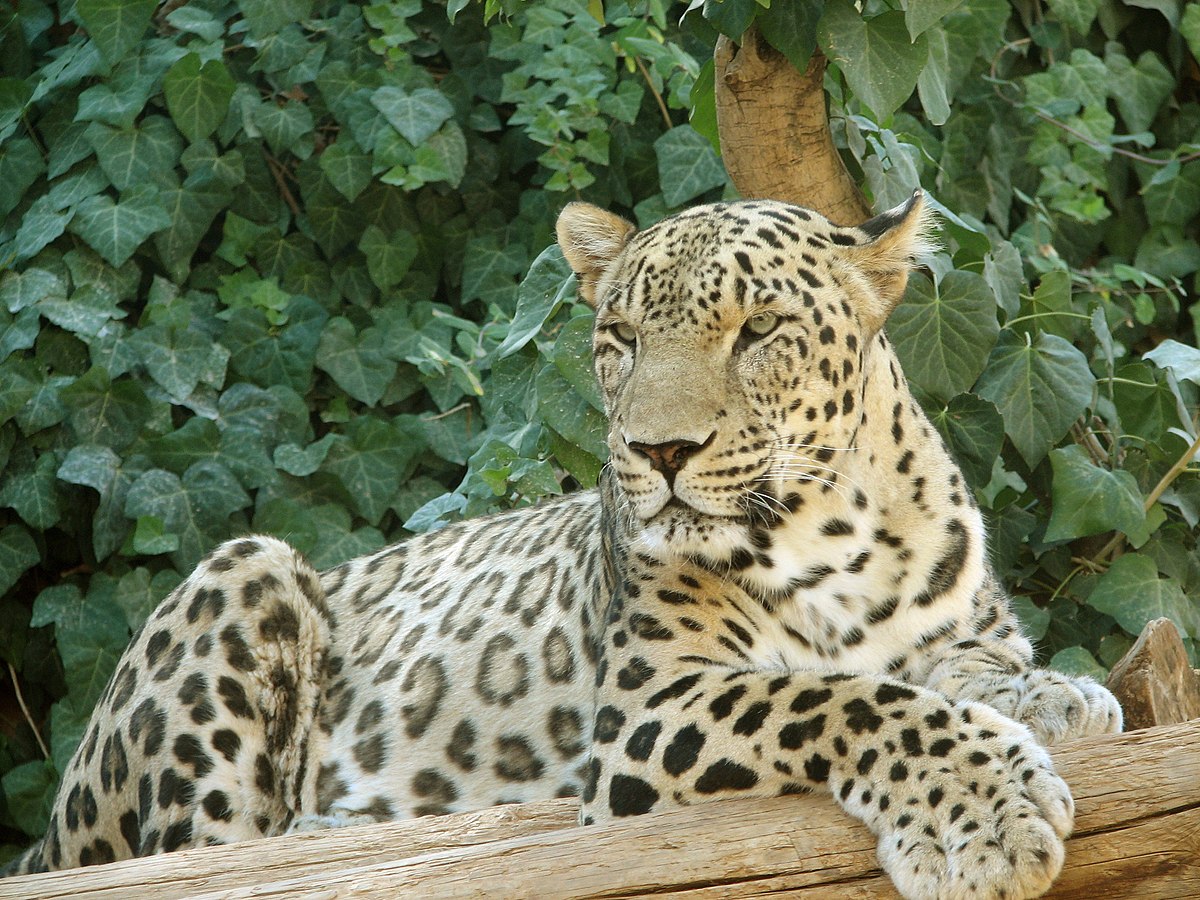
A significant leopard sighting Islamabad near the National University of Sciences and Technology (NUST) has prompted immediate action from the Islamabad Wildlife Management Board (IWMB). This event, amplified by viral CCTV footage, underscores the critical interface between urban expansion and natural habitats. Consequently, authorities have initiated comprehensive safety protocols and monitoring operations to ensure the well-being of both the community and the animal, reflecting a proactive approach to wildlife management in densely populated zones.
The Translation: Calibrated Response to Urban Wildlife Encounters
The recent leopard sighting near NUST signifies a recurring challenge in regions bordering natural reserves. The IWMB’s rapid deployment of teams on March 25, followed by the strategic installation of trap cages, exemplifies a precision-engineered response to such incidents. Furthermore, ongoing coordination with university administration establishes a robust safety perimeter. This structured approach aims to mitigate immediate risks, allowing for the safe capture and relocation of the animal, thereby preserving ecological balance while safeguarding human populations. It is a systematic baseline for urban-wildlife conflict resolution.
Socio-Economic Impact: Navigating the Urban-Wilderness Interface
For Pakistani citizens, particularly students and professionals in Islamabad, these wildlife movements necessitate heightened awareness and calibrated safety measures. The presence of a leopard near a major educational institution like NUST directly impacts daily routines, requiring individuals to adjust outdoor movement patterns. In contrast, families in urban and rural areas bordering Margalla Hills must grasp the inherent risks and reporting protocols. This situation serves as a catalyst for community education on coexistence with wildlife, fostering a collective responsibility for environmental stewardship and personal safety protocols in a rapidly expanding urban landscape.
The Forward Path: A Stabilization Move for Coexistence
This development represents a Stabilization Move rather than a radical Momentum Shift. While the increasing frequency of leopard sighting Islamabad events, including a similar incident near International Islamic University Islamabad, highlights growing ecological pressures, the coordinated response demonstrates an established framework for management. The consistent tracking in sectors H-10 and H-12, combined with expert insights into leopard movement patterns through green belts and drainage channels, indicates a strategic understanding of the challenge. Consequently, continuous vigilance and adherence to established protocols are paramount to maintain urban-wildlife equilibrium.
A leopard was spotted in the premises of National University of Science and Technology, Islamabad. Students and staff advised to take precautionary measures and avoid any contact with wildlife.#LeopardSighting #NUSTIslamabad #WildlifeAlert #PakistanTV #PakistanTVglobal pic.twitter.com/okC0lVe83p
— Pakistan TV (@PakTVGlobal) March 26, 2026
Ensuring Public Safety and Wildlife Conservation
Authorities have urged all residents to remain acutely cautious. It is critical to avoid unnecessary outdoor movement, especially during nocturnal hours, and to promptly report any animal sighting to the relevant wildlife authorities. These measures are fundamental to the ongoing efforts to safely secure the animal and uphold community safety within the federal capital.








