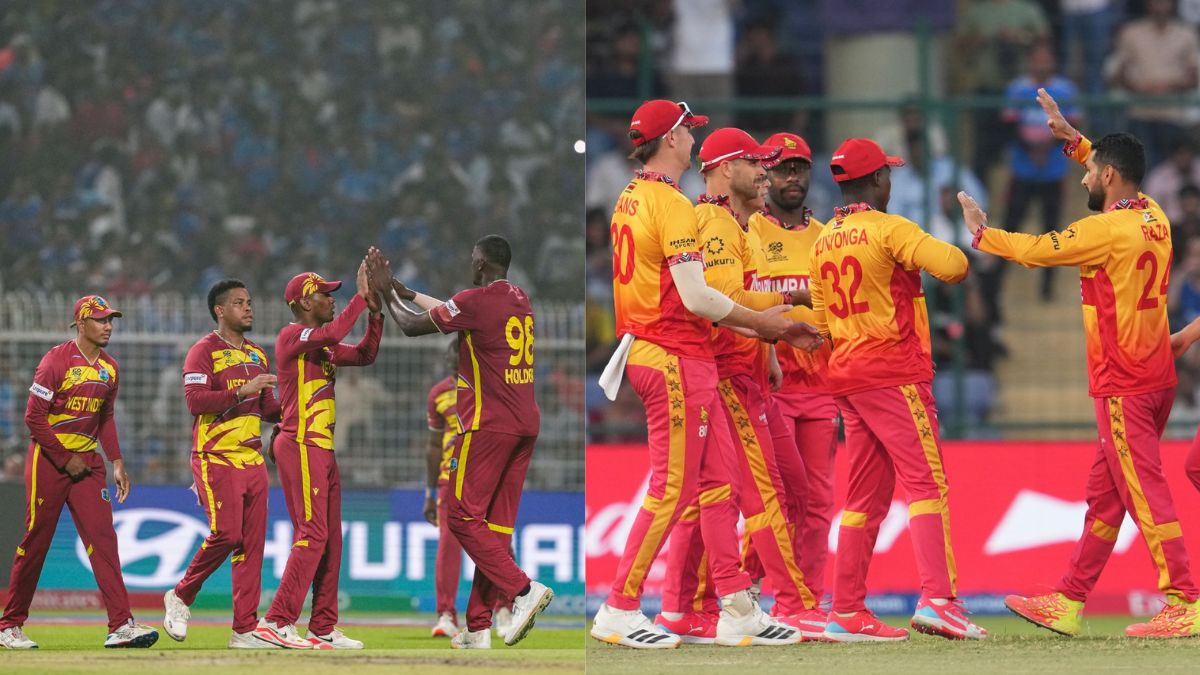
The West Indies cricket team finds itself West Indies stranded in India following their T20 World Cup exit, a situation compounded by international airspace restrictions. Head coach Daren Sammy articulated significant frustration, noting the squad faced multi-day travel delays stemming from heightened security concerns in the Gulf region. This unforeseen logistical challenge critically underscores the pervasive impact of geopolitical events on global sports and strategic travel arrangements.
Operational Interruption: Calibrating Global Travel Amidst Geopolitical Shifts
The Translation (Clear Context): The core issue preventing the West Indies team’s return home stems from direct airspace restrictions. These measures are a calculated response to escalating security threats, specifically linked to recent military actions in the Gulf region. Consequently, airlines have recalibrated numerous international flight routes, directly impacting scheduled services for safety protocols. This structural adjustment, while disruptive, prioritizes passenger security above all, transforming routine travel into a complex logistical puzzle.
West Indies head coach Daren Sammy explicitly voiced his frustration on X (formerly Twitter) regarding the team’s prolonged stay. He expressed a fundamental desire to return home, followed by a demand for concrete updates after five days of uncertainty. The team’s inability to depart India for over four days illustrates the systemic disruptions across Gulf region flight operations.
The Catalyst: T20 World Cup Exit and Subsequent Adjustments
The Caribbean side had completed its ICC Men’s T20 World Cup campaign in India, concluding after a loss to the India national cricket team in the Super Eight stage. Following this exit, established travel plans required immediate recalibration as airlines adjusted routes due to intensified security concerns within the Gulf region’s military landscape. This sequence of events directly led to the West Indies stranded scenario.

Socio-Economic Impact: Beyond the Pitch – Implications for Regional Mobility
The Socio-Economic Impact: This incident, while focused on a sports team, serves as a critical indicator for all Pakistani citizens regarding regional travel stability. When international airspace experiences such profound disruptions, it translates into tangible impacts on professionals, students, and families planning global journeys. Rural and urban households alike depend on predictable air travel for trade, education, and familial connections. Consequently, such events necessitate a re-evaluation of travel contingency plans for anyone navigating the broader Middle East and South Asia corridors, highlighting the direct link between geopolitical stability and daily life.
Strategic Response: Cricket West Indies’ Precision Protocols
Cricket West Indies (CWI) officially confirmed the team’s departure postponement, attributing it to the critical airspace restrictions in the Gulf region. A formal statement from the board emphasized that these restrictions are a direct consequence of security threats linked to active military operations. Furthermore, CWI underscored its primary commitment to the safety and well-being of all players, coaching staff, and officials, treating this as a paramount operational imperative.
Consequently, CWI is now strategically collaborating with the International Cricket Council (ICC), relevant governmental authorities, and airline partners. The objective is to precisely secure the earliest possible safe travel arrangements for the entire squad and its support staff. This structured, multi-agency coordination exemplifies a calibrated approach to complex international logistical challenges.
The Forward Path: A Stabilization Move for Enhanced Operational Resilience
The “Forward Path” (Opinion): This development represents a Stabilization Move rather than a Momentum Shift. It underscores the perpetual need for robust, adaptive contingency planning in global logistics, particularly within the unpredictable landscape of international travel and geopolitical flux. While disruptive, the transparent communication from Cricket West Indies and the collaborative efforts to secure safe passage demonstrate a disciplined, maintenance-oriented approach to systemic challenges. This incident serves as a critical case study for refining future operational resilience protocols.