Optimizing for Unforeseen Variables: The PSL 11 Match Weather Dynamics
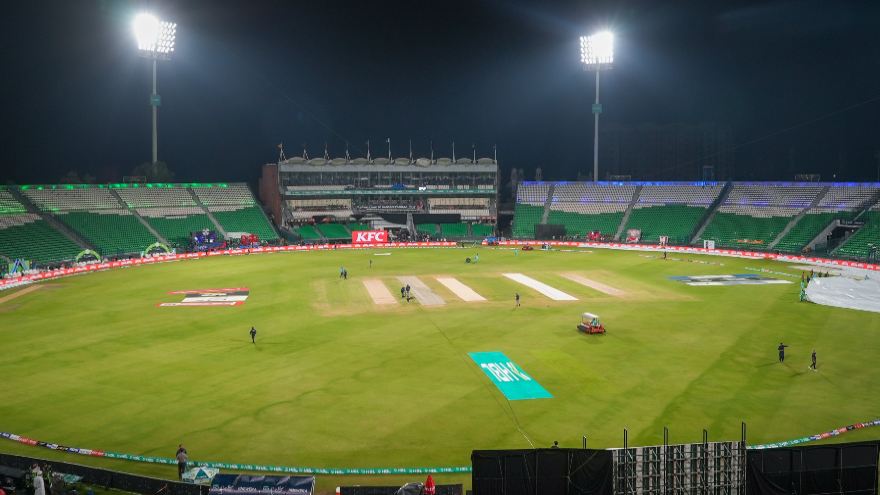
Predictive meteorological analysis indicates potential disruptions for the impending PSL 11 Match Weather, specifically impacting the critical clash between Lahore Qalandars and Multan Sultans at Gaddafi Stadium. Calibrated weather data reveals a high probability of rain and thunderstorm activity, posing significant operational challenges. This immediate forecast necessitates proactive measures to safeguard pitch integrity and optimize match scheduling, directly affecting spectator experience and competitive dynamics.
The Translation: Decoding Atmospheric Conditions for Strategic Planning
Current atmospheric conditions in Lahore present a complex scenario. Light drizzle has already been reported, prompting ground staff to implement rapid protective measures for the main pitch and outfield. At 6:00 PM local time, the region is experiencing thunderstorms, with temperatures at 19°C, feeling approximately 15°C. Winds are registering from the south-west at 11 km/h, with gusts reaching 26 km/h. Furthermore, ambient humidity stands at 85%, while indoor levels are 78%, contributing to the oppressive conditions.
The city has systematically recorded 12.1 mm of rainfall. Cloud cover is presently at 84%, critically reducing visibility to 1.6 km. These combined factors delineate a challenging environment for both player performance and event management logistics. Consequently, the evening outlook suggests persistently gloomy conditions, exacerbated by unhealthy air quality and a low cloud ceiling of 600 meters, thus complicating all operational parameters.
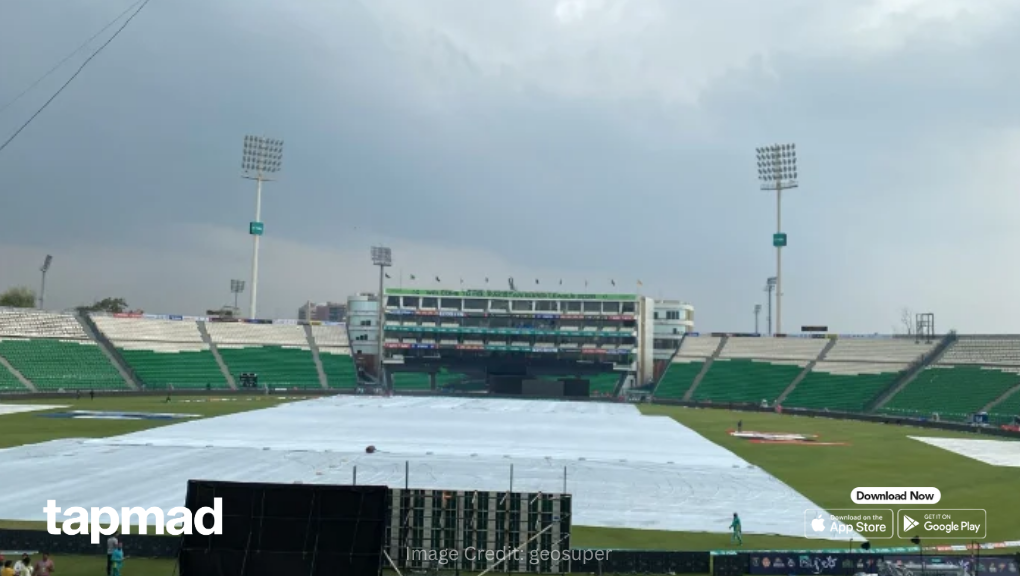
A slight amelioration is projected by 7:00 PM; however, thunderstorms are still anticipated within the vicinity. The temperature is forecast to modulate to 18°C, with a perceived temperature of 16°C. Wind patterns are expected to strategically shift, originating from the east at 9 km/h, with peak gusts of 24 km/h. Concurrently, humidity levels are projected to decrease to 70%, with indoor readings potentially falling to 62%, offering marginal improvements in comfort metrics. Rainfall intensity is also expected to sharply decline to 1.8 mm.
In contrast, cloud cover may incrementally increase to 87%, maintaining visibility at a constrained 1.6 km. Air quality is regrettably anticipated to remain unhealthy. However, a structural improvement in the cloud ceiling to 1,200 meters indicates a reduction in low-lying cloud density, potentially offering minor relief for overhead operations.
The Socio-Economic Impact: Calibrating Daily Life Against Sporting Events
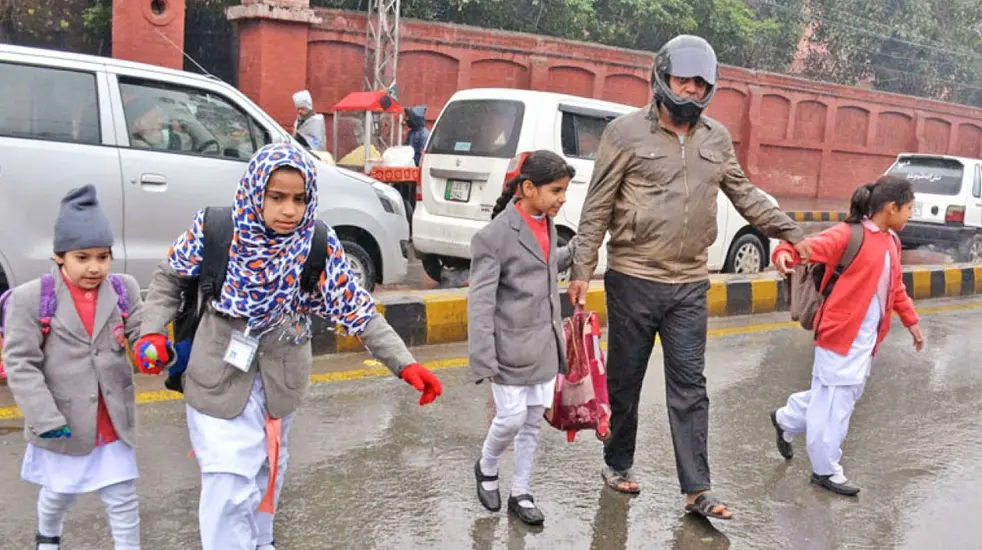
The fluctuating PSL 11 Match Weather has tangible implications for the Pakistani populace. For students and professionals in urban centers like Lahore, unexpected rain can disrupt commute schedules, while poor visibility poses direct safety concerns for drivers. Local businesses, particularly those reliant on event-day foot traffic—such as food vendors, merchandise stalls, and transport services—face significant revenue uncertainty due to potential match delays or cancellations. Furthermore, households planning family outings to the stadium must recalibrate their evening arrangements, highlighting the interwoven nature of national sporting events and community-level economic stability.

The Forward Path: A Stabilization Move for Operational Resilience
This weather event represents a Stabilization Move rather than a Momentum Shift. It underscores the perpetual requirement for robust contingency planning in large-scale sporting events. Pakistan’s sporting infrastructure demonstrates commendable resilience in deploying immediate protective measures, such as pitch covers. However, future strategic investments could focus on advanced meteorological integration for real-time decision-making and exploring innovative stadium infrastructure solutions to mitigate weather-related disruptions. This ensures the continuous, uninterrupted advancement of national sports culture despite environmental variables.
Performance Baseline Analysis: The Strategic Rivalry
Beyond the atmospheric variables, the Lahore Qalandars vs Multan Sultans fixture carries significant intrinsic weight, given their meticulously documented historical rivalry. The two teams have engaged in 21 league encounters. Multan Sultans maintain a slight numerical advantage with 11 victories, while Lahore Qalandars have secured 10 wins. This precise statistical balance amplifies the competitive stakes of every encounter.

Multan Sultans, currently under the strategic leadership of Ashton Turner, are demonstrating formidable form, occupying the second position on the PSL 11 points table. Their operational efficiency is evidenced by two consecutive victories, accumulating four points, and maintaining a robust net run-rate of 0.868. Conversely, Lahore Qalandars, led by Shaheen Afridi, are positioned fifth. Their performance baseline includes one win and one loss from two matches, yielding two points and an impressive net run-rate of 1.567. These metrics establish the structural foundation for a highly competitive match, contingent on weather clearance.