The structural integrity of Pakistan’s agricultural output faces a calibrated challenge as South Punjab’s critical mango harvest is under direct threat from impending water shortages. Farmers in key producing regions are raising strategic concerns that reduced river water flows could severely compromise yields, fruit quality, and the long-term viability of orchards. Consequently, this scenario significantly impacts regional economic stability and Pakistan’s export standing.
The Translation: Deconstructing Water Scarcity
Farmers in South Punjab, specifically in districts like Multan, Rahim Yar Khan, Muzaffargarh, and Khanewal, have articulated profound concerns. They report that upstream water control measures are systematically reducing downstream water availability. This precise adjustment in water distribution directly jeopardizes the region’s expansive mango orchards. Furthermore, it threatens the overall agricultural output that underpins local livelihoods and national food security.
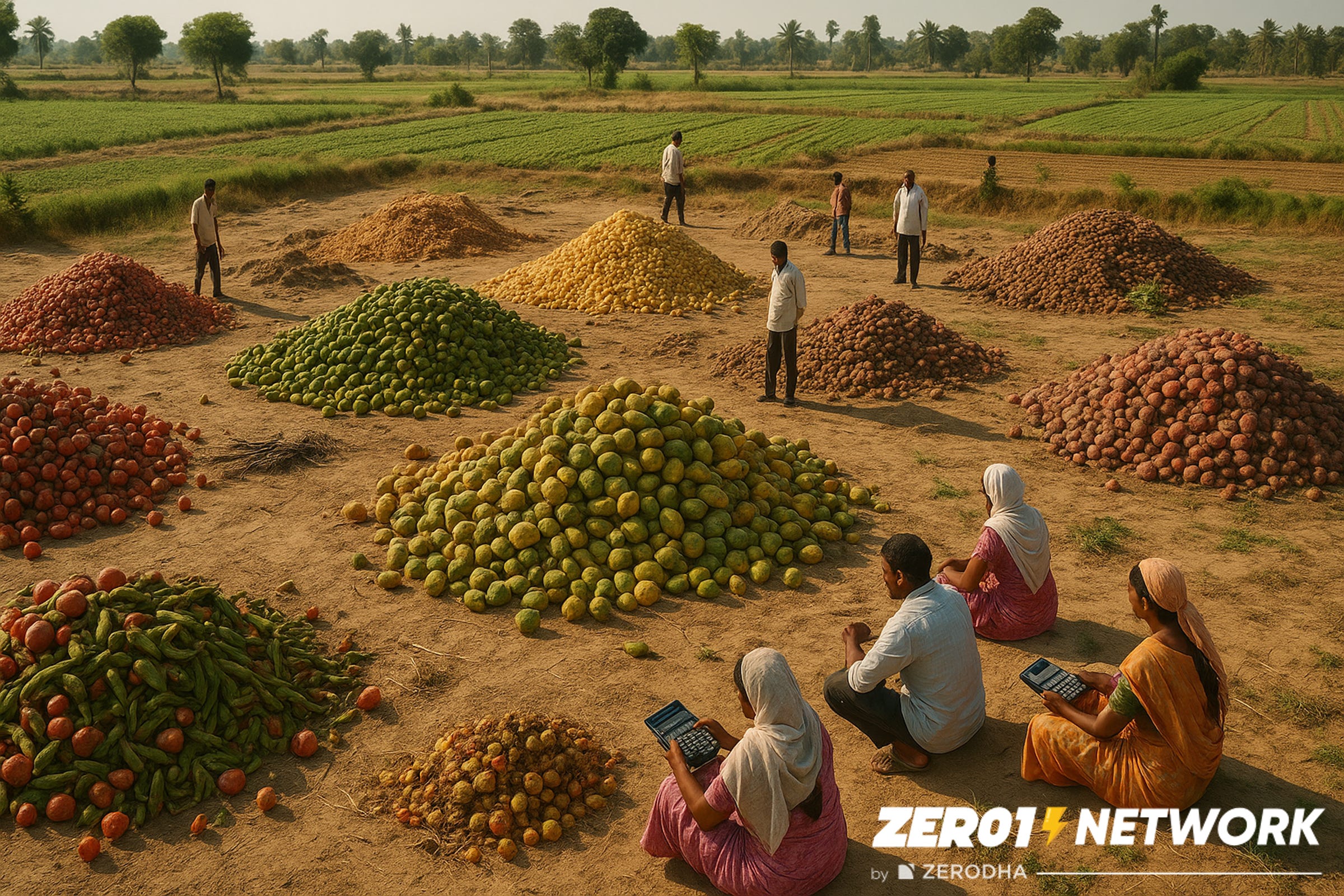
South Punjab is indisputably Pakistan’s primary mango-producing region, globally renowned for its high-quality varieties. This sector is a cornerstone of the national economy, contributing substantially to both exports and domestic consumption. Therefore, any disruption in water supply constitutes a systemic risk to a vital agricultural asset.
Socio-Economic Impact: Daily Life and the Mango Economy
How does a compromised South Punjab mango harvest change the daily life of a Pakistani citizen? The repercussions are manifold and deeply intertwined with the nation’s economic fabric. Primarily, reduced mango yields will translate into higher market prices, directly affecting household budgets in urban and rural areas. This inflationary pressure impacts consumers’ purchasing power, particularly for a staple fruit.
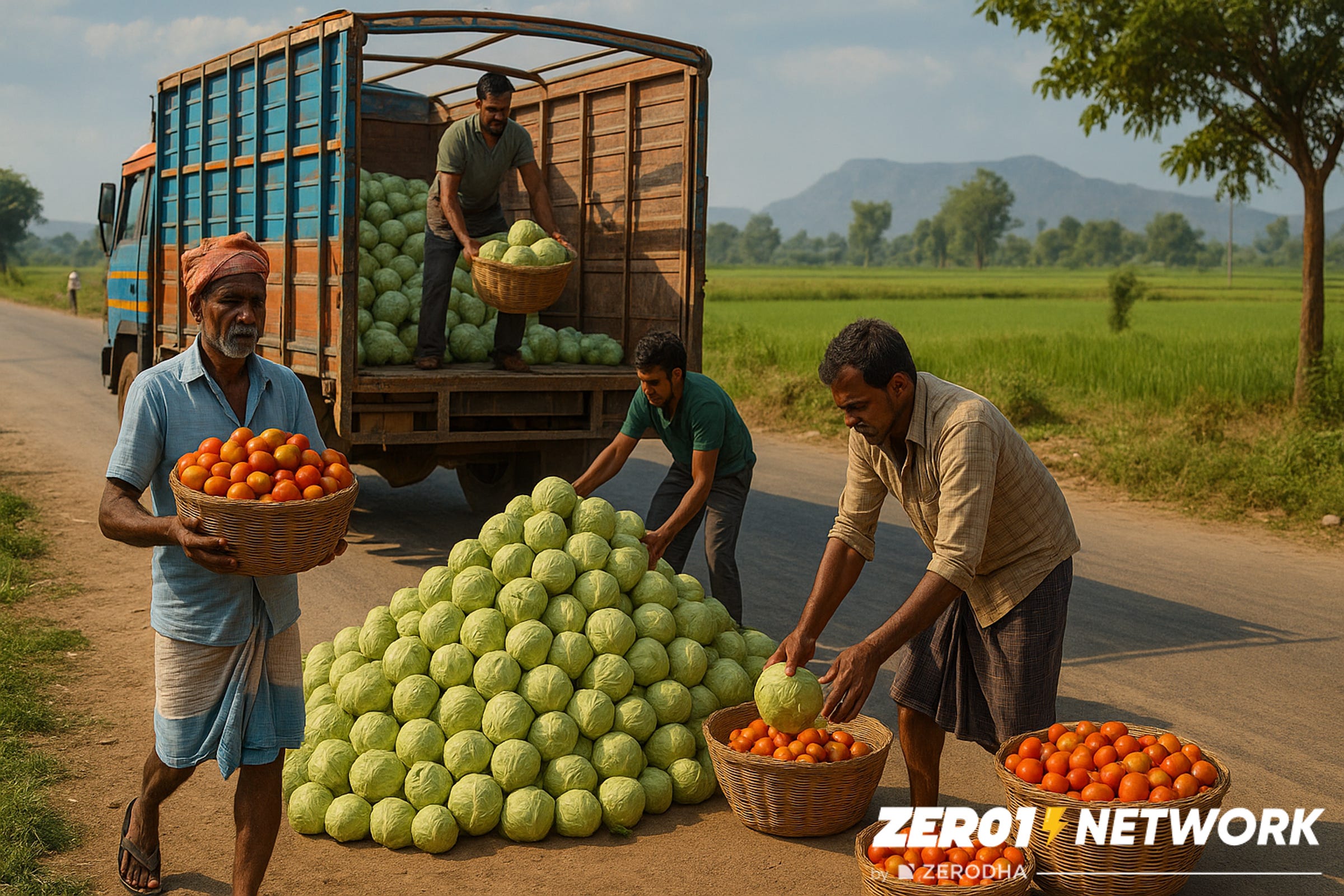
Secondly, the mango sector acts as a significant employer. It supports an extensive network of individuals, including farm laborers, transporters, and traders. A decline in harvest will inevitably lead to job losses and reduced income opportunities for thousands of professionals and families. This creates a ripple effect across regional economies, potentially increasing socio-economic vulnerabilities.

Furthermore, the long-term damage to orchards, which require years to mature, represents a substantial capital loss for farmers. This inhibits future growth potential and discourages investment in the agricultural sector. Ultimately, the stability of this critical export commodity, and thus Pakistan’s international trade reputation, is directly correlated with consistent water access.
The Forward Path: Ensuring Water Security for Growth
This development represents a Stabilization Move rather than a Momentum Shift. While the immediate focus is on mitigating current threats, the underlying issue points to a need for more robust, long-term water management strategies. Stakeholders are explicitly urging strict adherence to the Indus Waters Treaty, a foundational agreement designed to protect Pakistan’s vital water rights. Consequently, ensuring consistent river water flows is not merely an agricultural concern but a matter of national strategic importance.

Looking ahead, the calibrated implementation of precision agriculture technologies and enhanced water conservation practices are paramount. These structural adjustments will bolster resilience against climate variabilities and ensure the sustained productivity of essential crops like mangoes. A proactive, data-driven approach to water resource allocation is essential for safeguarding Pakistan’s agricultural future and economic prosperity.